
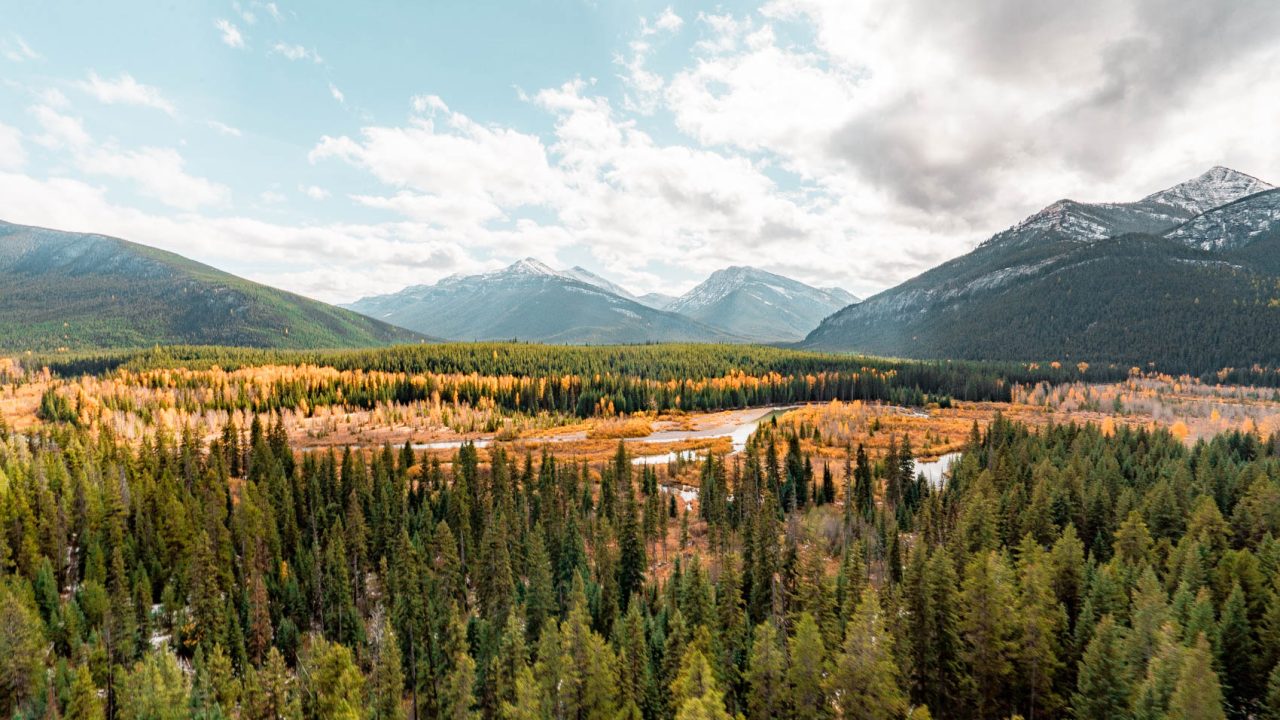
Dozens of documented ghost towns and abandoned settlements are scattered across Montana’s landscape, according to historians who track the American West’s lost communities. Two of them are generating unusual national attention in 2026 — one because a local woman just paid $2.25 million for it, and another because the federal government has spent years trying to give it away and still cannot find anyone willing to stay.
The $2.25 Million Sale That Put Pray, Montana on the Map
Pray is an unincorporated community in Park County, Montana, situated in the Paradise Valley along the Yellowstone River, roughly 35 miles north of Yellowstone National Park’s northern entrance. It has never been a major population center — but it is now, perhaps, one of the most discussed small communities in the state after a reported transaction that transferred ownership of the entire town for $2.25 million.
According to a widely circulated video report on Facebook, a local Montana woman purchased Pray outright in what observers described as an unusual private real estate transaction. The sale reportedly included structures and land within the community’s core boundaries. The buyer’s development or preservation plans had not been publicly disclosed at the time of publication.
Park County has seen land values climb throughout the early 2020s as remote-work migration pushed buyers into the Greater Yellowstone region. Neighboring Livingston, the county seat with a population of approximately 7,800, experienced significant real estate appreciation during this period, making Pray’s reported sale price consistent with regional market trends observed by local real estate professionals.
Pray sits near Chico Hot Springs Resort, a well-established destination property that draws regional visitors year-round, and has direct access via U.S. Route 89 — the paved highway corridor that connects Livingston to Gardiner at Yellowstone’s gate. For buyers looking at development potential, those two facts alone carry considerable weight.
Eighty Miles Away, a Ghost Town Has Been Waiting for Years
Garnet, Montana tells a sharply different story. Located approximately 26 miles east of Missoula in Granite County, Garnet is among the best-preserved ghost towns in the western United States. The Bureau of Land Management has administered the site jointly with the Garnet Preservation Association for decades, maintaining roughly 30 historic structures from the town’s late-19th and early-20th century gold mining era.
The federal government has actively sought caretakers — individuals or couples willing to live on-site during winter months — to provide security and preservation oversight. As documented in a widely-viewed YouTube report on the town, the arrangement has attracted curiosity but consistently struggles to retain long-term occupants. The nearest grocery store from Garnet is approximately 26 miles away in Missoula — reachable only by snowmobile during peak winter closure.
At its peak during the 1898 gold rush, Garnet supported a population of roughly 1,000 residents and contained hotels, stores, and a school. A fire in 1912 destroyed much of the original town. A second wave of mining activity in the 1930s partially rebuilt it before the town was finally abandoned around 1942. What stands today is largely what was left behind.
Why the Free Option Stays Empty
The contrast between Pray’s $2.25 million sale and Garnet’s persistent vacancy illustrates a counterintuitive truth about ghost town real estate: isolation alone is not the primary deterrent for buyers. Location relative to infrastructure, amenities, and economic activity is.
Pray benefits from year-round highway access, proximity to a nationally recognized resort property, and the sustained tourism engine of Yellowstone Country. Garnet sits at the end of a deteriorating dirt road with no utilities, no paved access, and no commercial activity for miles in any direction. The economic logic separating the two is not mysterious — it is infrastructure.
The economic logic of buying or occupying a ghost town, regional observers note, depends almost entirely on what surrounds it. A community with hot spring access, paved highway frontage, and national park tourism represents a development or hospitality opportunity. A preserved mining relic at the end of a mountain dirt road represents a stewardship obligation — and a significant personal sacrifice.
Montana’s Financial Landscape and the Appeal to Outside Buyers
The reported sale of Pray is not without precedent in the American West. Across states including Colorado, Nevada, and California, entire unincorporated community properties have changed hands in private transactions ranging from several hundred thousand to several million dollars over the past decade.
Montana’s LLC registration structure has received particular attention in financial media. A widely discussed segment from The Iced Coffee Hour examined how the state’s vehicle and business registration environment draws significant out-of-state interest, particularly from buyers looking to reduce tax exposure through Montana-registered entities. This dynamic has contributed to elevated land and property interest in rural Montana counties over recent years.
Whether the buyer of Pray intends to develop the property, restore it for private use, or hold it as land investment remains publicly unknown. No statement from the buyer had been issued at the time of this article’s publication.
What Happens Next in Both Communities
For Garnet, the BLM’s caretaker program continues to accept applications through the agency’s Missoula Field Office. The winter caretaker posting typically runs from November through April and requires occupants to be fully self-sufficient — bringing their own food, managing their own emergencies, and accepting that the nearest help is a long snowmobile ride away.
For Pray and the broader Paradise Valley corridor, the future rests with private ownership. The region has attracted conservation buyers, hospitality developers, and high-net-worth second-home purchasers throughout the 2020s, and local residents and Park County officials will be watching closely to see how the reported new owner ultimately uses the property.
What the two towns together make plain is that Montana’s abandoned and near-abandoned communities occupy a strange position in the American land market — valued not primarily by what they are, but by what surrounds them, and by who is willing to bear the cost of what they have always been.
Frequently Asked Questions

You Might Also Like
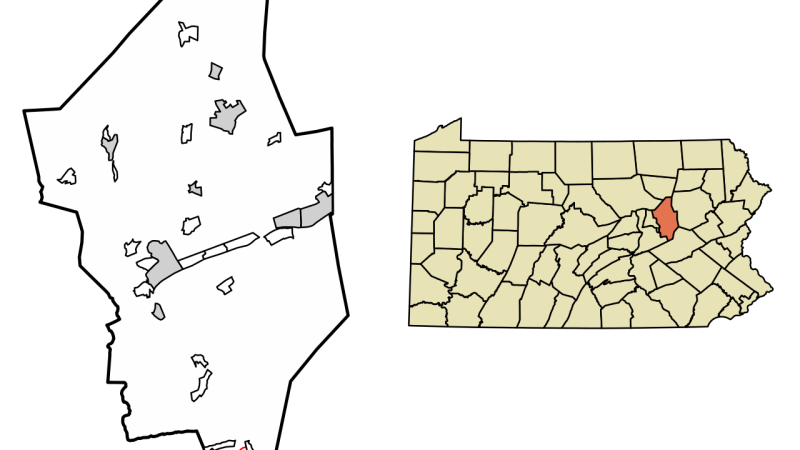
A Pennsylvania Town Has Sat Above a Coal Fire for 63 Years — and Only 5 Residents Refused to Leave
Centralia, PA has had a coal mine fire burning underground since May 1962. In 2026,…
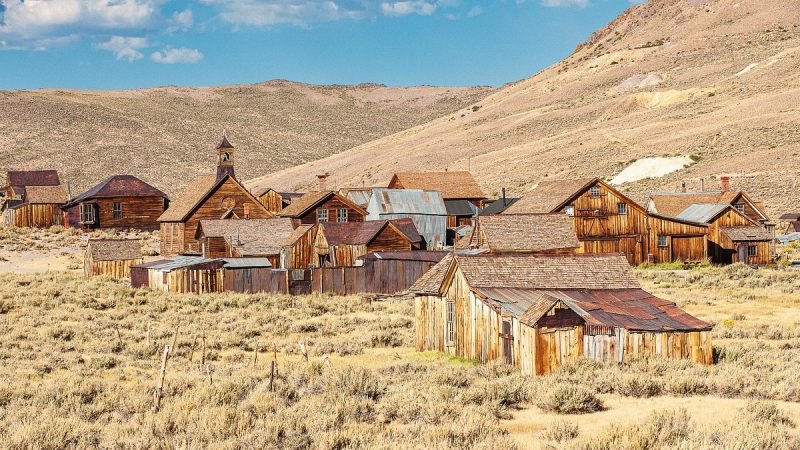
3,800+ Ghost Towns Worth Your Next American Road Trip
America has 3,800+ ghost towns — open-air museums with no admission line. Here's which forgotten…
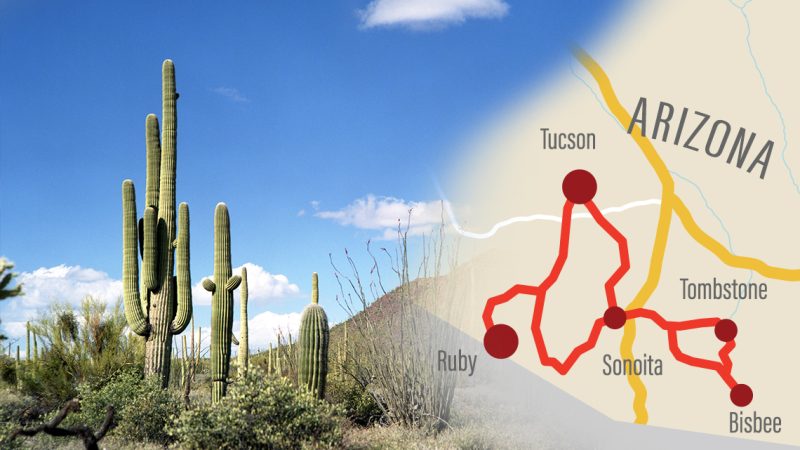
Bisbee, Arizona: The Copper Ghost Town 90 Miles From Tucson Nobody Talks About
Bisbee, Arizona — a copper ghost town 92 miles from Tucson — offers Victorian architecture,…
Leave a Reply