
Some movies don’t just tell a story — they put you through one. The kind of film that leaves your hands gripping the armrests, your heart rate elevated, and your mind racing long after the credits roll. These are the movies that demand something from you as a viewer, and the ones that tend to stay with you for years.
The topic of the most intense movies ever made is one that film lovers debate passionately. Intensity in cinema is a specific quality — distinct from being scary, sad, or action-packed, though it can include all of those things. The most intense films tend to create an almost unbearable sense of pressure, dread, or emotional stakes that makes looking away feel impossible.
Since
What Makes a Movie Truly Intense?
Intensity on screen is harder to define than you might think. A film can be loud without being intense. It can be violent without being intense. True cinematic intensity tends to come from sustained tension — a director keeping the audience in a state of heightened anxiety or emotional engagement for extended stretches of time.
Think of the difference between a jump scare and a slow-burn sequence that makes your skin crawl for twenty minutes straight. The latter is intensity. It’s craft applied with purpose, and the films that do it best tend to become benchmarks of the form.
Directors like Alfred Hitchcock, William Friedkin, and Darren Aronofsky have built careers around this quality. Their films don’t just entertain — they put audiences through an experience that can feel physically uncomfortable in the best possible way.
The Most Intense Movies Ever Made — What You Need to Know
When critics and film enthusiasts rank the most intense movies ever made, certain titles appear again and again. These are films recognized across decades for their ability to generate sustained, almost unbearable tension or emotional devastation.
- Requiem for a Dream (2000) — Darren Aronofsky’s relentless portrait of addiction is widely considered one of the most viscerally overwhelming films ever made. Its rapid editing style and escalating tragedy make it almost physically difficult to watch.
- 12 Years a Slave (2013) — Steve McQueen’s historical drama about Solomon Northup’s enslavement is brutally intense in its unflinching portrayal of suffering and injustice.
- Oldboy (2003) — Park Chan-wook’s South Korean thriller builds to one of the most disturbing and emotionally devastating reveals in film history.
- Schindler’s List (1993) — Steven Spielberg’s Holocaust drama carries an emotional weight that makes it one of the most difficult and important films ever produced.
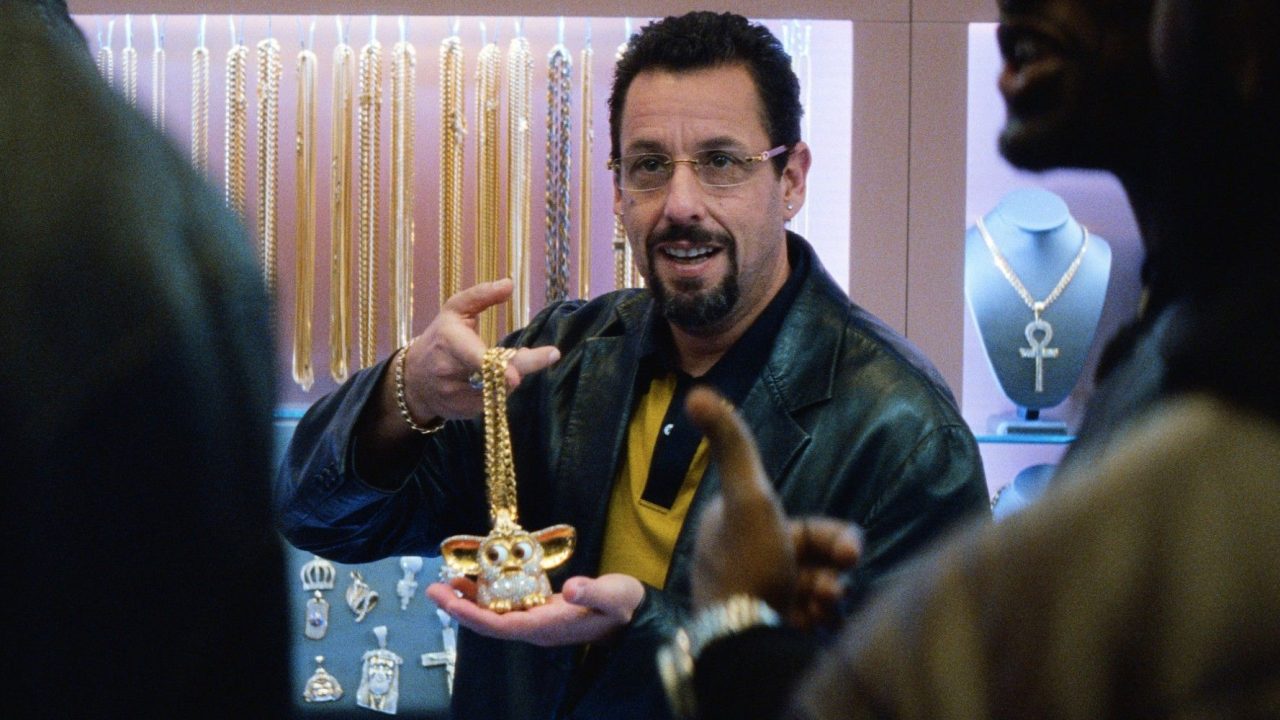
- Uncut Gems (2019) — The Safdie Brothers engineered a film specifically designed to induce anxiety, following a compulsive gambler played by Adam Sandler through a spiral of mounting chaos.
- The Shining (1980) — Stanley Kubrick’s psychological horror film creates an atmosphere of dread that never fully releases its grip on the viewer from the opening frames to the last.
- Prisoners (2013) — Denis Villeneuve’s thriller about a missing child investigation sustains an almost unbearable sense of urgency across its entire two-and-a-half-hour runtime.
- Come and See (1985) — Elem Klimov’s Soviet war film about Nazi atrocities in Belarus is considered by many historians and critics to be among the most harrowing films ever committed to celluloid.
- Hereditary (2018) — Ari Aster’s debut feature redefined what horror could feel like in the modern era, building grief and supernatural dread into something genuinely traumatic.
- Sicario (2015) — Another Denis Villeneuve entry, this drug cartel thriller uses sound design and pacing to create sequences of almost unbearable tension.
A Closer Look at the Films That Define Screen Intensity
| Film | Year | Director | Primary Source of Intensity |
|---|---|---|---|
| Requiem for a Dream | 2000 | Darren Aronofsky | Addiction spiral, rapid editing |
| 12 Years a Slave | 2013 | Steve McQueen | Historical brutality, emotional devastation |
| Oldboy | 2003 | Park Chan-wook | Psychological horror, shocking revelations |
| Schindler’s List | 1993 | Steven Spielberg | Holocaust subject matter, moral weight |
| Uncut Gems | 2019 | Safdie Brothers | Anxiety-inducing pacing, chaos |
| The Shining | 1980 | Stanley Kubrick | Sustained psychological dread |
| Prisoners | 2013 | Denis Villeneuve | Missing child urgency, moral ambiguity |
| Come and See | 1985 | Elem Klimov | War atrocity, sensory overwhelm |
| Hereditary | 2018 | Ari Aster | Grief, supernatural dread |
| Sicario | 2015 | Denis Villeneuve | Sound design, border violence tension |
Why These Films Hit Differently Than Most
What separates these titles from standard thrillers or horror films is intentionality. Each of these movies was crafted by directors who understood exactly how to manipulate the viewer’s nervous system — through sound, pacing, performance, and visual composition working in concert.
Uncut Gems is perhaps the clearest modern example of this. The Safdie Brothers have spoken publicly about designing the film’s overlapping dialogue and relentless forward momentum to simulate the feeling of anxiety itself. Viewers frequently describe watching it as stressful in a way that feels almost physical.
Come and See occupies a different register entirely. Rather than manufactured tension, it achieves its intensity through an almost documentary-like commitment to depicting the reality of wartime atrocity. It is widely taught in film schools as one of the most emotionally demanding works in cinema history.
Denis Villeneuve appears twice on this list for good reason. His ability to use wide landscapes, silence, and controlled pacing to build dread is arguably unmatched in contemporary Hollywood filmmaking.
What to Expect If You Watch Any of These
These are not films to put on casually. Several of them — particularly Requiem for a Dream, Come and See, and 12 Years a Slave — carry content warnings that should be taken seriously. They depict addiction, war crimes, and slavery with a level of unflinching honesty that can be genuinely distressing.
That said, the films on this list are also among the most acclaimed in cinema history. The intensity is purposeful — it exists in service of truth, empathy, or dramatic storytelling, not shock value alone. Watching them, even when difficult, tends to be a rewarding and meaningful experience for those prepared for what they deliver.
If you’re building a watchlist of genuinely challenging cinema, any of these titles will test your limits in ways that most mainstream films simply won’t.
Frequently Asked Questions
What makes a movie “intense” rather than just scary or violent?
Intensity in film refers to sustained emotional or psychological pressure — a quality distinct from jump scares or action sequences. The most intense films tend to hold viewers in a state of dread, urgency, or emotional overwhelm for extended periods.
Is Requiem for a Dream really that hard to watch?
It is widely regarded as one of the most difficult viewing experiences in mainstream cinema, particularly due to its depictions of addiction and its rapid, disorienting editing style. Many viewers report watching it only once.
Why does Denis Villeneuve appear twice on this list?
Villeneuve is considered one of the most skilled directors of tension in contemporary cinema, with both Prisoners and Sicario recognized for their masterful use of pacing, sound, and atmosphere to generate sustained dread.
Is Come and See appropriate for all viewers?
No. Come and See depicts Nazi atrocities during World War II with extreme realism and is considered one of the most harrowing war films ever made. It is not recommended for sensitive viewers.
Are any of these films suitable for younger audiences?
Most films on this list carry mature content ratings and deal with themes including addiction, war, slavery, and psychological horror. They are generally intended for adult audiences only.
Where can I watch these films?
Availability varies by platform and region, but many of these titles are available on major streaming services including Netflix, Amazon Prime Video, and Max, or can be rented through digital storefronts. Checking your preferred platform directly is the most reliable approach.



Leave a Reply