
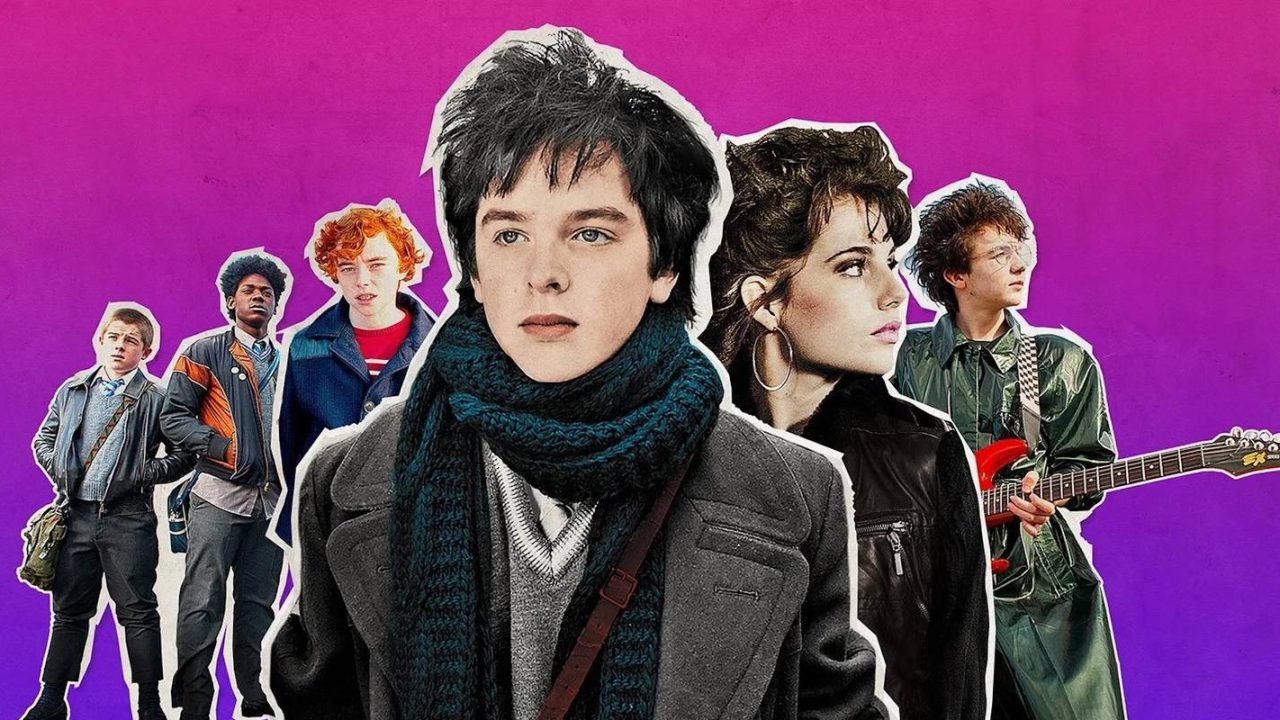
Some of the most joyful, inventive, and emotionally resonant musical films ever made are sitting largely unwatched — not because they failed, but because the cultural conversation simply moved on without them. The musical genre has always had its blockbuster darlings: the titles that dominate awards seasons, fill theater seats for decades, and get referenced endlessly in pop culture. But for every Singin’ in the Rain or La La Land, there are films that came close to perfection and somehow slipped through the cracks of collective memory.
The topic itself raises a genuinely interesting question: what makes a musical “forgotten”? It’s rarely about quality. More often, it’s about timing, marketing, or the simple bad luck of being released in the wrong year. These films didn’t fail — they just never got the sustained attention they deserved.
With that in mind, here’s a look at the broader phenomenon of underappreciated musical movies — what they share, why they matter, and why they’re worth revisiting right now.
Why Great Musical Films Get Left Behind
The musical genre is one of the most demanding in all of cinema. You need compelling performances, choreography, original music or smart adaptation, and a story strong enough to make audiences accept that characters occasionally burst into song. When all of that comes together and a film still doesn’t find its audience, it’s usually a sign that something external went wrong — not something internal.
Distribution is often the culprit. A smaller studio release without the marketing budget of a major production can disappear from theaters in weeks. Timing matters too: a musical released the same month as a cultural phenomenon doesn’t stand a chance at the box office, regardless of its quality.
There’s also the nostalgia gap. Beloved musicals tend to be beloved because people discovered them young. Films that didn’t reach children in that formative window — through repeated television broadcasts, school screenings, or family movie nights — often never build the generational fanbase that keeps a title alive in conversation.
What Nearly Perfect Musical Movies Actually Look Like
The phrase “almost perfect” is doing real work here. It doesn’t mean flawed in an obvious way. It means films that got the hardest things right — the emotional beats, the musical numbers, the performances — while perhaps stumbling on something smaller: a third act that runs long, a subplot that doesn’t quite land, or a tonal shift that divided critics at the time.
These are films where the songs actually advance the story rather than pause it. Where the choreography feels like character expression rather than spectacle for its own sake. Where you finish watching and think: why isn’t everyone talking about this?
That combination — genuine quality paired with genuine obscurity — is rarer than it sounds. Most forgotten films are forgotten for a reason. The ones that aren’t deserve a second look.
The Traits These Films Tend to Share
Across the landscape of underappreciated musical cinema, a few patterns emerge consistently. Films in this category often share the following characteristics:
- Strong source material — Many are adaptations of stage productions or novels that already had devoted followings, but those followings didn’t translate to mainstream cinema audiences.
- Committed lead performances — The acting in these films is rarely the problem. Often it’s the opposite: performers giving career-best work in films that didn’t give them the platform they deserved.
- Original or distinctive musical styles — Rather than chasing the dominant pop sound of their release year, many of these films committed to a specific musical identity that felt unusual at the time but holds up far better decades later.
- Emotional honesty — The best forgotten musicals tend to take their stories seriously, even when the subject matter is light. They earn their big moments rather than manufacturing them.
- Limited awards attention — Awards recognition drives long-term cultural memory. A film that missed the nominations circuit — for whatever reason — often misses the retrospective coverage that keeps titles in public conversation.
Why Now Is the Right Time to Revisit Them
Streaming has genuinely changed what “forgotten” means. A film that disappeared from theaters in 1987 and was nearly impossible to find on home video for twenty years might now be a single search away on any major platform. The barrier to rediscovery has never been lower.
There’s also a broader cultural appetite right now for musical cinema that feels earned rather than manufactured. After a wave of jukebox musicals and IP-driven adaptations, audiences seem increasingly drawn to films where the music and story feel genuinely integrated — which is exactly what the best overlooked musicals tend to offer.
| What Makes a Musical Memorable | What Makes a Musical Forgotten |
|---|---|
| Strong awards campaign and nominations | Missed the awards circuit entirely |
| Major studio distribution and marketing | Limited release or poor marketing spend |
| Generational discovery through TV or schools | Never reached younger audiences at scale |
| Cultural moment alignment at release | Released alongside a dominant blockbuster |
| Sustained critical re-evaluation over time | Reviewed once and rarely revisited by critics |
The good news is that critical re-evaluation is happening more frequently now, driven by film writers, podcast hosts, and social media communities dedicated to exactly this kind of excavation. A single viral thread or YouTube essay can send a forgotten film back into the conversation overnight.
The Case for Seeking These Films Out
There’s something genuinely rewarding about watching a musical that nobody handed you. No built-in expectations, no cultural baggage, no obligation to feel a certain way because everyone else already does. You get to encounter it fresh — which is, ironically, the way most great films were meant to be seen.
The musical genre at its best is one of cinema’s most emotionally direct forms. When it works, it bypasses your defenses in a way that straight drama rarely manages. The films that achieved that and still got overlooked aren’t failures. They’re opportunities — for anyone willing to look past the titles that have already been celebrated to death.
Frequently Asked Questions
Why do some great musical movies get forgotten so quickly?
Timing, limited marketing budgets, and missing the awards circuit are the most common factors. Quality alone doesn’t guarantee cultural longevity.
Does “almost perfect” mean these films have obvious flaws?
Not necessarily. It typically refers to films that got the most difficult elements right but may have stumbled on smaller details — or simply never received the attention needed to build a lasting audience.
Has streaming made it easier to rediscover forgotten musicals?
Yes. Films that were nearly impossible to access for decades are now frequently available on major streaming platforms, significantly lowering the barrier to rediscovery.
What do underappreciated musical films tend to have in common?
Strong performances, distinctive musical styles, emotional honesty, and source material with an existing fanbase that didn’t translate to mainstream cinema audiences.
Is there renewed interest in this style of musical filmmaking?
There does appear to be a growing audience appetite for musicals where the story and music feel genuinely integrated, as opposed to jukebox or IP-driven productions.
Where’s the best place to start if I want to explore overlooked musical films?
Streaming platforms are a practical starting point, and film criticism communities — including dedicated podcasts and online forums — regularly surface underappreciated titles worth seeking out.



Leave a Reply