
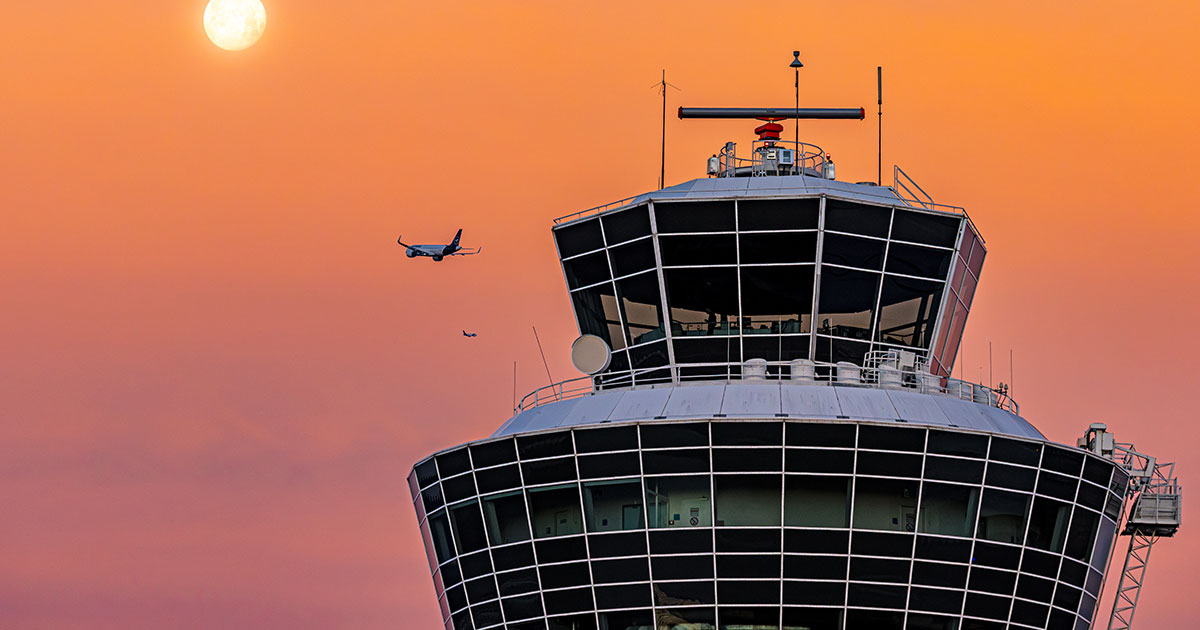
One billion passengers. It’s a number so large it’s almost abstract — but for Munich Airport, it represents more than three decades of flights, connections, and steady growth that have made it one of Europe’s most important aviation hubs.
The airport recently marked the arrival of its one-billionth passenger, a milestone that few airports anywhere in the world have reached. For an airport that only opened in 1992, crossing that threshold speaks to a remarkable and consistent trajectory that has reshaped how air travel flows through Central Europe.
This isn’t just a number to celebrate internally. It signals Munich’s standing as a genuine rival to the continent’s oldest and busiest airports — and raises real questions about what comes next for one of Germany’s most strategically positioned travel gateways.
How Munich Airport Reached One Billion Passengers
Munich Airport opened in May 1992, replacing the older Riem Airport that had served the Bavarian capital for decades. From the start, it was designed with expansion in mind — a modern facility built to accommodate growth rather than simply manage existing demand.
What followed was a consistent climb. The airport built its passenger base through a combination of factors: its geographic position in southern Germany, close to major Central and Eastern European markets; its role as a primary hub for Lufthansa, Germany’s flagship carrier; and a deliberate push to develop world-class facilities that could attract both airlines and travelers.
Over the course of more than thirty years, those investments compounded. International route networks expanded. Terminal capacity grew. And Munich steadily cemented its reputation not just as a transit point, but as a destination airport — one that travelers often rate among the best in Europe for the overall experience it offers.
What Makes Munich Different From Other Major European Hubs
A lot of airports claim to be world-class. Munich has consistently backed that up through recognition and operational performance. Its partnership with Lufthansa has been central to its growth, giving the airport a powerful anchor tenant that drives both passenger volume and long-haul connectivity.
But it isn’t just the Lufthansa relationship that sets Munich apart. The airport has worked to build a broad base of international connections, making it relevant to travelers across dozens of markets rather than dependent on a single airline or region.
Its strategic location also matters more than it might appear on a map. Sitting at the crossroads of Western and Central Europe, Munich serves as a natural layover point for passengers moving between continents — a role that has only grown as Eastern European travel markets have expanded.
| Factor | Role in Munich Airport’s Growth |
|---|---|
| Strategic Location | Central European position connecting Western and Eastern markets |
| Lufthansa Partnership | Anchor airline driving hub connectivity and long-haul routes |
| World-Class Facilities | Modern terminals designed to support continued expansion |
| International Connections | Broad route network built across multiple carriers and regions |
| Operational Excellence | Consistent reputation for passenger experience and reliability |
Why This Milestone Matters for European Aviation
Reaching one billion passengers places Munich in a very select group. Most airports that carry that kind of cumulative volume have been operating for fifty, sixty, or even seventy years. Munich did it in just over three decades.
That pace of growth reflects broader shifts in European aviation — rising passenger demand, the expansion of low-cost carriers, the growth of hub-and-spoke networks, and increasing appetite for international travel among European consumers. Munich was well-positioned to benefit from all of those trends simultaneously.
For the wider European aviation landscape, Munich’s rise has created meaningful competition at the top. Airports that once dominated European traffic without serious challengers now have to contend with a southern German hub that has demonstrated it can attract airlines, passengers, and investment on its own terms.
Officials have noted that the airport’s ability to adapt to a rapidly changing aviation environment — from shifting airline alliances to new travel patterns following global disruptions — has been a defining characteristic of its growth story.
What the One-Billionth Passenger Milestone Means for Travelers
For anyone who flies regularly through Europe, Munich’s growth has practical implications. More passengers mean more routes, more competition between airlines, and — in theory — more options and better prices for travelers passing through the region.
The airport’s emphasis on facilities and passenger experience also matters at a day-to-day level. Airports that invest in their infrastructure tend to offer smoother connections, better amenities, and more reliable operations. Munich’s reputation in this area has made it a preferred connecting point for many long-haul travelers who have a choice about where to transit.
For travelers based in Bavaria and the surrounding regions, the milestone also reflects the continued expansion of direct routes — meaning more destinations reachable without a connection elsewhere in Europe.
What Comes Next for Munich Airport
Reaching one billion passengers is a marker, not a ceiling. The airport’s trajectory over more than thirty years suggests that its leadership views the milestone as a foundation for the next phase of growth rather than a moment to pause.
Continued expansion of international connections, ongoing investment in facilities, and the sustained partnership with Lufthansa are all expected to remain central to Munich’s strategy going forward. The airport has shown a consistent ability to identify where aviation demand is heading and position itself accordingly.
Whether Munich can continue its growth rate in an increasingly competitive and environmentally scrutinized aviation sector remains to be seen. But the one-billion mark confirms that it has already earned its place among Europe’s leading airports — and that the next chapter is likely to be just as closely watched as the one that brought it here.
Frequently Asked Questions
When did Munich Airport open?
Munich Airport opened in 1992, replacing the older Riem Airport that had previously served the Bavarian capital.
Which airline is most closely associated with Munich Airport’s growth?
Lufthansa, Germany’s flagship carrier, has been Munich Airport’s primary partner and has played a central role in building its hub connectivity and international route network.
How significant is the one-billion passenger milestone?
It is a major achievement in global aviation, particularly notable because Munich reached it in just over thirty years — a faster pace than most airports with comparable cumulative totals.
Why is Munich Airport considered a leader in European aviation?
The airport is recognized for its strategic location, world-class facilities, strong airline partnerships, and a consistent track record of expanding its international connections over more than three decades.
Does this milestone affect future plans for the airport?
The source confirms the airport is focused on continued growth, but specific future expansion plans or timelines have not been detailed in the available reporting.
Is Munich Airport one of the busiest in Europe?
Yes, Munich is consistently ranked among Europe’s top airports by passenger volume and has built a reputation as one of the continent’s key aviation hubs.



Leave a Reply