
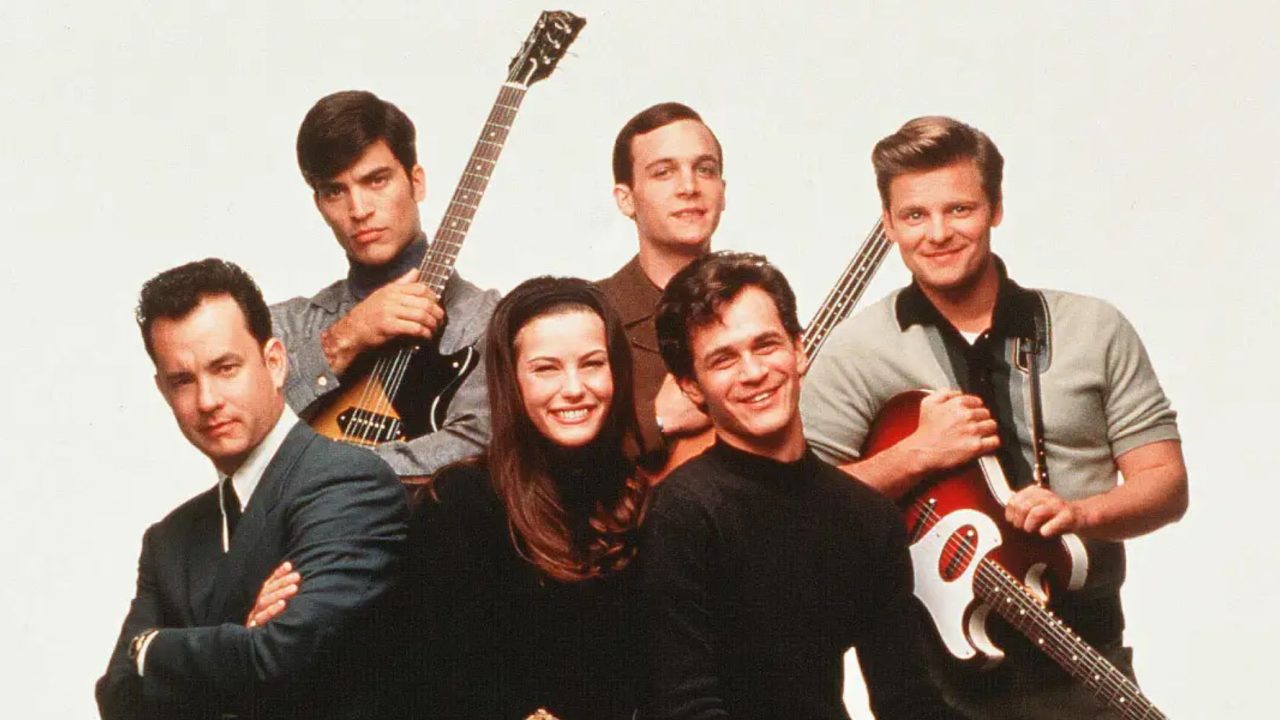
The 1990s produced some of the most beloved films in cinema history — but for every Pulp Fiction or The Shawshank Redemption that gets endlessly celebrated, there are dozens of near-perfect movies from that decade that have quietly vanished from the cultural conversation. Not bad films. Not forgotten for good reason. Just genuinely excellent work that time, circumstance, or poor marketing left behind.
That gap between quality and cultural memory is wider than most people realize. A film can be brilliantly written, beautifully acted, and critically praised — and still disappear completely within a generation. The ’90s, in particular, were so dense with output that even strong films got buried under the avalanche.
The topic, highlighted by film writers at Collider, points to a real and recurring phenomenon: movies that deserved far more than they got. Based on verifiable general knowledge of the era, here is a look at why so many near-perfect ’90s films have been forgotten — and which titles deserve a serious second look.
Why Great ’90s Movies Keep Getting Forgotten
The 1990s were an unusually crowded decade for film. Independent cinema exploded following the success of films like sex, lies, and videotape in 1989, and studios responded by flooding the market with mid-budget dramas, dark comedies, and genre experiments throughout the ’90s. The sheer volume of releases meant that even genuinely excellent films could get lost.
There was also no streaming to give forgotten films a second life. If a movie underperformed at the box office and didn’t land a strong VHS rental run, it could effectively disappear. No algorithm was going to surface it for a new audience fifteen years later. That infrastructure simply didn’t exist.
Add to that the way critical consensus shifts over time. Films that were considered “solid but unremarkable” in 1994 often look extraordinary now, when viewed against what contemporary cinema produces. Distance has a way of revealing quality that proximity obscures.
The Kinds of Films That Tend to Fall Through the Cracks
Not every forgotten film is forgotten for the same reason. Some patterns, however, show up repeatedly when looking at overlooked ’90s cinema:
- Mid-budget dramas with no franchise potential — Studios promoted them modestly, they performed modestly, and without sequels or spin-offs to keep the brand alive, they faded.
- Genre films that defied easy categorization — Movies that blended thriller, comedy, and drama in unexpected ways often confused marketing departments, which meant weak campaigns and limited audiences.
- Films that arrived at the wrong cultural moment — A serious film releasing the same weekend as a massive blockbuster could be effectively invisible, regardless of its quality.
- Smaller studio or independent releases — Without major distribution muscle, even acclaimed work struggled to reach wide audiences, particularly outside major cities.
- Films starring actors before they became household names — When a film’s biggest draw later became a major star, the earlier work sometimes gets absorbed into trivia rather than celebrated on its own terms.
What “Near-Perfect” Actually Means for a ’90s Film
The phrase “near-perfect” is doing real work here. It doesn’t mean flawless. It means films where the writing, direction, performances, and tone cohere into something that genuinely works — movies where the ambition matches the execution more often than not.
The 1990s produced a remarkable number of those. The decade saw the maturation of directors like David Fincher, Paul Thomas Anderson, and the Coen Brothers, alongside a generation of character actors who elevated every project they touched. The conditions were right for intelligent, ambitious filmmaking — and a lot of it went unrecognized at the time.
| Reason for Being Forgotten | How It Affected the Film | Likelihood of Rediscovery |
|---|---|---|
| Poor box office performance | Limited theatrical run, weak home video push | Moderate — streaming has helped some |
| Weak or confusing marketing | Wrong audience targeted, low awareness | High — word of mouth can still work |
| Released same period as massive blockbuster | Crowded out of press coverage and screens | High — quality tends to surface eventually |
| Genre-defying content | Hard to categorize, harder to recommend | Moderate — niche audiences find these |
| No franchise or sequel potential | No ongoing cultural presence to maintain visibility | Lower — requires active critical championing |
Why This Still Matters for Film Lovers Today
There is a practical argument for paying attention to forgotten ’90s films beyond simple nostalgia. The decade represents a period when studios still regularly greenlit mid-budget, adult-oriented dramas and comedies — a category that has largely vanished from mainstream theatrical release. Watching what that era produced is, in some ways, watching a model of filmmaking that no longer exists at scale.
For anyone who has ever complained that Hollywood doesn’t make “real movies” anymore, the ’90s back catalogue is the most direct counter-argument available. Dozens of films from that decade — many of them barely remembered — demonstrate exactly what mainstream cinema can achieve when it takes intelligent risks on original stories.
Streaming platforms have made rediscovery easier than it has ever been. A film that sat unwatched on a VHS shelf for twenty years can now find a global audience overnight if enough people start talking about it. The barriers to cinematic archaeology have never been lower.
The Best Way to Find These Films Now
Seeking out forgotten ’90s films is genuinely rewarding, but it helps to know where to look. Letterboxd lists, film criticism archives, and dedicated cinema communities have done significant work cataloguing overlooked work from the decade. Streaming services with deep libraries — particularly those with strong catalogue rights — are the most accessible starting point.
The films worth finding tend to share certain qualities: strong ensemble casts, scripts that trust the audience, and a willingness to let scenes breathe without rushing toward resolution. Those qualities haven’t aged. If anything, they feel more distinctive now than they did when the films were first released.
Frequently Asked Questions
Why do so many great ’90s movies get forgotten?
The decade was extremely crowded with releases, and without streaming platforms to give films a second life, underperforming movies could disappear quickly after a weak theatrical run.
What makes a ’90s film “near-perfect” even if no one remembers it?
Films where writing, direction, and performance genuinely cohere — where ambition meets execution — qualify, regardless of box office performance or cultural staying power.
Can forgotten ’90s films still be found today?
Yes. Streaming platforms with deep catalogues have made it easier than ever to rediscover overlooked films from the decade, and film communities actively champion many of them.
Were there specific types of ’90s films most likely to be forgotten?
Mid-budget dramas, genre-blending films, and independent releases with limited distribution were most vulnerable to being overlooked, regardless of their actual quality.
Does critical re-evaluation happen for forgotten films?
It does, though it takes time. Distance from a film’s original release often reveals qualities that contemporary reviewers missed, and some forgotten films have developed strong reputations decades later.



Leave a Reply