

Nepal’s spring trekking season — historically one of the most profitable periods for the country’s tourism industry — has been thrown into disarray by the ongoing conflict in the Gulf region, with American and European bookings dropping sharply at a time when mountain trails are usually packed with visitors.
By mid-March, the hills of Ghorepani, one of the most popular trekking routes in the Annapurna region, were noticeably quieter than usual. The rhododendron blooms that typically draw thousands of international trekkers each spring went largely uncelebrated, with anticipated visitors either canceling trips or redirecting to other destinations entirely.
The situation has put Nepal’s tourism operators in a difficult position — scrambling to offset losses from Western markets while hoping that travelers from East Asia can fill at least some of the gap left behind.
How the Gulf Conflict Is Disrupting Nepal’s Tourism Pipeline
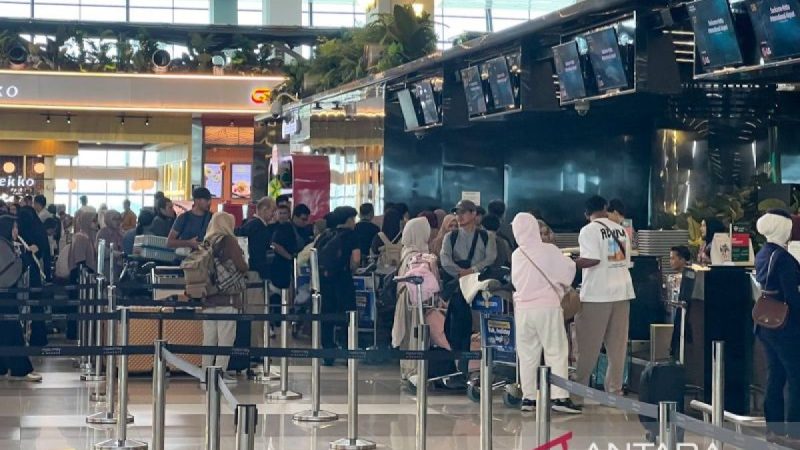
The mechanism of disruption isn’t hard to follow. A significant portion of American and European travelers flying to Nepal transit through major Gulf hubs — most notably Dubai. As the conflict in West Asia has escalated, flight cancellations and major changes to travel routes have created a cascade of logistical problems for those trying to reach South Asia.
For tourists planning a Himalayan trek, even a single canceled connection can unravel an entire itinerary. Many travelers, faced with uncertainty about routing and safety, have simply chosen not to go — or have pivoted to destinations that don’t require transiting through the affected region.
The impact has been felt most acutely in Pokhara, Nepal’s beloved tourism hub and the gateway city to the Annapurna circuit. Pokhara depends heavily on spring arrivals, and a quieter-than-expected season carries real economic weight for hotels, trekking agencies, guides, and local businesses that plan their entire year around this window.
What the Drop in Western Visitors Actually Looks Like
The source of the problem — reduced Western bookings — is visible in the contrast between what operators expected and what they are actually seeing. The Annapurna region, which encompasses Ghorepani and several other high-traffic trekking routes, is particularly dependent on long-haul travelers from North America and Europe who book multi-week itineraries and spend significantly more per trip than regional visitors.
| Affected Area | Normal Season | Current Situation | Primary Cause |
|---|---|---|---|
| Ghorepani Trekking Route | Peak spring visitor traffic | Noticeably quieter by mid-March | Western booking cancellations |
| Pokhara | Bustling spring season hub | Significant drop in arrivals | Gulf conflict flight disruptions |
| Annapurna Region | High international trekker flow | Reduced international footfall | Route changes via Dubai and Gulf hubs |
| Western Tourist Markets | Strong American and European bookings | Sharp decline in reservations | Conflict uncertainty and flight cancellations |
The pattern is consistent across the region. Where trekking lodges along popular routes would normally be managing full occupancy, operators are reporting empty beds and unused guide slots during what should be their most lucrative weeks of the year.
East Asian Travelers Step Into the Void
There is, however, a counterforce emerging. East Asian travelers — particularly from countries that do not route through Gulf hubs and face fewer logistical obstacles reaching Nepal — have begun to partially offset the decline in Western arrivals.
This shift reflects a broader trend that Nepal’s tourism planners have been watching for several years: the growing appetite among East Asian travelers for high-altitude adventure and Himalayan experiences. The Gulf conflict has, in a sense, accelerated a diversification that was already underway.
Whether East Asian arrivals can fully compensate for the loss of American and European visitors remains an open question. Western travelers tend to book longer stays, spend more per day, and generate more revenue for the full ecosystem of trekking support services. A partial replacement is better than nothing — but it is still a replacement, not an equivalent.
What Happens Next for Nepal’s Tourism Industry
The immediate priority for Nepal’s tourism sector is managing the current season as best it can. With spring already underway and the peak trekking window closing in on its natural end, there is limited time to recover lost ground from Western markets for this particular season.
Longer term, the crisis has exposed a structural vulnerability: Nepal’s dependence on routing through Gulf aviation hubs creates a chokepoint that geopolitical instability can exploit. Industry observers note that diversifying flight connectivity — building more direct or alternative routing options for long-haul Western travelers — could help insulate the sector against similar disruptions in the future.
The role of East Asian markets is also likely to come under closer strategic scrutiny. If the current season demonstrates that Chinese, South Korean, Japanese, and other East Asian visitors can sustain meaningful traffic even when Western arrivals collapse, that data point will carry weight in how Nepal markets itself and allocates tourism promotion resources going forward.
For now, the trails around Annapurna are quieter than they should be, the rhododendrons bloomed without their usual audience, and an entire industry is watching the Gulf situation closely — hoping for a resolution that brings the spring crowds back, even if the season is already more than half gone.
Frequently Asked Questions
Why are Western tourists canceling trips to Nepal?
The ongoing Gulf conflict has caused flight cancellations and route changes through major transit hubs like Dubai, making it significantly harder for American and European travelers to reach Nepal during the spring season.
Which parts of Nepal have been most affected?
Pokhara and the broader Annapurna region — including the popular Ghorepani trekking route — have seen the most visible drop in international visitor numbers.
Are any tourists still coming to Nepal?
Yes. East Asian travelers have been arriving in greater numbers and are helping to partially offset the decline in Western bookings, though not on a like-for-like basis.
Why does the Gulf conflict affect flights to Nepal?
Many American and European travelers transit through Gulf hubs such as Dubai on their way to South Asia, so conflict-related disruptions in that region directly affect their ability to complete those journeys.
Is this the worst tourism disruption Nepal has faced?
Will East Asian visitors fully replace the lost Western tourists?
This has not been confirmed. Western travelers typically book longer, higher-spending trips, so even a significant increase in East Asian arrivals may not fully compensate for the revenue lost from declining Western bookings.


Leave a Reply