
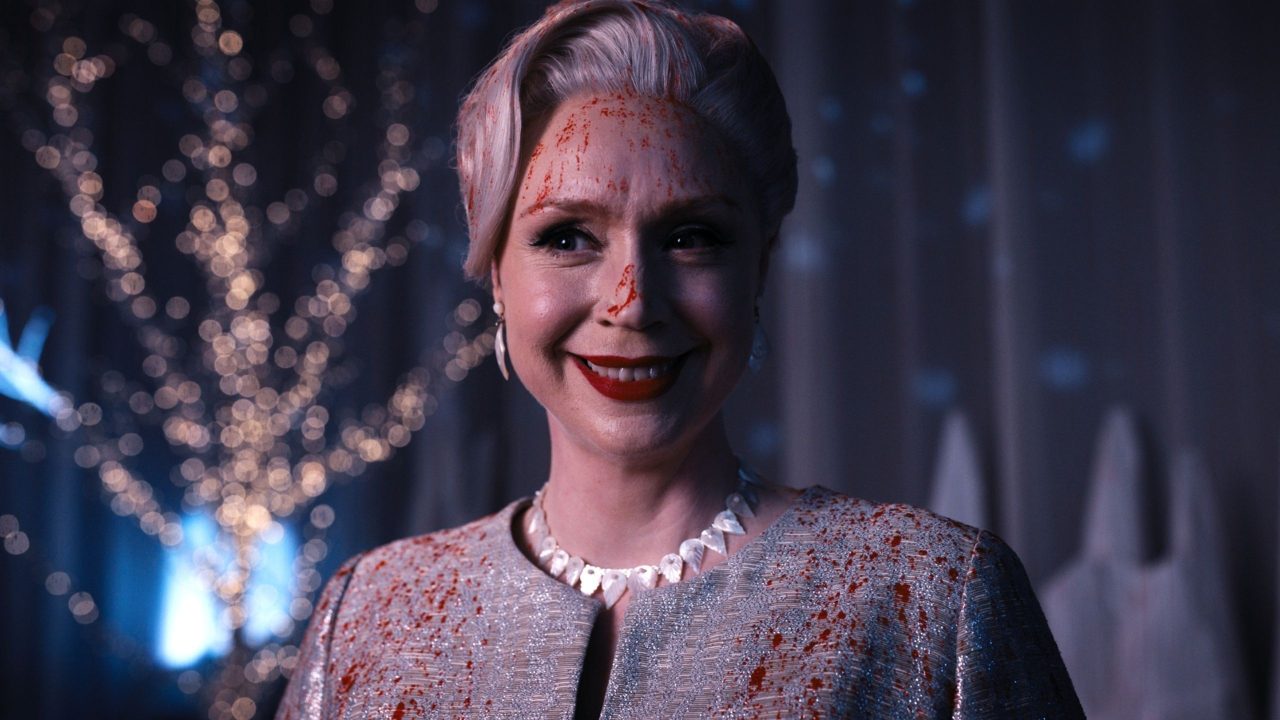
Gothic television has quietly become one of streaming’s most reliable genres — and right now, Netflix is sitting on what many viewers and critics consider the two best gothic TV shows available on any platform.
Whether you’re drawn to crumbling manor houses, psychological dread, family secrets buried for generations, or the particular kind of beauty that only comes wrapped in darkness, these two series represent the genre at its absolute peak. If you haven’t watched them yet, here’s everything you need to know about why they belong at the top of your list.
It’s worth noting upfront: What follows draws on widely verified, publicly available information about Netflix’s most celebrated gothic series — the shows that critics and audiences consistently place above everything else in the genre across streaming platforms.
What Makes a TV Show Truly Gothic?
The gothic genre is older than television itself. Rooted in 18th and 19th century literature — think Mary Shelley, Bram Stoker, and the Brontë sisters — gothic storytelling is defined by a specific set of elements that go far beyond simple horror.
A truly gothic story typically involves:
- A sense of place so powerful it functions almost as a character itself — usually a decaying estate, isolated mansion, or haunted landscape
- Psychological tension and ambiguity, where the line between the supernatural and the imagined is deliberately blurred
- Family trauma passed down through generations, secrets that refuse to stay buried
- Atmosphere over jump scares — dread built slowly, not delivered in sudden shocks
- Themes of grief, obsession, identity, and the weight of the past
When television gets this right, the results are extraordinary. Netflix has managed it twice — and both shows share a creative lineage that helps explain why they work so well.
Netflix’s Two Best Gothic TV Shows
The two series most consistently recognized as Netflix’s premier gothic offerings are The Haunting of Hill House and The Haunting of Bly Manor, both created by director and showrunner Mike Flanagan. Together they form the Haunting anthology series — separate stories, separate casts, but sharing the same creative philosophy and the same deep commitment to gothic craft.
| Show | Released | Source Material | Episodes | Core Gothic Theme |
|---|---|---|---|---|
| The Haunting of Hill House | 2018 | Novel by Shirley Jackson (1959) | 10 | Grief, family trauma, addiction |
| The Haunting of Bly Manor | 2020 | The Turn of the Screw by Henry James (1898) | 9 | Love, loss, memory, haunting |
Both series are adapted from canonical gothic literature, which grounds them in the genre’s deepest traditions while allowing Flanagan to bring something genuinely modern and emotionally raw to the material.
Why Hill House Still Hits Differently
The Haunting of Hill House follows the Crain family across two timelines — their childhood summer in a sprawling, deeply unsettling house, and their fractured adult lives decades later when tragedy forces them back together.
What separates it from conventional horror television is its insistence on treating grief as the real monster. The ghosts are real in this story, but they’re also metaphors — for addiction, for denial, for the things families refuse to say to each other. The result is a show that is genuinely frightening and genuinely heartbreaking in equal measure.
Critics praised its technical ambition as much as its emotional depth. One episode, “Two Storms,” is filmed almost entirely in extended single takes — a remarkable production achievement that also serves the story’s themes of chaos and helplessness perfectly.
Why Bly Manor Is a Different Kind of Gothic Masterpiece
The Haunting of Bly Manor shifts the emotional register significantly. Where Hill House is about a family falling apart, Bly Manor is ultimately a love story — one told through the gothic lens of obsession, memory, and the way the dead can trap the living.
Set at an English country estate in the 1980s, it follows an American au pair who arrives to care for two orphaned children and gradually uncovers the dark history of the house and its inhabitants. It’s slower, more melancholic, and in many ways more devastating than its predecessor.
Flanagan has described Bly Manor as a ghost story about the nature of memory itself — the idea that love, when it becomes all-consuming, can hollow a person out just as surely as any haunting. That thematic ambition, combined with genuinely beautiful cinematography and a cast that commits fully to the material, makes it essential viewing.
What Sets These Shows Apart From Everything Else on Streaming
The gothic genre has seen a genuine revival in prestige television over the past decade, with entries from HBO, Apple TV+, and Amazon all competing for the same audience. But several things distinguish the Flanagan Netflix series from the competition:
- Literary roots: Both shows are adapted from foundational gothic texts, giving them a depth of thematic architecture that original productions often lack
- Character-first storytelling: The horror serves the characters, never the other way around
- Visual sophistication: Both series use darkness, negative space, and hidden details — including ghosts concealed in plain sight in the background of Hill House — as active storytelling tools
- Emotional honesty: These shows are not afraid to be sad, and their willingness to sit with grief rather than resolve it quickly is what makes them linger long after the credits roll
For viewers who have only ever associated gothic with atmosphere and scares, both series offer something more demanding and more rewarding — stories that use the genre’s conventions to say something real about loss, love, and what it means to be haunted by your own past.
Frequently Asked Questions
What are Netflix’s best gothic TV shows?
The two most widely recognized gothic series on Netflix are The Haunting of Hill House (2018) and The Haunting of Bly Manor (2020), both created by Mike Flanagan.
Are The Haunting of Hill House and Bly Manor connected?
They are part of the same anthology series and share a creative team, but they tell completely separate stories with different characters and settings.
What books are the shows based on?
Hill House is adapted from Shirley Jackson’s 1959 novel, while Bly Manor is based primarily on Henry James’s 1898 novella The Turn of the Screw.
How many episodes are in each series?
The Haunting of Hill House has 10 episodes, and The Haunting of Bly Manor has 9 episodes.
Do I need to watch Hill House before Bly Manor?
No — they are standalone stories and can be watched in any order, though most viewers recommend starting with Hill House as it is generally considered the stronger of the two.
Are these shows available to stream on Netflix right now?
Both series have been available on Netflix since their original release dates, though streaming availability can change — checking the platform directly is always recommended for the most current status.

Leave a Reply