
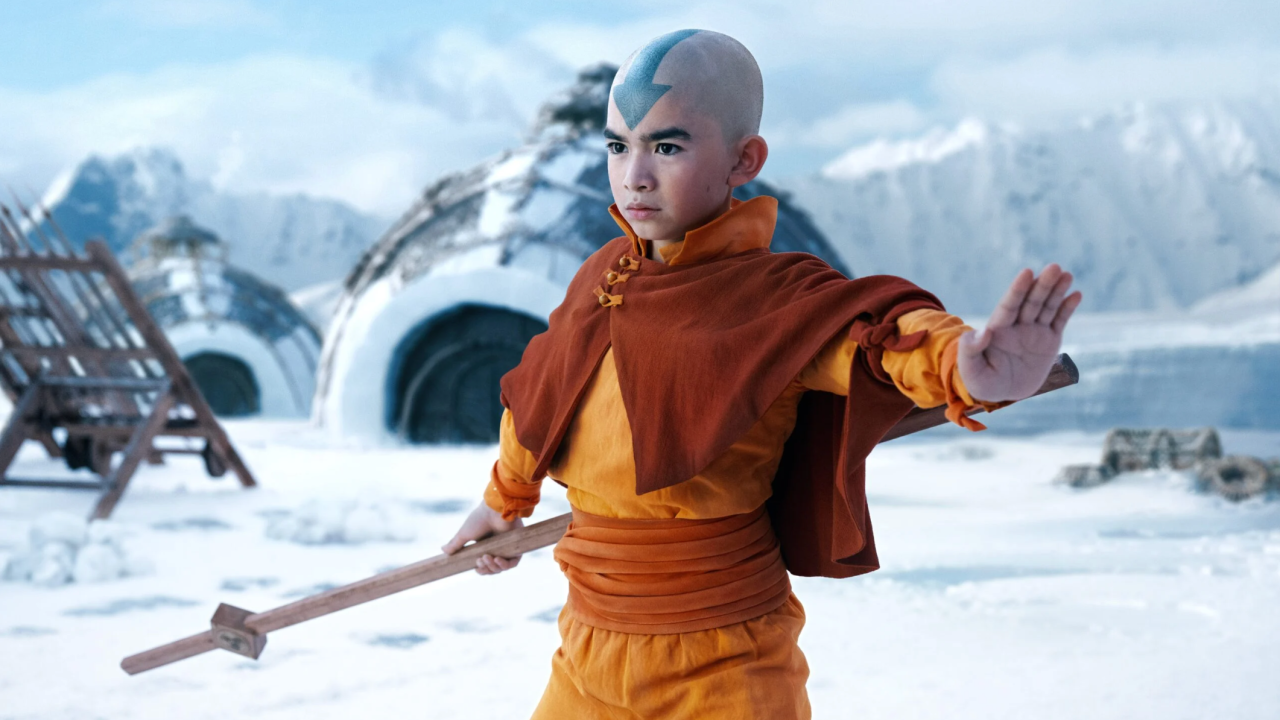
What does it actually take to turn a beloved anime or animated series into a live-action show that fans don’t hate? Netflix has been chasing that answer for years — and right now, one series appears to be pulling ahead of the pack in a very meaningful way.
One Piece, Netflix’s live-action adaptation of Eiichiro Oda’s legendary manga, has reclaimed the top spot on the platform’s fantasy charts as its second season builds momentum. Meanwhile, the streamer’s other high-profile animated adaptation — Avatar: The Last Airbender — continues to draw comparisons that don’t always flatter it. The contrast between these two productions has become one of the more interesting conversations in streaming television right now.
Both shows are attempting something genuinely difficult: translating animated worlds with massive, passionate fanbases into live-action formats without losing what made the originals special. One of them seems to be figuring it out more convincingly than the other.
Why Live-Action Anime Adaptations Are So Hard to Get Right
The history of live-action adaptations of animated properties is not a cheerful one. For every success, there are a dozen projects that collapsed under the weight of fan expectations, tonal misjudgments, or simple failures of craft. The challenge isn’t just visual — it’s about capturing the emotional logic of a story that was designed to work in a specific animated form.
Animated series can ask audiences to accept stylized physics, exaggerated expressions, and world-building that operates on its own internal rules. When you move those elements into live action, every creative decision gets scrutinized differently. Performances that would feel natural in animation can seem overwrought on screen. Action sequences that flow beautifully in drawn form can become chaotic or unconvincing with real actors and practical effects.
This is the minefield that both One Piece and Avatar: The Last Airbender have been navigating on Netflix — and the results have been noticeably different.
Where One Piece Season 2 Appears to Be Getting It Right
The general critical and audience consensus forming around One Piece’s live-action run is that the show has managed something rare: it feels faithful to The production leans into the absurdity and warmth of Oda’s world rather than trying to ground or “realistic-ify” it for a live-action audience.
That tonal commitment matters more than it might seem. One Piece as a manga and anime has always been about grand emotional stakes wrapped in wildly inventive adventure. The live-action version, by most accounts, has preserved that balance — letting the show be joyful and earnest without becoming self-conscious about it.
Season 2 has continued to build on the foundation the first season established, expanding the world and deepening character relationships in ways that feel organic rather than rushed. Observers have noted that the show trusts its audience to engage with its more fantastical elements without needing them constantly explained or apologized for.
How Avatar: The Last Airbender Compares
Avatar: The Last Airbender arrived on Netflix with enormous goodwill behind it. The original animated series is widely regarded as one of the greatest animated shows ever made — a story with genuine emotional complexity, a richly developed world, and characters that audiences have carried with them for decades.
The live-action version has had a more complicated reception. While it has found an audience and earned a renewal, critics and fans have raised consistent concerns about pacing, tonal inconsistency, and choices that seem to work against what made Some feel the show rushes through emotional beats that the original earned slowly and carefully. Others have pointed to a tendency to explain things that the animated series trusted viewers to absorb naturally.
The comparison to One Piece is instructive precisely because both shows face similar structural challenges — large casts, elaborate world-building, stories originally told in animation — but appear to be solving those challenges with different degrees of success.
A Side-by-Side Look at Both Adaptations
| Element | One Piece (Live-Action) | Avatar: The Last Airbender (Live-Action) |
|---|---|---|
| Source Material | Eiichiro Oda’s manga/anime | Nickelodeon animated series |
| Platform | Netflix | Netflix |
| Current Status | Season 2 in progress | Renewed beyond Season 1 |
| General Audience Reception | Broadly positive, strong fanbase approval | Mixed, with loyal viewers but ongoing criticism |
| Tonal Approach | Embraces source material’s energy | Noted inconsistencies in tone and pacing |
| Chart Performance | Currently Netflix’s #1 fantasy live-action series | Strong debut but comparatively lower sustained ranking |
What One Piece’s Success Could Mean for Netflix’s Strategy
Netflix has invested heavily in live-action adaptations of animated and manga properties. The platform clearly sees this as a long-term content category — not a one-off experiment. One Piece’s performance gives the streamer a working model to point to when those investments are questioned.
The lesson that appears to be emerging is straightforward, even if it’s harder to execute than it sounds: respect Fans of these properties don’t want a “reimagining” — they want to see the world they love rendered with care and craft.
Whether Avatar: The Last Airbender can course-correct in future seasons remains to be seen. But right now, One Piece is the clearer example of how this particular creative challenge can be met — and Netflix’s chart rankings appear to reflect that.
Frequently Asked Questions
Is One Piece currently Netflix’s number one fantasy live-action series?
Based on current reporting, One Piece holds the top position among Netflix’s fantasy live-action offerings as its second season continues to roll out.
How does One Piece Season 2 compare to Season 1?
Season 2 is generally seen as building successfully on the first season’s foundation, expanding the world and character dynamics in ways that have been well received by audiences.
Why do fans feel Avatar: The Last Airbender’s live-action version falls short?
Common criticisms include rushed pacing, tonal inconsistency, and a tendency to over-explain elements that the original animated series handled with more restraint and trust in the audience.
Has Avatar: The Last Airbender been renewed on Netflix?
Yes, the live-action Avatar series has been renewed beyond its first season, indicating Netflix sees continued value in the property despite mixed critical reception.
What is the key difference in how these two shows approach their source material?
One Piece is broadly praised for embracing the tone and spirit of Eiichiro Oda’s original work, while Avatar’s live-action version has faced criticism for making choices that seem to work against what defined the animated series.
Who created the original One Piece manga?
One Piece was created by Eiichiro Oda, whose manga serves as the basis for both the long-running anime series and Netflix’s live-action adaptation.



Leave a Reply