
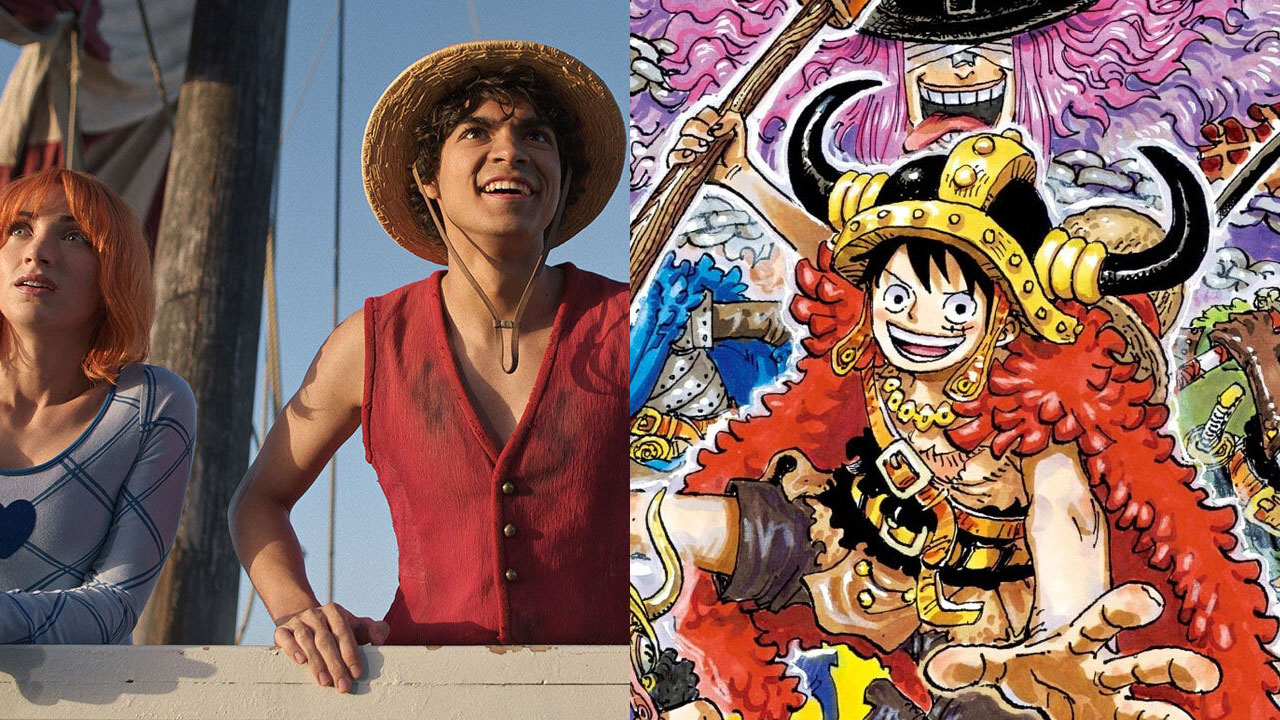
Netflix’s live-action One Piece has become one of the most talked-about adaptations in recent streaming history — but just how much of Eiichiro Oda’s sprawling manga has actually been covered so far, and how much remains? For fans who want to understand where the show stands relative to
The manga that inspired the series is one of the longest-running in history, with over 1,000 chapters published since 1997. Adapting that into a live-action format — even a well-funded Netflix production — means making serious choices about pacing, compression, and scope. Understanding how much ground has been covered helps fans gauge not just where Season 2 left off, but how many more seasons this story could realistically sustain.
Because
What Netflix’s One Piece Has Covered So Far
Netflix’s Season 1 adapted the East Blue Saga, which covers roughly the first 100 chapters of the manga. This section of the story introduces Monkey D. Luffy, the formation of the Straw Hat crew, and early antagonists including Arlong. It’s a self-contained arc that translates relatively well to live-action because of its manageable scope and character-focused storytelling.
Season 2, which Netflix has been developing, moves into the Alabasta Saga — one of the most beloved arcs in the entire manga. This arc spans approximately Chapters 101 through 217, covering the journey through Whisky Peak, Little Garden, Drum Island, and ultimately the desert kingdom of Alabasta itself. It’s a significantly larger arc than Season 1, which explains why production has required more time and resources.
Between the two seasons, the live-action adaptation will have covered roughly 217 chapters of source material — representing a meaningful but still relatively small slice of the full story.
How Many Chapters Are Left to Adapt
As of early 2026, the One Piece manga sits at well over 1,100 chapters, with Oda continuing to publish new material. That means even after Season 2 wraps up the Alabasta arc, the live-action series will have covered fewer than 220 chapters — leaving somewhere in the region of 900 or more chapters still untouched.
That’s a staggering amount of story. The arcs that follow Alabasta include some of the most celebrated and complex in the entire series, including Skypiea, Water Seven, Enies Lobby, Thriller Bark, the Marineford War, the two-year time skip, and the massive New World saga. Each of these arcs is substantially longer and more complicated than anything the show has tackled so far.
For context, here’s a rough breakdown of the major story arcs and their approximate chapter ranges:
| Arc | Approximate Chapter Range | Status in Live-Action |
|---|---|---|
| East Blue Saga | Chapters 1–100 | Adapted (Season 1) |
| Alabasta Saga | Chapters 101–217 | In progress (Season 2) |
| Skypiea Saga | Chapters 218–302 | Not yet adapted |
| Water Seven / Enies Lobby | Chapters 303–441 | Not yet adapted |
| Thriller Bark | Chapters 442–489 | Not yet adapted |
| Marineford War Saga | Chapters 490–597 | Not yet adapted |
| New World (Post-Timeskip) | Chapters 598–1100+ | Not yet adapted |
Why the Pacing Question Matters for Future Seasons
The sheer volume of remaining story raises a practical question: can the live-action series realistically adapt everything, or will it need to make even more aggressive cuts as the arcs grow larger and more complex?
Season 1 compressed roughly 100 chapters into eight episodes. If Season 2 follows a similar approach with the Alabasta arc’s 117 chapters, the compression remains manageable. But arcs like Water Seven and Enies Lobby — which together span nearly 140 chapters and contain some of the most emotionally intricate storytelling in the manga — will test how far that compression model can stretch.
There’s also the question of cast, budget, and production scale. The later arcs introduce dozens of major characters, massive set pieces, and world-building that grows exponentially more ambitious. Each new season will likely require more resources than the last, which makes Netflix’s continued commitment to the project a crucial variable.
What This Means for Fans Watching the Show
For viewers who are only following the live-action series, there’s genuinely good news buried in these numbers. Even if the show runs for five or six seasons, there is no shortage of source material to draw from. The story Oda has built is vast enough to sustain a long-running series without ever recycling ideas.
For manga readers, the adaptation will continue to be a different experience — shorter, compressed, and shaped by the demands of live-action production — but the bones of the story remain the same. The arcs that fans have waited years to see realized in live-action, particularly Marineford and the Water Seven saga, are still ahead.
The show has already proven it can handle the material respectfully. Whether it can scale up to match the ambition of what’s coming is the real story worth watching.
Frequently Asked Questions
How many chapters does the One Piece manga have in total?
As of early 2026, the One Piece manga has surpassed 1,100 chapters, with creator Eiichiro Oda still actively publishing new material.
How many chapters did Netflix’s One Piece Season 1 adapt?
Season 1 covered the East Blue Saga, which spans approximately the first 100 chapters of the manga across eight episodes.
What arc does Season 2 of the Netflix One Piece cover?
Season 2 is adapting the Alabasta Saga, which runs from approximately Chapter 101 to Chapter 217 in the manga.
How many chapters are left to adapt after Season 2?
After Season 2, roughly 900 or more chapters of the manga remain unadapted, including major arcs like Skypiea, Water Seven, Enies Lobby, and the post-timeskip New World saga.
Has Netflix confirmed more seasons of One Piece beyond Season 2?
As of this writing, Netflix has not made a confirmed public announcement about seasons beyond Season 2, though the volume of source material would support a long-running series.
Will the live-action series adapt every arc in the manga?
This has not been confirmed. Given the scale of later arcs, the production will likely need to make significant choices about which storylines to prioritize and how aggressively to compress the material.


Leave a Reply