
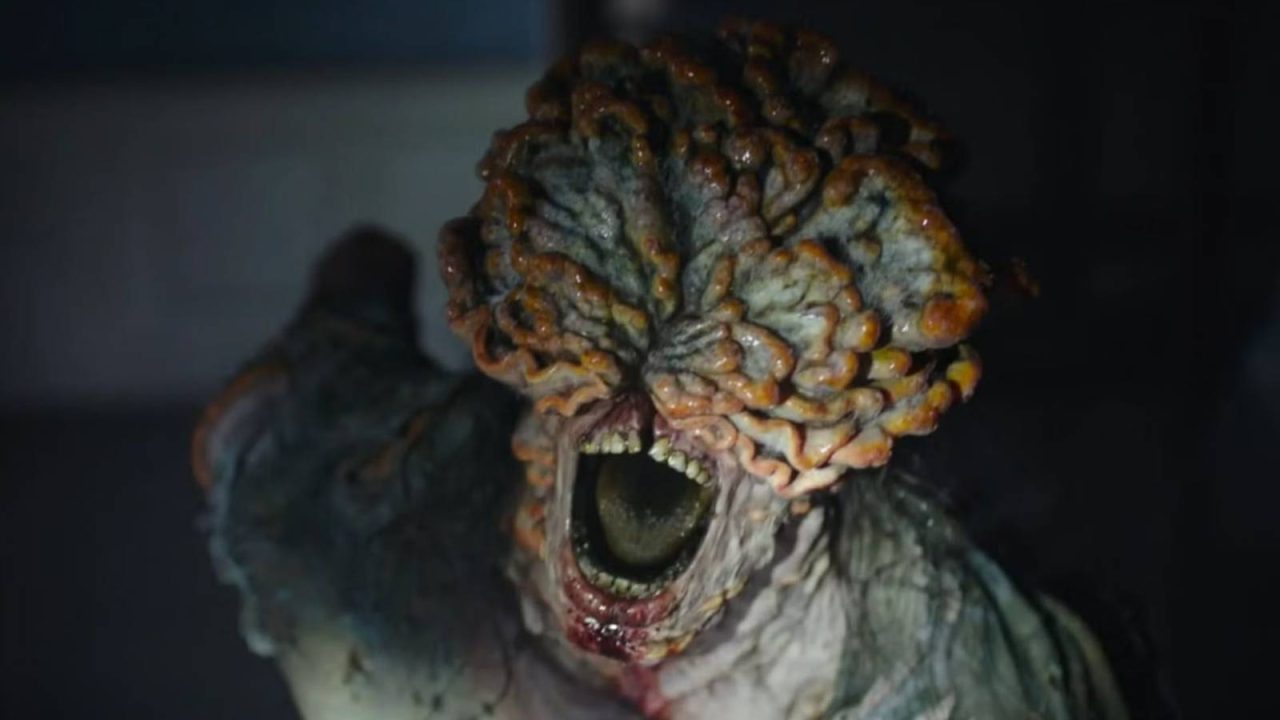
When people debate the greatest post-apocalyptic television ever made, The Last of Us dominates the conversation. And fairly so — HBO’s adaptation of the beloved video game is genuinely excellent. But there is a Netflix series that arrived years earlier, ran for two seasons, and delivered something just as emotionally devastating and far more visually inventive. Most Western audiences still haven’t seen it. That series is Kingdom, the South Korean zombie drama set in Joseon-era Korea, and it deserves far more attention than it gets.
The premise alone is enough to stop you mid-scroll: a crown prince investigates a mysterious plague sweeping his kingdom, only to discover the dead are rising and consuming the living — all while political conspiracies threaten to destroy everything he’s trying to protect. It’s part zombie horror, part political thriller, part period epic, and it executes every one of those things with remarkable confidence.
If you’ve been sleeping on Kingdom because subtitles feel like a barrier, or because you assumed nothing could top what HBO has done with post-apocalyptic storytelling, this is the article that might change your mind.
What Makes Kingdom Different From Every Other Zombie Series
The zombie genre has a fatigue problem. After years of The Walking Dead, countless films, and now The Last of Us setting a new prestige bar, it’s easy to feel like there’s nothing left to say about the undead. Kingdom proves that assumption wrong by doing something genuinely clever: it relocates the apocalypse entirely.
Setting the story in medieval Korea isn’t just a cosmetic choice. It fundamentally changes the rules. There are no guns, no cars, no modern infrastructure to fall back on. The characters fight with swords, arrows, and fire. The social hierarchies of the Joseon dynasty — rigid, brutal, and deeply unequal — become as dangerous as the plague itself. The ruling class hoards food while commoners starve, and that desperation is what allows the infection to spread in the first place.
That political layer is what elevates Kingdom above straightforward survival horror. The zombies are terrifying, yes. But the show is really about power, corruption, and what happens to ordinary people when those at the top refuse to sacrifice anything to protect them. Sound familiar? It should.
How Kingdom Compares to The Last of Us
Both series share a commitment to character-driven storytelling within a world that has fundamentally broken down. Both use the infected not just as monsters but as symptoms of something deeper — social failure, human cruelty, the cost of survival. And both are genuinely beautiful to look at, with cinematography that treats the apocalypse as something mournful rather than just spectacular.
| Feature | Kingdom (Netflix) | The Last of Us (HBO) |
|---|---|---|
| Setting | Medieval Joseon-era Korea | Near-future post-apocalyptic America |
| Tone | Political thriller meets horror | Emotional survival drama |
| Language | Korean (subtitled) | English |
| Seasons Available | 2 seasons + 1 special | 2 seasons (ongoing) |
| Where to Watch | Netflix | HBO / Max |
| Episode Count | 12 episodes + special | Ongoing |
Where Kingdom arguably pulls ahead is in its pacing. Each episode moves with a relentless momentum that’s rare in prestige television. There’s no filler, no wheel-spinning. The show respects your time in a way that longer American dramas sometimes don’t. By the end of its first season — just six episodes — it has delivered more genuine plot progression than many series manage across an entire run.
The Zombie Design Is Unlike Anything You’ve Seen
One specific detail that sets Kingdom apart is how its infected actually behave. These aren’t the slow shambling dead of classic zombie lore, nor are they the purely animalistic runners of modern horror. The Kingdom zombies are heat-sensitive — they become dormant in daylight and go into a frenzy after dark. That single rule transforms every action sequence, because the characters don’t just need to survive; they need to survive until dawn.
It’s a small creative decision with enormous storytelling consequences. Suddenly, every scene set at night carries a different kind of dread. Every torch that goes out, every cloud that blocks the moon, becomes a source of genuine tension. It’s inventive genre writing at its best.
Why Western Audiences Keep Overlooking It
Part of the reason Kingdom doesn’t get mentioned alongside The Last of Us in mainstream conversations is simply timing. It premiered in 2019, before the global explosion of Korean content that followed Squid Game in 2021. Many Western viewers who might love it discovered Korean drama later and haven’t gone back to find what they missed.
There’s also the subtitle question. Studies consistently show that a significant portion of streaming audiences in English-speaking countries will not watch subtitled content, regardless of quality. That’s a real barrier — but it’s one worth pushing through here. Kingdom is the kind of series that makes you forget you’re reading within minutes.
The show was created by Kim Eun-hee, one of South Korea’s most respected television writers, and directed with extraordinary visual flair. The production design alone — recreating Joseon-era villages, palaces, and landscapes — is worth the watch. It feels genuinely cinematic in a way that many streaming series struggle to achieve.
What Happens Next for Kingdom
Both seasons of Kingdom are currently available on Netflix, along with a standalone special episode titled Kingdom: Ashin of the North, which expands the mythology of the plague itself. The special works as both a companion piece for existing fans and a compelling entry point for newcomers curious about the world.
As of now, a third season has not been officially confirmed, though interest in the franchise remains strong given the global growth of Korean content on streaming platforms. Whether or not the story continues, what exists already is a complete and deeply satisfying piece of television — one that holds up against anything the post-apocalyptic genre has produced, in any language.
If you’ve already finished The Last of Us and you’re looking for something that scratches a similar itch while doing something entirely its own — Kingdom is waiting for you on Netflix right now.
Frequently Asked Questions
What is Kingdom on Netflix about?
Kingdom is a South Korean zombie horror series set in medieval Joseon-era Korea, following a crown prince who investigates a deadly plague while navigating dangerous political conspiracies.
How many seasons of Kingdom are on Netflix?
There are two full seasons available on Netflix, along with a standalone special episode called Kingdom: Ashin of the North.
Is Kingdom better than The Last of Us?
Many critics and genre fans argue that Kingdom matches or exceeds The Last of Us in pacing, political depth, and creative originality, particularly for its unique historical setting and innovative zombie mechanics.
Do I need to watch Kingdom in order?
Yes — the two main seasons follow a continuous story and are best watched in order. The special episode Ashin of the North can be watched after Season 2 for the fullest experience.
Will there be a Season 3 of Kingdom?
A third season has not been officially confirmed as of the time of writing. This has not yet been announced by Netflix or the production team.
Is Kingdom available in English dubbing?
Netflix offers Kingdom with subtitles, and dubbed options may be available depending on your region — though the original Korean audio is widely considered the preferred viewing experience.

Leave a Reply