
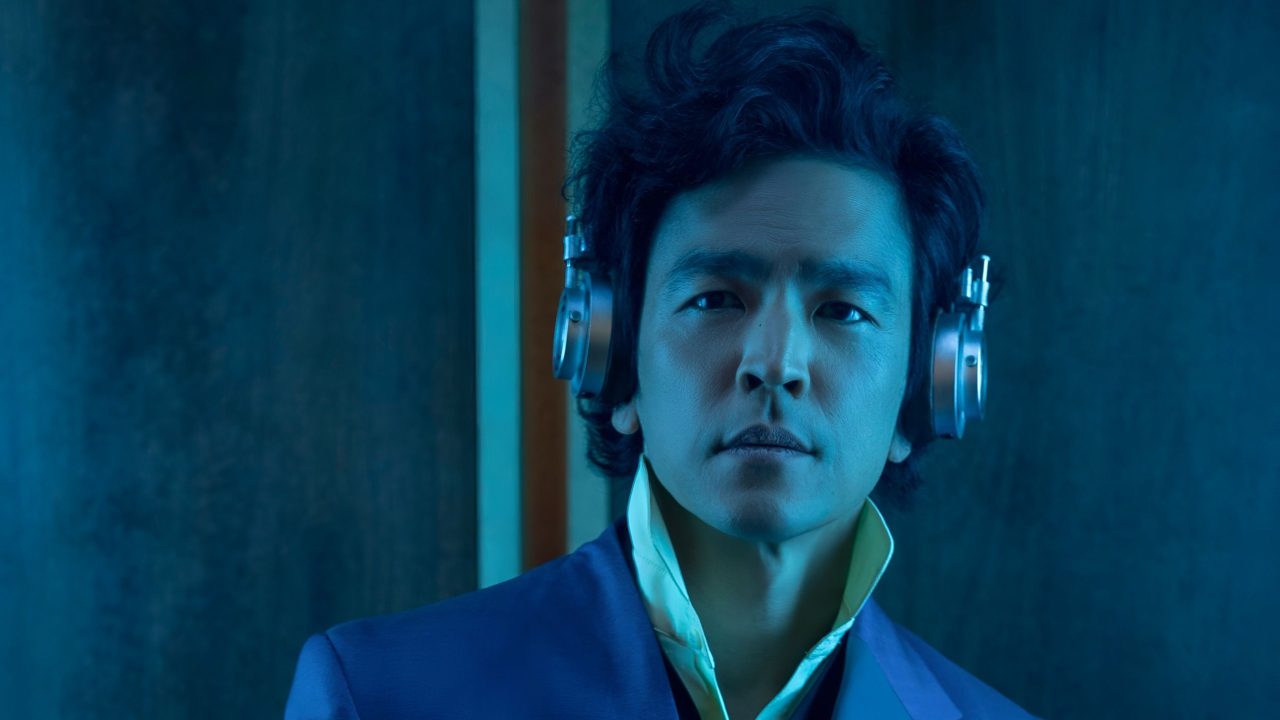
Netflix’s live-action anime adaptations have had a complicated history — and one number tells the whole story. The streamer’s 2021 live-action version of Cowboy Bebop landed a 45% score on Rotten Tomatoes from critics, was cancelled after a single season, and became one of the more high-profile stumbles in the platform’s ongoing effort to translate beloved anime into live-action format.
Now, Netflix is reportedly moving forward with a live-action adaptation of Samurai Champloo, the iconic 2004 samurai anime from director Shinichiro Watanabe — the same creative mind behind Cowboy Bebop. For fans who watched the Bebop adaptation fall flat, the question is obvious: can Netflix get it right this time?
Given how much cultural weight Samurai Champloo carries — a series that holds a near-perfect reputation among anime fans and frequently earns 10/10 ratings in fan discussions — the stakes are genuinely high. This isn’t just another streaming project. It’s a second chance at something that already went wrong once.
Why Cowboy Bebop Failed Where Samurai Champloo Could Succeed
The Cowboy Bebop live-action adaptation wasn’t a total disaster in every sense — it found an audience, and some fans appreciated what it attempted. But a 45% critical score is hard to spin positively, and Netflix pulling the plug after one season confirmed that the project hadn’t landed the way the platform hoped.
The core criticism of the Bebop adaptation centered on tone. The original anime balanced melancholy, jazz-soaked atmosphere, and existential themes in a way that felt almost impossible to replicate in live-action. Critics and fans argued that the Netflix version leaned too hard into surface-level style without capturing the emotional depth underneath.
Samurai Champloo presents a different kind of challenge — and potentially a more manageable one. Where Bebop’s mood was introspective and atmospheric, Champloo is driven by kinetic energy, bold visual style, and a hip-hop-influenced aesthetic that blends Edo-period Japan with anachronistic swagger. Its appeal is visceral in a way that could translate more naturally to live-action filmmaking, provided the production commits fully to
What Makes Samurai Champloo Such a High-Risk, High-Reward Property
Samurai Champloo originally aired in 2004 and ran for 26 episodes. It follows three mismatched travelers — the wild and unpredictable Mugen, the disciplined and precise Jin, and the determined Fuu — as they journey across feudal Japan searching for a samurai who smells of sunflowers. The premise sounds deceptively simple. The execution is anything but.
What set the series apart was its fusion of traditional samurai storytelling with hip-hop culture — breakdancing-influenced sword fighting, a contemporary soundtrack, and an irreverent attitude toward historical accuracy. It was deliberately anachronistic, and that boldness is exactly what made it work.
For a live-action adaptation to succeed, it would need to honor that same fearlessness. Sanitizing the show’s edge or trying to ground it in gritty realism would be the fastest way to repeat the Cowboy Bebop mistake.
The Pattern Netflix Needs to Break
Netflix’s track record with live-action anime adaptations is genuinely mixed. For every project that lands well, there’s one that becomes a cautionary tale. The Cowboy Bebop cancellation stung particularly hard because the original series is so widely beloved — and because the gap between fan expectation and delivered product was so visible.
| Anime Property | Original Format | Netflix Adaptation Status | Notable Reception Note |
|---|---|---|---|
| Cowboy Bebop | 1998 anime series | Cancelled after Season 1 (2021) | 45% on Rotten Tomatoes |
| Samurai Champloo | 2004 anime series | Adaptation in development | Near-perfect fan reputation |
The comparison matters because both series share the same creative DNA. Shinichiro Watanabe directed both, and both occupy a similar space in anime history — genre-blending, musically driven, and deeply character-focused. If Netflix learned concrete lessons from the Bebop experience, Samurai Champloo is exactly the kind of project where those lessons could be applied.
What a Successful Adaptation Would Actually Require
Fans and critics who follow anime adaptations closely tend to point to a few consistent factors that separate successful live-action translations from failed ones. For Samurai Champloo specifically, the priorities would likely include:
- Preserving the fighting style: Mugen’s breakdancing-influenced swordplay is central to the show’s identity. Choreography that captures that energy — rather than defaulting to conventional samurai action — would be essential.
- Honoring the music: The original series used hip-hop production to create its atmosphere. A live-action version that abandons or dilutes the soundtrack would lose something irreplaceable.
- Casting that fits the characters: Mugen, Jin, and Fuu are distinct personalities with specific dynamics. Getting that chemistry right on screen matters as much as any visual element.
- Committing to the tone: The show is funny, violent, melancholy, and absurd — sometimes within the same episode. A production that tries to smooth those edges into something more conventional would undermine the whole point.
These aren’t small asks. But they’re also not impossible ones — and the fact that Netflix is reportedly pursuing the project suggests the platform believes it can meet them.
Why This Moment Matters for Anime Adaptations Broadly
The conversation around live-action anime adaptations has shifted considerably in recent years. There’s more awareness now — among both studios and audiences — of what tends to go wrong and why. The failures have been public enough that the lessons are hard to ignore.
A successful Samurai Champloo adaptation wouldn’t just redeem Netflix’s track record. It would demonstrate that the live-action anime format can work consistently, not just occasionally. That matters for every beloved series still waiting for its own adaptation.
For fans of the original show, the hope is straightforward: that Netflix treats Samurai Champloo with the same respect The Cowboy Bebop stumble is already part of the record. What happens next is still being written.
Frequently Asked Questions
What score did Netflix’s Cowboy Bebop live-action adaptation receive on Rotten Tomatoes?
The Netflix live-action adaptation of Cowboy Bebop received a 45% score on Rotten Tomatoes from critics and was cancelled after its first season in 2021.
Who directed the original Samurai Champloo anime?
Samurai Champloo was directed by Shinichiro Watanabe, the same director behind the original Cowboy Bebop anime series.
When did Samurai Champloo originally air?
The original Samurai Champloo anime series aired in 2004 and ran for 26 episodes.
What makes Samurai Champloo different from other samurai anime?
Samurai Champloo is known for blending Edo-period samurai storytelling with hip-hop culture, including breakdancing-influenced sword fighting and a contemporary soundtrack, making it deliberately anachronistic in style.
Has Netflix confirmed the Samurai Champloo live-action adaptation?
Based on available reporting, the project is described as in development. Full confirmation of production details has not yet been publicly established.
Why do live-action anime adaptations so often struggle?
Critics and fans generally point to failures in tone, casting chemistry, and the difficulty of replicating the distinct visual and atmospheric qualities of animated originals — issues that affected the Cowboy Bebop adaptation directly.

Leave a Reply