
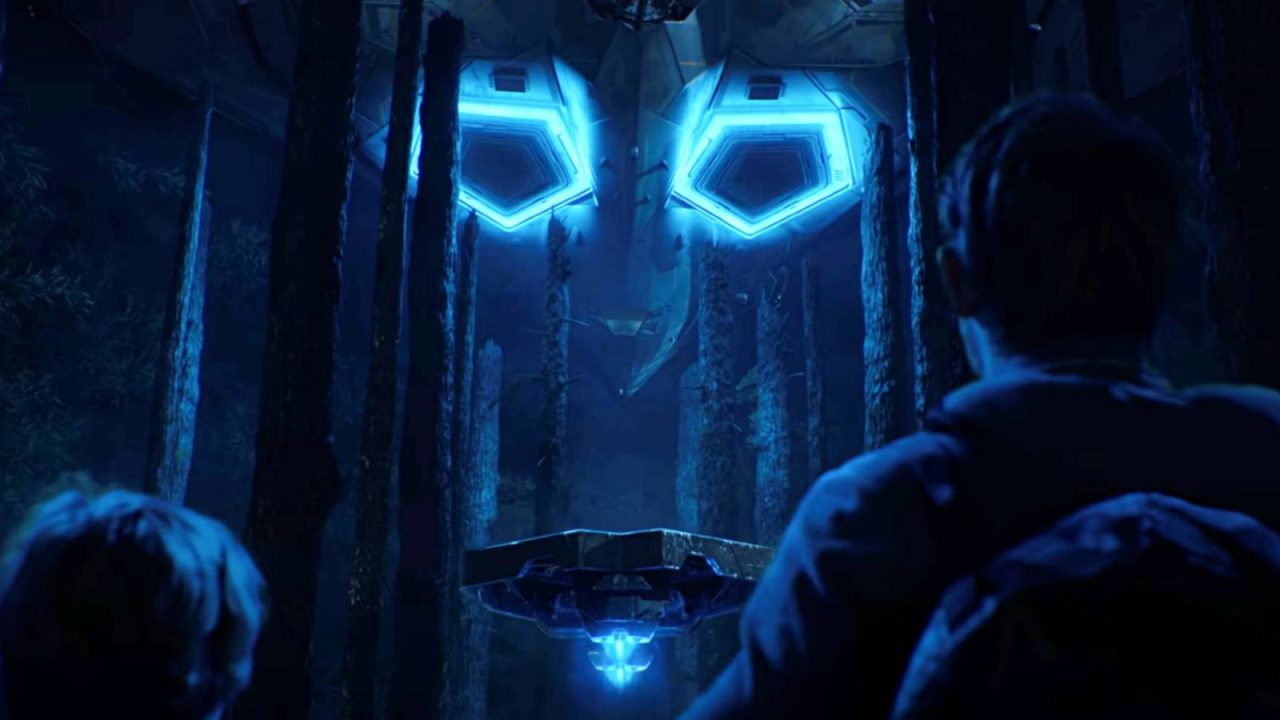
Netflix has built its reputation on ambitious storytelling, and one of its most celebrated sci-fi series stands as proof of what happens when a streaming platform pairs sharp writing with an exceptional ensemble cast. The anthology format — seven episodes, seven distinct stories, one unifying thread of technology gone wrong — has given the show a rare flexibility that most series never get to enjoy.
That flexibility also means the casting team gets to start fresh with every episode, drawing from a deep pool of talent rather than being locked into the same faces season after season. The result is something genuinely unusual in prestige television: a show where nearly every installment feels like its own small film, populated by actors who clearly understood the assignment.
The series in question is Black Mirror, Charlie Brooker’s long-running techno-dystopian anthology that has been a fixture on Netflix since the streaming giant acquired it. And while the show has had its ups and downs across its run, its best episodes consistently feature some of the most impressive casting decisions on the platform.
What Makes Black Mirror’s Cast So Remarkable
Most anthology series struggle with one fundamental problem: audiences don’t have a consistent character to follow, so the show lives or dies on whether each new cast can carry the weight of a fresh story in under an hour. Black Mirror has solved this problem repeatedly by recruiting actors who bring immediate credibility and emotional depth to roles they’ll only ever play once.
The anthology structure is, in many ways, a casting director’s dream. There’s no need to negotiate long-term contracts or worry about scheduling conflicts across multiple seasons. Each episode is a standalone opportunity, which means the show can attract major talent who might never commit to a full series run.
This approach has paid off across the show’s history, with the cast reading like a who’s-who of respected film and television actors spanning multiple generations and continents. The series has drawn from Hollywood, British television, and international cinema, giving it a genuinely global feel that matches its themes about technology’s universal reach.
The Anthology Format and Why It Attracts Top Talent
There’s a practical reason why acclaimed actors gravitate toward limited commitments like Black Mirror. A single episode shoot demands intense, focused work over a compressed timeline — more like making a short film than grinding through a network procedural. For actors who are selective about their projects, that proposition is genuinely appealing.
It also gives them creative range. Because each Black Mirror episode occupies its own self-contained world, an actor can play a villain in one installment and a sympathetic everyman in another, without the baggage of a character arc stretching across years. The show essentially offers a new creative experiment every time.
The writing helps too. Brooker’s scripts have always been known for giving characters real psychological complexity even within tight runtimes. That’s the kind of material actors talk about when they explain why they took a role.
Seven Episodes, Seven Chances to Get It Right
The seven-episode structure that defines the series’ Netflix run is worth examining on its own terms. Unlike traditional season orders of ten or more episodes, the tighter count forces every installment to earn its place. There’s no filler, no bottle episode designed to save budget for a finale. Each story has to land.
That pressure, paradoxically, seems to bring out strong performances. When an actor knows they have one episode and one episode only to make an impression, the stakes feel different. Viewers notice it too — Black Mirror episodes are routinely discussed individually, dissected and ranked, in a way that most serialized shows never experience.
| Format Feature | What It Means for the Show |
|---|---|
| Anthology structure | Fresh cast every episode, no recurring character commitments |
| Seven-episode run | No filler episodes; every story must justify its place |
| Self-contained narratives | Actors can take roles without long-term scheduling conflicts |
| High Rotten Tomatoes score | Critical validation that attracts prestige talent |
| Netflix global platform | Worldwide visibility for cast members across markets |
Critical Reception and What the Scores Actually Signal
Black Mirror’s strong Rotten Tomatoes score isn’t just a vanity metric — it functions as a signal to the industry. When a show maintains high critical approval across multiple seasons and dozens of episodes, it tells prospective cast members something important: this project is taken seriously by people whose opinions shape careers.
That critical standing also creates a feedback loop. Strong reviews attract better talent. Better talent produces stronger episodes. Stronger episodes generate more reviews and more cultural conversation. For a show built around provocative ideas about where technology is taking humanity, that conversation is the entire point.
Netflix’s global distribution amplifies this further. An actor appearing in a Black Mirror episode isn’t just reaching a domestic audience — they’re reaching subscribers in dozens of countries simultaneously, which changes the calculus of what a single episode appearance is actually worth professionally.
Why This Show Still Matters in the Streaming Landscape
Sci-fi anthology television isn’t a new concept — the format has roots stretching back decades through shows like The Twilight Zone. What Black Mirror has done is modernize that tradition for an era when the anxieties being explored feel immediate rather than speculative. The technology the show warns about isn’t distant future conjecture. Much of it is already in people’s pockets.
That relevance keeps audiences engaged, and engaged audiences keep the show alive. Netflix’s best series tend to share a quality: they make viewers feel like they’re watching something that actually matters. Black Mirror, at its best, delivers exactly that — and does it with a cast assembled to make every minute count.
Frequently Asked Questions
What is Black Mirror?
Black Mirror is a sci-fi anthology series originally created by Charlie Brooker, now streaming on Netflix, with each episode telling a standalone story exploring the dark side of technology.
How many episodes does the Netflix season have?
The series has a seven-episode structure for its Netflix run, with each episode functioning as a self-contained story with its own cast.
Why does Black Mirror have a different cast each episode?
Because it’s an anthology series, each episode tells a completely new story, allowing the show to cast fresh talent every installment rather than relying on recurring characters.
Does Black Mirror have a high Rotten Tomatoes score?
Yes, the series is noted for its strong critical reception on Rotten Tomatoes, which has contributed to its reputation as one of Netflix’s prestige sci-fi offerings.
Is Black Mirror still being made?
The show has continued to produce new episodes on Netflix, though specific details about future seasons beyond what has already been released have not been confirmed in the available source material.
Why do big-name actors appear in Black Mirror?
The anthology format offers actors a limited, high-profile commitment — essentially a standalone short film — with strong writing and global Netflix visibility, making it an attractive proposition for in-demand talent.


Leave a Reply