
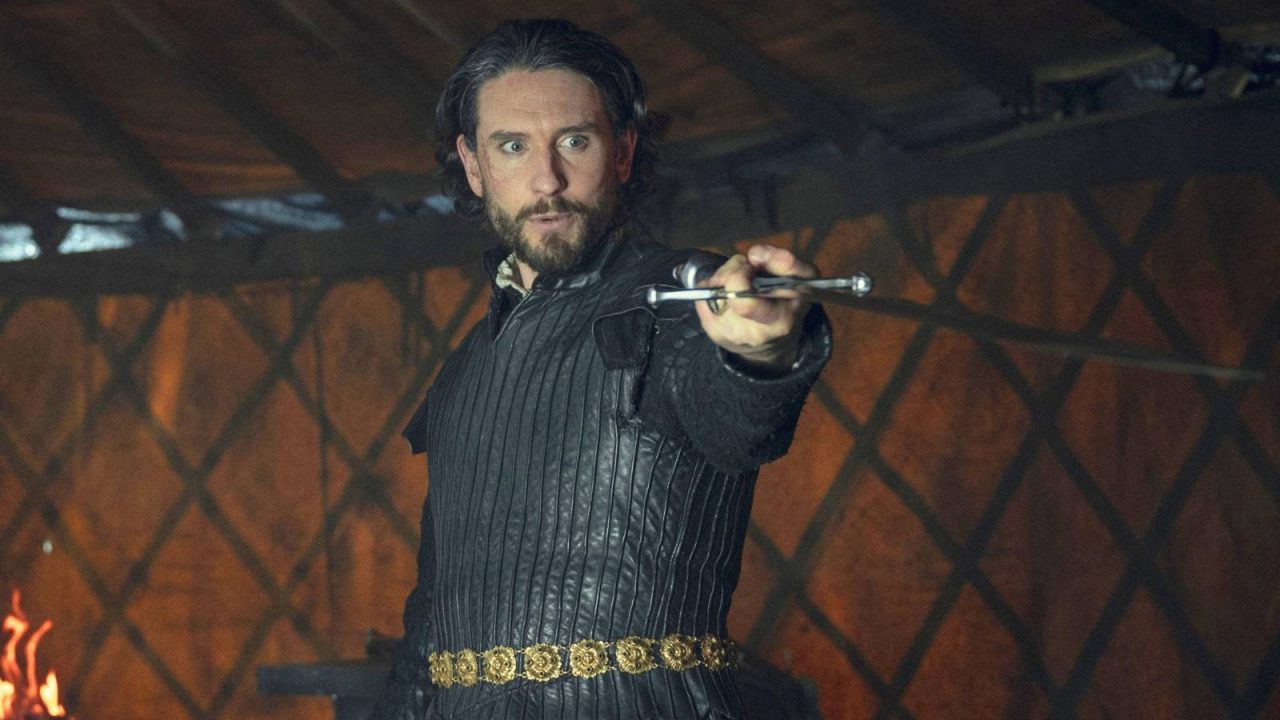
Netflix has quietly pulled off something that many fans of beloved fantasy properties assumed was nearly impossible: a live-action adaptation of a massively popular, deeply beloved manga and anime series that actually works. One Piece, the long-running Eiichiro Oda epic that has spent decades as one of the best-selling manga series of all time, has become Netflix’s number one action series — and its success raises an uncomfortable question for the streamer’s other high-profile fantasy adaptation.
If One Piece can crack the code on translating a wildly ambitious, tonally complex fantasy world to live-action, why has The Witcher struggled so visibly to do the same? The comparison isn’t flattering for one of them.
The conversation around fantasy adaptations on Netflix just got a lot more pointed — and One Piece Season 2 is the reason why.
Why One Piece’s Success Is Such a Big Deal
Adapting One Piece was, by almost any measure, considered a fool’s errand for years. It is exactly the kind of property that conventional wisdom said could never survive the translation to live-action without losing everything that made it special.
And yet, the Netflix adaptation has done exactly that. Season 1 earned strong reviews and — more importantly — connected with both longtime fans of That is a genuinely difficult balance to strike, and it is one that many big-budget fantasy adaptations have failed to achieve.
Season 2 has only reinforced that success, landing at the top of Netflix’s action category and demonstrating that the show’s first season was not a fluke. The creative team, working closely with Oda himself, built something that respects the source while making it accessible.
What One Piece Gets Right That The Witcher Gets Wrong
The contrast with The Witcher is hard to ignore. Netflix’s adaptation of Andrzej Sapkowski’s beloved fantasy series launched to significant fanfare, with Henry Cavill’s performance as Geralt of Rivia earning widespread praise. But behind the scenes, the show developed a reputation for straying from its source material in ways that frustrated the fanbase — and the tension between what the show was and what fans wanted it to be never fully resolved.
When Cavill departed after Season 3, citing creative differences widely reported to involve the show’s direction relative to Sapkowski’s books and the beloved CD Projekt Red games, it felt like a confirmation of concerns that had been building for years. Liam Hemsworth stepped into the role for Season 4, but the damage to audience trust was already significant.
One Piece, by contrast, made creator involvement a cornerstone of its production. Oda’s participation gave the adaptation a level of authenticity that The Witcher’s creative team never quite managed to establish — at least not in the eyes of its most passionate audience.
| Show | Source Material | Creator Involvement | Fan Reception | Current Status |
|---|---|---|---|---|
| One Piece (Netflix) | Eiichiro Oda’s manga | High — Oda directly involved | Strong across new and existing fans | Season 2 currently Netflix’s #1 action series |
| The Witcher (Netflix) | Andrzej Sapkowski’s novels | Limited | Mixed — significant fan frustration over departures from source | Lead actor replaced after Season 3 |
The Real Lesson Hidden Inside One Piece’s Rise
There is a temptation, when a beloved property gets adapted, for studios to treat The argument usually goes that what works on the page or screen in animation won’t work in live-action, and that creative liberties are necessary to make something that functions as television.
One Piece largely dismantles that argument. The show’s most celebrated quality is precisely how faithfully it captures the spirit of Oda’s work — the humor, the heart, the specific visual energy of characters who were designed to exist in a heightened, almost cartoonish world. Rather than filing off the weird edges to make the show more palatable to a general audience, the production leaned into them.
The Witcher’s path went in the opposite direction. A fantasy world with rich lore, morally complex characters, and a devoted fanbase was gradually steered away from the things that made it distinctive. The result was a show that satisfied neither the existing audience nor managed to fully define itself for new viewers.
What This Means for Fantasy Adaptations Going Forward
One Piece’s success is likely to influence how studios approach fantasy adaptations — or at least, it should. The evidence is now fairly clear that audiences are not simply looking for a vaguely familiar version of a property they love. They want the real thing, translated thoughtfully.
That does not mean every adaptation needs to be a panel-for-panel recreation of its source. But it does suggest that the instinct to “fix” beloved source material — to smooth out its quirks, modernize its tone, or distance the show from what made the original work — tends to backfire. One Piece succeeded in part because no one tried to make it something it wasn’t.
For The Witcher, with Season 4 on the horizon and a new lead actor still finding his footing in the role, that lesson may have arrived too late to fully apply. But the comparison is instructive regardless. Netflix has now demonstrated, with one of its own shows, that faithful and ambitious fantasy adaptation is entirely achievable. The Witcher’s struggles, in that light, look less like an industry-wide inevitability and more like a series of avoidable choices.
Frequently Asked Questions
Why is One Piece Season 2 significant for Netflix?
One Piece Season 2 has reached the top of Netflix’s action category, confirming that the live-action adaptation is a sustained success rather than a one-season curiosity.
How does One Piece’s adaptation differ from The Witcher’s approach?
One Piece has been developed with significant involvement from original creator Eiichiro Oda, while The Witcher has been widely criticized for straying from Andrzej Sapkowski’s source material in ways that frustrated fans.
Why did Henry Cavill leave The Witcher?
Cavill departed after Season 3, with widely reported reasons involving creative differences over the show’s direction relative to the source books and games. He was replaced by Liam Hemsworth.
Is The Witcher still continuing on Netflix?
Yes, The Witcher is continuing with Liam Hemsworth in the lead role for Season 4, though the show faces significant challenges rebuilding audience trust after Cavill’s departure.
What made One Piece so difficult to adapt as a live-action series?
Does creator involvement really make a difference in fantasy adaptations?
Based on the contrasting outcomes of One Piece and The Witcher on Netflix, the evidence strongly suggests that meaningful creator involvement helps adaptations maintain the qualities that made the original work beloved in the first place.

Leave a Reply