
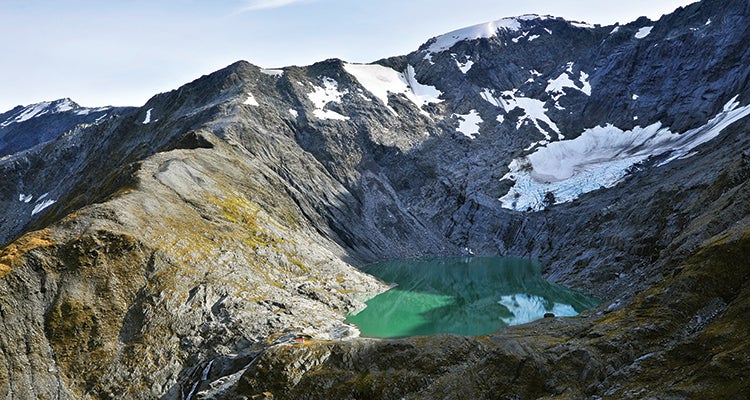
More than 323,000 overnight stays were recorded across New Zealand’s conservation-managed huts and campsites during the 2025–26 summer season — a figure that signals something bigger than a good year for camping. It points to a genuine, accelerating shift in how people want to travel.
Travellers are increasingly turning away from resort strips and curated tourist attractions. Instead, they’re heading into the backcountry — remote trails, wilderness huts, and conservation-managed landscapes that demand more effort but deliver something most polished destinations simply can’t: authentic stillness, physical challenge, and a real sense of place.
New Zealand, with its extraordinary network of wild terrain, appears to be perfectly positioned to meet that demand.
What’s Driving the Backcountry Boom in New Zealand
The numbers from the 2025–26 summer season reflect a broader global trend. Travellers — particularly those who have grown tired of overcrowded landmarks and passive sightseeing — are actively seeking experiences that combine physical activity, open space, and direct engagement with the natural world.
New Zealand’s conservation network, which manages huts and campsites across the country, recorded the surge across a wide range of regions. This wasn’t concentrated in one or two famous spots. Visitors spread across the country, from the rugged trails of Otago to the emerging wilderness destinations of Taranaki — regions that sit well outside the traditional tourist circuits.
That geographic spread matters. It suggests travellers are doing their research, seeking out less-visited areas, and actively choosing solitude over convenience. The backcountry, in other words, is no longer a niche pursuit — it’s becoming a mainstream preference for a growing segment of international and domestic visitors.
The Numbers Behind New Zealand’s Record Backcountry Season
The headline figure is striking on its own, but the context makes it more meaningful. These stays were recorded through conservation-managed infrastructure — huts and campsites that prioritise environmental sustainability and low-impact access to wilderness areas.
| Season | Total Overnight Stays | Key Regions Highlighted |
|---|---|---|
| 2025–26 Summer | 323,000+ | Otago, Taranaki |
While comparative figures from previous seasons were not included in available reporting, the stays have been described as unprecedented — a record surge that conservation managers and tourism observers are taking seriously as an indicator of long-term behavioural change among travellers.
Key characteristics of this trend include:
- A preference for open spaces and physical activity over passive tourism
- Growing interest in regions beyond traditional tourist circuits, including Otago and Taranaki
- Demand for solitude and authentic engagement with natural landscapes
- A shift toward sustainable, adventure-focused travel that aligns personal enrichment with environmental responsibility
- Visitors choosing conservation-managed infrastructure — huts and campsites — over conventional accommodation
Why This Trend Goes Beyond a Travel Fad
What makes this surge particularly significant is that it aligns with a documented global shift in travel values. Post-pandemic travellers have consistently shown a stronger appetite for meaningful, experience-driven trips — and the appetite doesn’t appear to be fading.
Sustainable tourism advocates have long argued that dispersing visitors across wider geographic areas reduces pressure on over-touristed hotspots and delivers economic benefit to communities that rarely see it. When travellers head into Taranaki’s wilderness rather than queuing at Milford Sound, the impact ripples outward in ways that benefit both the environment and regional economies.
There’s also something more personal at play. Backcountry travel — sleeping in a conservation hut, navigating remote trails, waking up to a landscape with no phone signal — offers something that a hotel room or guided bus tour fundamentally cannot. For a growing number of travellers, that difference is the entire point of the trip.
New Zealand’s natural assets — its scale, its diversity of terrain, and its well-maintained conservation network — make it unusually well-suited to absorb and support this kind of demand. The infrastructure exists. The landscapes exist. The challenge now is managing growth in a way that preserves the very qualities that make backcountry travel so compelling.
What This Means for Anyone Planning a New Zealand Trip
If you’re considering a trip to New Zealand and you’ve been drawn to the idea of something more immersive than a standard itinerary, the timing is worth noting. Demand for backcountry stays is at record levels, which means popular huts and campsites — particularly those within the conservation network — are likely to fill up faster than in previous years.
Regions like Otago have long been on serious trampers’ radars, but the emergence of Taranaki as a highlighted destination suggests that less conventional parts of the country are gaining real traction. For travellers who value quiet and space, that’s useful intelligence — getting ahead of the curve in a region before it becomes crowded is exactly the kind of planning that backcountry travel rewards.
Conservation-managed huts and campsites typically require advance booking during peak season. With overnight stays now exceeding 323,000 in a single summer season, early planning is more important than ever for anyone hoping to secure a spot in the backcountry.
Where New Zealand’s Backcountry Travel Goes From Here
The record numbers from the 2025–26 season are almost certainly not a ceiling. Global interest in nature-based, sustainable travel continues to grow, and New Zealand’s reputation as one of the world’s premier wilderness destinations gives it a structural advantage in attracting that demand.
The broader question for conservation managers and tourism planners is how to support that growth without degrading the backcountry experience that’s driving it in the first place. Managing visitor numbers, maintaining trail and hut infrastructure, and protecting ecological integrity will all become increasingly pressing priorities as the trend continues.
For now, the 323,000-plus overnight stays recorded this summer represent both a milestone and a signal — that travellers are voting with their boots, and the direction they’re heading is firmly into the wild.
Frequently Asked Questions
How many overnight stays were recorded in New Zealand’s backcountry during the 2025–26 summer season?
More than 323,000 overnight stays were recorded across New Zealand’s conservation-managed huts and campsites during the 2025–26 summer season.
Which regions of New Zealand saw notable backcountry interest?
Otago and Taranaki were specifically highlighted as regions attracting visitors beyond the traditional tourist circuits.
What type of accommodation does this figure cover?
The 323,000-plus stays were recorded through New Zealand’s network of conservation-managed huts and campsites, not conventional hotels or lodges.
Is this considered a record number of backcountry stays?
Yes — available reporting describes the surge as unprecedented, reflecting a clear shift in visitor preferences toward outdoor and nature-based travel.
What is driving the increase in backcountry travel in New Zealand?
The trend reflects a growing global appetite for sustainable, adventure-focused tourism that prioritises open spaces, physical activity, solitude, and authentic engagement with natural landscapes.
Should travellers book backcountry huts in advance?
Given that demand is at record levels, early booking is strongly advisable for anyone planning to use conservation-managed huts or campsites during peak season.



Leave a Reply