
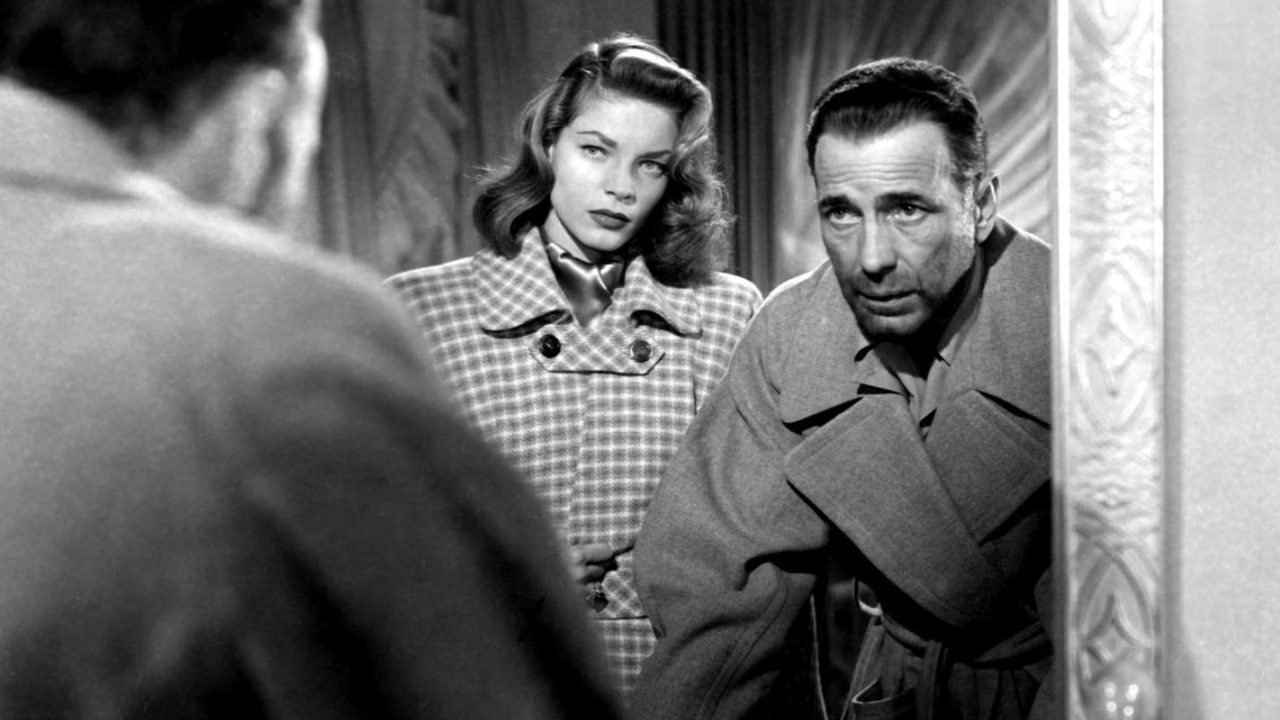
Film noir is one of cinema’s most enduring and beloved genres — a world of rain-slicked streets, moral ambiguity, and shadows that seem to swallow entire lives whole. The greatest noir films are considered near-perfect masterpieces by critics and cinephiles alike, films that came breathtakingly close to flawless execution of tone, story, and style.
But what makes a noir film rise to that level? And which titles deserve to be talked about in the same breath as the genre’s undisputed classics? These are questions film lovers have debated for decades, and the answers reveal just as much about the genre’s enduring power as they do about individual films.
What Makes a Noir Film a Near-Masterpiece?
The term “film noir” was coined by French critics in the 1940s to describe a cycle of dark, stylistically distinctive American crime films. The genre is defined by its visual language — high-contrast black-and-white cinematography, deep shadows, skewed camera angles — as well as its thematic preoccupations: fate, corruption, desire, and the failure of the American dream.
A near-masterpiece in this genre typically means a film that achieves almost everything it sets out to do. The atmosphere is suffocating in the best possible way. The performances are razor-sharp. The screenplay crackles. But somewhere — in pacing, in a narrative loose end, in a studio-mandated ending — something falls just short of absolute perfection.
That gap between “near-perfect” and “perfect” is actually part of what makes these films so fascinating to revisit. They carry the weight of what might have been alongside the genuine brilliance of what is.
The Golden Age of Noir and Its Most Celebrated Films
Classic film noir flourished roughly between the early 1940s and the late 1950s, with Hollywood producing some of its most atmospheric and psychologically complex work during this period. Films from this era established the template that every subsequent crime thriller, neo-noir, and prestige drama has drawn from in some way.
Several films from this period are consistently cited by film historians and critics as sitting just below the genre’s absolute pinnacle — close enough to perfection that the distinction feels almost academic, but distinct enough that the conversation remains alive and worth having.
Below is a look at some of the most widely recognized near-masterpieces of the noir genre, drawing on the films’ established critical reputations and historical significance:
| Film | Year | Director | Why It’s Considered Near-Perfect |
|---|---|---|---|
| Double Indemnity | 1944 | Billy Wilder | Razor-sharp screenplay, iconic performances, definitive noir atmosphere |
| Out of the Past | 1947 | Jacques Tourneur | Widely regarded as one of the purest expressions of noir style and fatalism |
| The Big Heat | 1953 | Fritz Lang | Relentless tension and moral complexity; occasionally cited for uneven pacing |
| Touch of Evil | 1958 | Orson Welles | Stunning cinematography and performance; famously troubled production history |
| Chinatown | 1974 | Roman Polanski | Neo-noir masterwork; considered by many critics to be essentially flawless |
Why These Films Still Matter Today
The enduring appeal of noir masterpieces — and near-masterpieces — goes beyond nostalgia. These films grapple with themes that feel as urgent now as they did when they were made: institutional corruption, the seductive danger of moral compromise, and the way ordinary people can be destroyed by forces larger than themselves.
For modern audiences, watching a film like Out of the Past or Touch of Evil isn’t an exercise in film history. It’s an experience. The craft on display — the way a director like Orson Welles could build dread through a single unbroken camera move, or the way a screenplay could make villainy feel genuinely seductive — holds up in ways that transcend the era in which these films were made.
Neo-noir films have kept the tradition alive across subsequent decades, with filmmakers from the 1970s through today returning again and again to the genre’s core grammar. The influence of classic noir can be felt in everything from Blade Runner to L.A. Confidential to Knives Out.
The Difference Between a Classic and a Near-Masterpiece
It’s worth pausing on what separates a film that is genuinely perfect from one that is merely extraordinary. In the noir genre, that line is often drawn by factors outside a filmmaker’s full control — studio interference with endings, production compromises, or simply the limits of what was possible within the studio system of the era.
Touch of Evil, for instance, is a film Orson Welles himself famously felt had been compromised by studio editing. A restored version released in 1998, based on Welles’s own detailed memo, gave audiences a closer look at what he originally intended — and many critics consider that version to be something very close to a masterpiece in its own right.
These stories of near-misses and what-ifs are part of what keeps film noir endlessly compelling as a subject of study and debate. Every near-masterpiece carries within it the ghost of the perfect film it almost became.
Frequently Asked Questions
What is film noir?
Film noir is a genre of crime film that emerged in the 1940s, characterized by dark visual style, morally complex characters, and themes of fate, corruption, and desire.
What separates a near-masterpiece from a true classic?
Near-masterpieces typically fall just short of perfection due to factors like studio interference, pacing issues, or narrative loose ends — even when the overall quality is extraordinarily high.
When was the golden age of film noir?
Classic film noir is generally considered to have flourished between the early 1940s and the late 1950s, primarily within the Hollywood studio system.
Is neo-noir the same as classic noir?
Neo-noir films draw heavily on the style and themes of classic noir but are made in later decades, often updating the genre’s conventions for contemporary settings and sensibilities.
Which noir films are most often cited as near-perfect?
Films like Double Indemnity, Out of the Past, Touch of Evil, and Chinatown are among those most frequently discussed as near-masterpieces of the genre by critics and historians.
Was Touch of Evil ever restored to its original form?
A restored version of Touch of Evil was released in 1998, based on a detailed memo Orson Welles had written about his original intentions for the film’s editing and structure.



Leave a Reply