
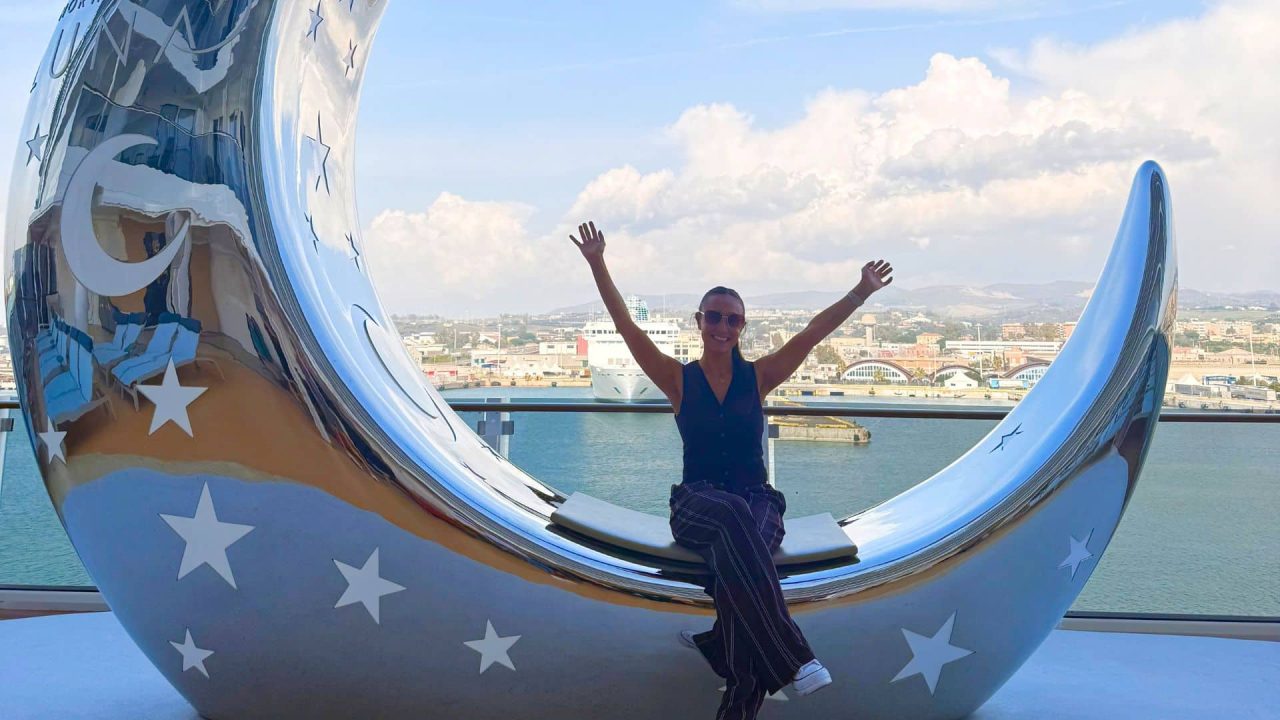
The cruise industry is rethinking what a ship is actually for — and the answer, increasingly, is not just getting somewhere. It is about what happens while you are at sea.
Norwegian Cruise Line Holdings is advancing a new design philosophy through its upcoming ship concept associated with Norwegian Luna, positioning the vessel as a floating resort built around immersive lifestyle experiences rather than traditional ocean transit. The shift reflects a broader transformation sweeping the global cruise sector, where passengers are arriving with expectations that go well beyond ports of call and buffet lines.
If the ambitions behind Norwegian Luna are any indication, the era of the cruise ship as a simple transport vessel may be effectively over.
Why the Cruise Industry Is Rethinking Ship Design From the Ground Up
For decades, cruise ships were evaluated on size, speed, and the number of destinations they could reach. Passengers booked voyages for the itinerary. The ship itself was largely a means to an end.
That calculus is changing. Cruise tourism analysts and maritime observers have noted a consistent pattern: modern passengers increasingly want emotional engagement, personalised comfort, and curated onboard activities. The destination still matters, but the journey has become the product.
Norwegian Cruise Line Holdings is responding to this shift directly. The design philosophy tied to Norwegian Luna treats every moment at sea as a potential travel memory. Interior layouts, entertainment zones, and communal spaces are being conceived around storytelling through design — the idea that a ship’s physical environment should evoke feeling, not just function.
Cruise tourism boards and maritime regulators, including government-linked tourism authorities in major cruise destinations, have consistently underlined the importance of sustainable and passenger-centric tourism as the industry scales up. Norwegian Luna’s concept appears to be a direct response to both commercial demand and that broader regulatory direction.
What Experience-Led Cruise Design Actually Means for Passengers
The phrase “experience-led travel” gets used loosely in the tourism industry, but in the context of Norwegian Luna’s design approach, it carries specific implications for how a ship is built and programmed.
Rather than maximising cabin count or entertainment square footage for its own sake, the focus is on how spaces flow, how they feel, and how they connect passengers to a sense of place — even when that place is the open ocean. The emphasis is on:
- Immersive lifestyle experiences woven into the ship’s physical layout
- Personalised comfort as a design priority, not an add-on
- Curated onboard activities that create meaningful engagement
- Entertainment zones designed around storytelling rather than spectacle alone
- Interior design that communicates a coherent identity and emotional atmosphere
This is a departure from the maximalist approach that dominated cruise ship design through much of the 2000s and 2010s, when ships competed primarily on scale — the biggest waterslide, the most restaurants, the tallest atrium. Norwegian Luna’s philosophy suggests the next competitive frontier is depth of experience, not breadth of amenity.
Where Norwegian Luna Fits in the Wider Industry Shift
Norwegian Cruise Line Holdings is not alone in sensing this shift. The broader cruise industry has been moving toward experience-driven models, with multiple lines repositioning their fleets and newbuild programmes to emphasise lifestyle, wellness, and curated programming.
What makes the Norwegian Luna concept notable is the degree to which experience appears to be built into the ship’s foundational design rather than layered on as a marketing afterthought. The difference matters: a ship designed from the hull up around passenger emotional experience will feel fundamentally different from one that adds a yoga deck to an otherwise conventional layout.
| Design Priority | Traditional Cruise Approach | Norwegian Luna Philosophy |
|---|---|---|
| Core purpose | Transport and destination access | Immersive onboard lifestyle experience |
| Interior design focus | Capacity and efficiency | Storytelling and emotional atmosphere |
| Entertainment strategy | Scale and variety | Curated, meaningful engagement |
| Passenger expectation | Sightseeing and relaxation | Personalised, memorable travel moments |
| Sustainability alignment | Compliance-driven | Passenger-centric and sustainability-informed |
What This Means for Anyone Planning a Cruise
For travellers considering an ocean voyage, the Norwegian Luna concept signals something practical: the onboard experience itself is becoming a serious reason to choose one ship over another — separate from where the ship is going.
Advocates of this model argue that passengers who previously dismissed cruising as passive or impersonal may find experience-led ships more compelling. The proposition is that a well-designed floating resort can deliver the kind of emotional richness that travellers typically associate with boutique hotels or destination retreats.
For existing cruise fans, the shift means ships are likely to feel more intentional — less like a floating shopping mall and more like a curated environment with a distinct personality. Whether that translates into higher ticket prices remains an open question, but premium experience positioning typically does carry a cost premium in the travel sector.
What Comes Next for Norwegian Luna and Luxury Ocean Travel
The Norwegian Luna concept is still being associated with an upcoming ship rather than a vessel already in service. Specific launch dates, confirmed technical specifications, and detailed itinerary plans have not been formally announced in available reporting at this stage.
What is clear is that Norwegian Cruise Line Holdings is staking a meaningful position in the experience-driven segment of the market — and that the design philosophy behind Norwegian Luna is intended to signal a longer-term direction for the company, not a single novelty vessel.
The cruise industry’s transformation toward lifestyle-led, passenger-centric design is already underway across multiple lines. Norwegian Luna, as a concept, represents one of the more deliberate articulations of where that transformation may lead — and for travellers who have written off cruising as not quite their style, it may be worth watching closely.
Frequently Asked Questions
What is Norwegian Luna?
Norwegian Luna is an upcoming ship concept from Norwegian Cruise Line Holdings built around an experience-led design philosophy that prioritises immersive lifestyle experiences over traditional cruise ship functions.
What does “experience-led” cruise design mean in practice?
It means the ship’s interior layouts, entertainment zones, and communal spaces are designed to create emotional engagement and personalised comfort, rather than simply maximising capacity or amenity count.
When will Norwegian Luna launch?
A specific launch date has not been confirmed in available reporting at this stage. The vessel is currently associated with an upcoming concept rather than a confirmed delivery timeline.
How is Norwegian Luna different from existing cruise ships?
The key difference is that experience and storytelling through design are built into the ship’s foundational concept, rather than added on top of a conventional cruise ship structure.
Is sustainability part of Norwegian Luna’s design approach?
Will Norwegian Luna cost more to sail on than a standard cruise?
This has not yet been confirmed. However, experience-led and premium-positioned travel products typically carry a higher price point in the broader travel sector.


Leave a Reply