
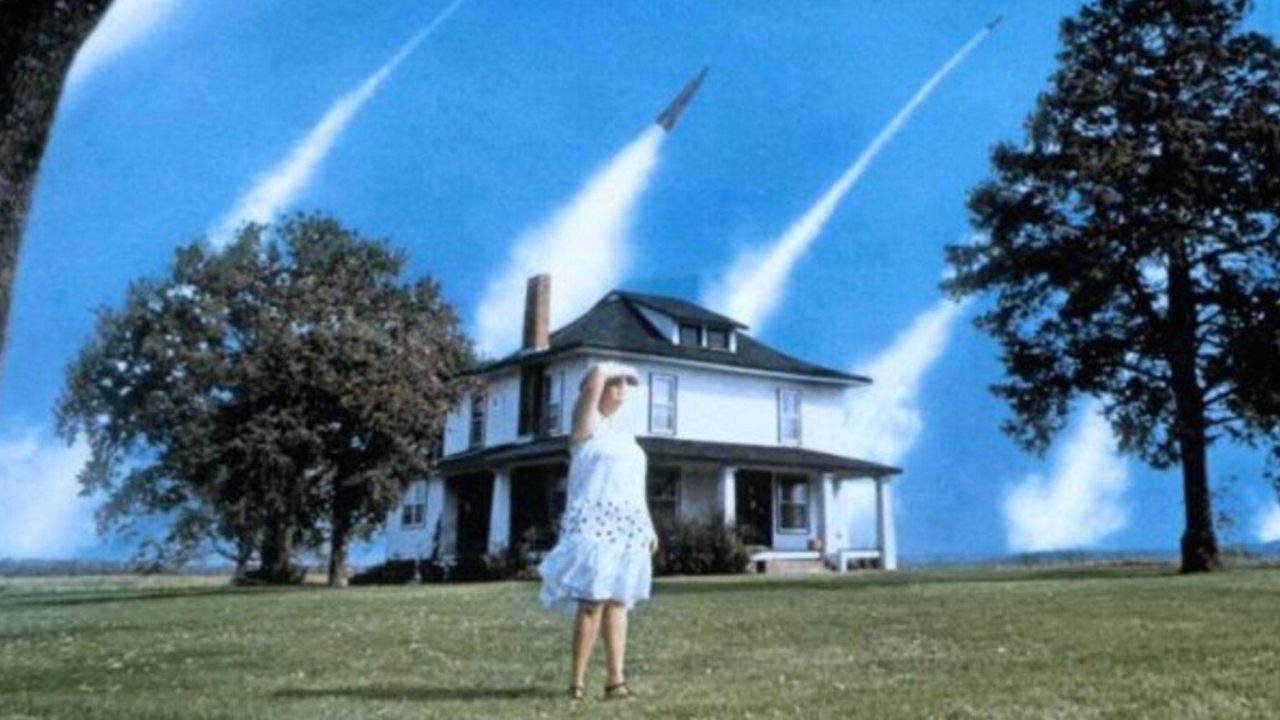
Few subjects in cinema hit harder than nuclear war — and that’s exactly the point. The best films about atomic conflict don’t just entertain; they burrow under your skin and stay there, forcing you to sit with the unbearable reality of what nuclear weapons actually mean for human life on this planet.
The topic has drawn filmmakers for decades, from the Cold War era through the present day, and the resulting films range from pitch-black satire to harrowing documentary-style drama. Some are almost impossible to watch a second time. That’s not a flaw — it’s a feature.
With global tensions keeping nuclear anxiety firmly in the cultural conversation, interest in this genre has never felt more relevant. Here’s a look at what makes nuclear war films such a distinct and important category of cinema, and what the most intense examples of the genre have in common.
Why Nuclear War Films Hit Different From Other War Movies
Most war films, however brutal, carry some thread of heroism, strategy, or human agency. Nuclear war films strip all of that away. There are no front lines to hold, no tactical retreats, no moments where individual courage changes the outcome. That helplessness is what separates the genre from virtually everything else in cinema.
The best films in this space understand that the real horror isn’t the explosion — it’s everything that comes after. Radiation sickness. Social collapse. The slow erosion of what makes people human when survival becomes the only priority. Filmmakers who grasp that tend to make the most lasting work in the genre.
There’s also something uniquely modern about nuclear anxiety. Unlike many historical threats, nuclear weapons still exist in enormous quantities. That gives these films a weight that purely historical war dramas don’t carry. You’re not watching something that happened — you’re watching something that could still happen.
What the Most Intense Nuclear War Movies Have in Common
Across the genre, certain qualities tend to separate the truly intense nuclear war films from those that merely use atomic conflict as a backdrop. The films that genuinely disturb viewers tend to share a few key traits:
- Unflinching realism — The most affecting films refuse to soften the physical and psychological consequences of nuclear weapons, presenting radiation, burns, and societal breakdown without Hollywood gloss.
- Focus on ordinary people — Rather than centering military commanders or political leaders, the most intense films follow civilians caught in something they have no power to stop or escape.
- Absence of resolution — Unlike conventional disaster films, the best nuclear war movies rarely offer redemption arcs or tidy endings. The bleakness is the point.
- A refusal to look away — These films earn their intensity by committing fully to their subject matter, even when — especially when — it becomes deeply uncomfortable to watch.
- Political and moral seriousness — The strongest entries in the genre treat nuclear war as a failure of human systems, not just a natural disaster, and ask who is responsible.
The Range of Approaches Filmmakers Have Taken
One of the most striking things about nuclear war cinema is how varied the approaches are, even when the subject matter is so extreme. Stanley Kubrick’s Dr. Strangelove or: How I Learned to Stop Worrying and Love the Bomb turned the apocalypse into savage comedy, arguing that the logic driving nuclear policy was itself a form of collective madness. It remains one of the sharpest political satires ever made.
At the opposite end of the emotional spectrum, films like the British television drama Threads and the American TV film The Day After took a documentary-style approach, depicting nuclear war and its aftermath with a deliberate, grinding realism that reportedly left audiences traumatized. Threads in particular is widely considered one of the most disturbing films ever made — a reputation it has more than earned.
Japanese cinema has contributed some of the most emotionally devastating work in the genre, shaped by the lived national memory of Hiroshima and Nagasaki. Films emerging from that tradition carry a moral authority that no other national cinema can quite replicate on this subject.
Why These Films Still Matter — and Who They’re For
Nuclear war films are not easy viewing, and they’re not designed to be. They exist to make the abstract concrete — to take a geopolitical concept and translate it into human bodies, human grief, and human consequences. That’s a genuinely valuable function for art to perform.
For viewers who want to understand why nuclear disarmament advocates argue so urgently, or why the phrase “nuclear deterrence” carries such moral weight, these films provide something that policy papers and news articles cannot: an emotional reality check.
They’re also, in many cases, extraordinarily well-made. The genre has attracted serious filmmakers precisely because the subject demands seriousness. The result is a body of work that is both historically significant and cinematically ambitious.
| Film | Approach | Country of Origin | Tone |
|---|---|---|---|
| Dr. Strangelove (1964) | Political satire | UK/USA | Dark comedy |
| Threads (1984) | Documentary-style drama | UK | Harrowing realism |
| The Day After (1983) | TV drama | USA | Sobering realism |
| On the Beach (1959) | Post-apocalyptic drama | USA | Melancholic, resigned |
| Grave of the Fireflies (1988) | Animated drama | Japan | Devastating emotional realism |
Note: The films listed above represent well-documented examples within the nuclear war and atomic conflict film genre, drawn from general critical knowledge of the category rather than a specific ranked list confirmed in
What to Watch — and How to Prepare Yourself
If you’re new to this genre, it’s worth approaching with some intentionality. These are not films to put on as background viewing. The most intense nuclear war movies demand your full attention — and they will take something from you in return. That’s not a reason to avoid them. It’s a reason to take them seriously.
Starting with Dr. Strangelove gives you the intellectual framework of the genre without the full emotional devastation. From there, working toward something like Threads or The Day After gives you a complete picture of how cinema has grappled with humanity’s most dangerous invention.
The films that stay with you longest are rarely the ones that make nuclear war look exciting. They’re the ones that make it look exactly like what it would be: an ending.
Frequently Asked Questions
What makes a nuclear war film “intense” compared to other war movies?
Nuclear war films tend to focus on helplessness, civilian suffering, and the absence of any heroic resolution — qualities that set them apart from conventional combat films where individual agency still matters.
Are nuclear war films based on real events?
Most are fictional scenarios, though some draw on the documented experiences of Hiroshima and Nagasaki survivors, and others were directly inspired by real Cold War close calls and geopolitical tensions.
Is Threads really as disturbing as people say?
The 1984 British television film has a long-standing reputation as one of the most psychologically devastating films ever made, and that reputation is widely supported by critics and viewers alike.
Why did Japan produce some of the most powerful films in this genre?
Japan’s national experience of the atomic bombings of Hiroshima and Nagasaki in 1945 gives Japanese filmmakers a direct cultural and historical connection to nuclear destruction that shapes the emotional authority of their work.
Is Dr. Strangelove considered a nuclear war film even though it’s a comedy?
Yes — it is widely regarded as one of the defining films about nuclear conflict precisely because its satirical approach exposes the absurdity and danger of nuclear policy more effectively than many straightforward dramas.
Are these films suitable for younger viewers?
Most of the most intense films in this genre contain graphic depictions of death, injury, and societal collapse, and are generally not appropriate for children or younger teenagers without parental guidance.



Leave a Reply