
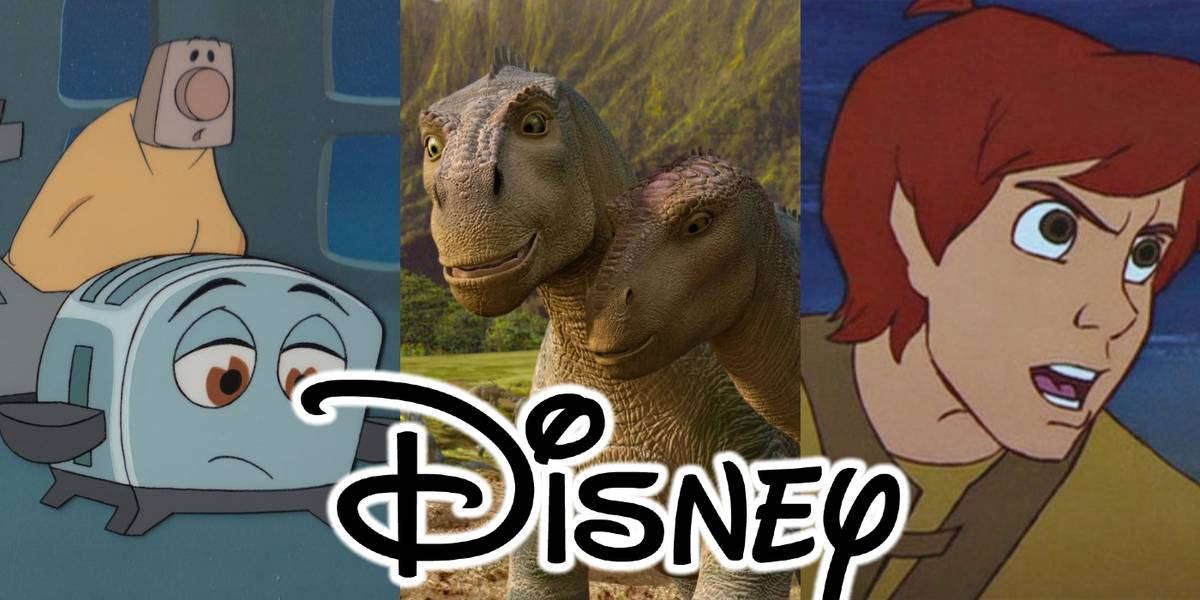
Disney has produced hundreds of films over nearly a century — and not all of them get the celebration they deserve. While The Lion King, Frozen, and Beauty and the Beast dominate conversation, a surprising number of genuinely excellent Disney movies have quietly slipped out of the cultural spotlight.
Some were overshadowed by bigger releases. Some arrived at the wrong moment in history. Others simply never got the marketing push they needed. But forgotten doesn’t mean bad — and in several cases, these films are close to brilliant.
Here’s a look at Disney movies that deserve a second glance, films that came remarkably close to perfect but somehow never made it into the permanent conversation.
Why Some Great Disney Films Get Left Behind
Disney’s catalog is enormous, and the studio has always operated in a hits-driven culture. When a film doesn’t immediately connect at the box office or generate massive merchandise revenue, it tends to fade — even if critics and audiences who did see it loved it.
The so-called Disney Renaissance of the late 1980s and 1990s cast a long shadow. Films that arrived just before or just after that golden era often get overlooked simply because they weren’t part of the moment. The same applies to films released during transitional periods in the studio’s history, when Disney was experimenting with tone, animation style, or storytelling format.
The result is a deep catalog full of films that are technically accomplished, emotionally resonant, and genuinely well-made — but rarely mentioned when people list their Disney favorites.
The Films That Deserve to Be Remembered
Based on the source topic, these are the kinds of Disney films that tend to fall into the “near-perfect but forgotten” category — movies that earned strong creative reputations without ever breaking into the mainstream consciousness the way the studio’s biggest hits did.
What they tend to share is a combination of strong craftsmanship, emotional depth, and a willingness to take creative risks that didn’t always translate into broad commercial success. They weren’t failures — they were simply unlucky in timing, marketing, or cultural moment.
- Strong animation quality that holds up decades later
- Memorable scores or soundtracks that rarely get discussed alongside the studio’s most celebrated music
- Genuinely complex storytelling for what are often labeled “kids’ movies”
- Voice performances that brought real emotional weight to animated characters
- Themes that resonate differently — and often more powerfully — when revisited as an adult
These qualities are exactly what make rediscovering them feel rewarding rather than nostalgic. They weren’t coasting on charm. They were genuinely trying to do something.
What Sets a “Near-Perfect” Film Apart from a Classic
There’s an important distinction between a film being good and a film being remembered. Disney’s most enduring classics — the ones that get Broadway adaptations, live-action remakes, and theme park rides — achieved something beyond quality. They became cultural shorthand. They embedded themselves into the way people talk about childhood, family, and storytelling.
The films that fall into the “near-perfect but forgotten” category often match those classics technically. The gap isn’t in craft — it’s in cultural penetration. Nobody turned them into a franchise. Nobody put them on a lunchbox. And so, over time, they faded.
That fading is worth pushing back against, especially as streaming platforms make it easier than ever to access Disney’s full catalog.
| What Makes a Disney Film “Forgotten” | What Makes a Disney Film a “Classic” |
|---|---|
| Limited merchandise and franchise extensions | Major merchandise, sequels, or remakes |
| Released during a transitional era for the studio | Part of a celebrated creative period |
| Modest box office performance at release | Strong opening weekend and long theatrical run |
| Rarely referenced in popular culture | Embedded in mainstream cultural memory |
| Strong critical reception but limited audience reach | Both critically and commercially dominant |
Why Now Is the Right Time to Revisit These Films
Streaming has fundamentally changed how people engage with back catalogs. Disney+ gives subscribers access to decades of the studio’s output, which means films that never got a second life in theaters or on home video now have a genuine chance at rediscovery.
There’s also a growing appetite among audiences — particularly adults who grew up with Disney — for films that hold up emotionally and thematically, not just visually. The nostalgia economy tends to focus on the biggest hits, but viewers willing to go deeper often find that the less-celebrated films reward that curiosity.
A film doesn’t need to have been a box office phenomenon to be worth your time. Some of the most carefully made, emotionally honest work in Disney’s history sits quietly in the middle of the catalog, waiting to be found.
The Broader Pattern Worth Paying Attention To
What this conversation really points to is something larger about how we collectively remember entertainment. Cultural memory is selective and often unfair. The films we talk about most aren’t always the best ones — they’re frequently just the loudest, the most marketed, or the most perfectly timed.
Disney’s forgotten near-masterpieces are a reminder that quality and recognition don’t always travel together. The studio has produced genuinely excellent work that deserves more attention than it gets, and the easiest way to honor that is simply to watch it.
Pull up something from the back catalog this weekend. You might be surprised by what you find.
Frequently Asked Questions
What makes a Disney movie “forgotten” even if it was well-made?
A film can be technically excellent but still fade from cultural memory if it didn’t generate major merchandise, sequels, or franchise extensions — or if it was released during a transitional period for the studio when audience attention was focused elsewhere.
Are these forgotten Disney films available to watch today?
Many films from Disney’s full catalog are available on Disney+, making it easier than ever to rediscover titles that didn’t get wide attention during their original theatrical runs.
Is there a specific era of Disney films most likely to be overlooked?
Films released just before or just after celebrated creative periods — like the Disney Renaissance of the late 1980s and 1990s — tend to be overshadowed by the films that defined those eras, even when their quality is comparable.
Does a film’s box office performance determine whether it’s remembered?
Box office success plays a significant role in cultural longevity, but it isn’t the only factor. Marketing, timing, franchise potential, and cultural moment all contribute to whether a film stays in public conversation over time.
Why do adults often appreciate these overlooked Disney films more than children did?
Many of the films in this category tackled complex themes or took creative risks that weren’t always accessible to younger audiences at the time — themes that tend to resonate more deeply when revisited with adult perspective.


Leave a Reply