
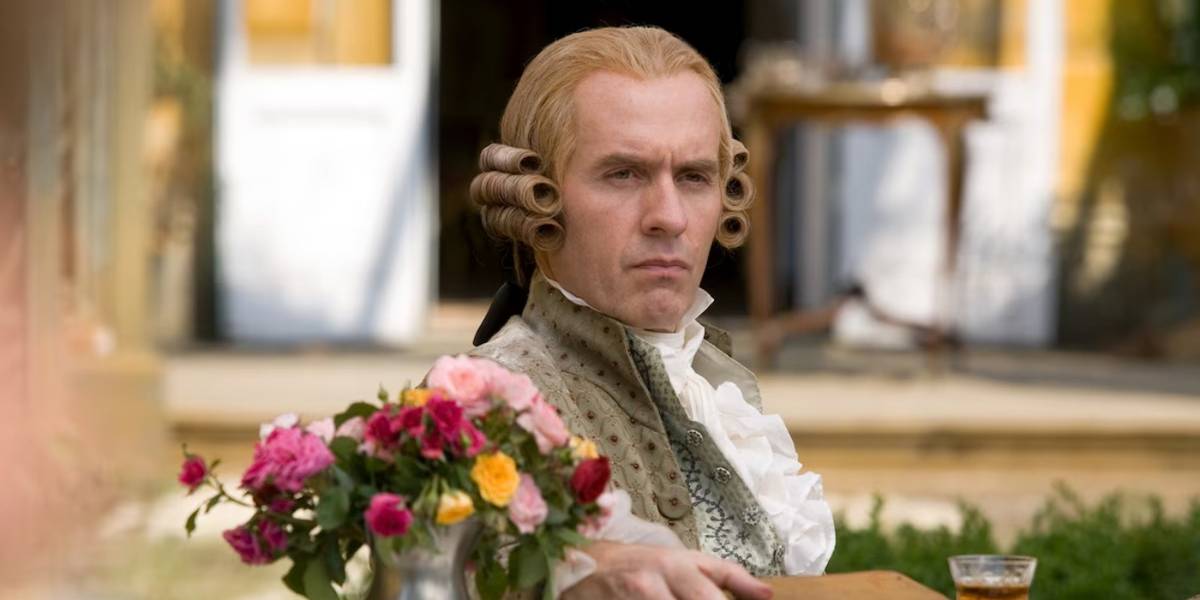
Some television series age like fine wine — and HBO’s John Adams, the seven-part historical miniseries that first aired in 2008, is one of the clearest examples of prestige TV done right. Nearly two decades after its debut, the show continues to hold up as one of the most carefully crafted pieces of historical drama ever produced for American television.
At a moment when streaming platforms are flooding the market with limited series of wildly uneven quality, it’s worth pausing to ask: what made John Adams so good, and why does it still matter?
The answer has less to do with spectacle and more to do with something rarer — a genuine commitment to character, history, and the kind of slow-burn storytelling that rewards patient viewers.
What John Adams Actually Is — and Why It Still Resonates
John Adams is an HBO miniseries that dramatizes the life of America’s second president, from his early years as a Massachusetts lawyer through the founding of the nation and into his retirement. It aired in 2008, meaning the show is now 18 years old — old enough that many viewers who were children when it premiered are now adults encountering it for the first time on streaming platforms.
The series is based on David McCullough’s Pulitzer Prize-winning biography of the same name, which gave the production a foundation of serious historical research to draw from. That source material matters. It meant the writers weren’t inventing drama from scratch — they were translating a deeply researched account of a genuinely complicated man into visual storytelling.
What distinguishes John Adams from lesser historical dramas is its refusal to flatten its subject into a monument. Adams is shown as stubborn, brilliant, insecure, principled, and occasionally infuriating — a full human being rather than a marble statue.
The Gold Standard of HBO Historical Drama
HBO has a long history of producing prestige television that sets the benchmark for the medium — The Wire, The Sopranos, Band of Brothers. John Adams sits comfortably in that company, though it sometimes gets overlooked in conversations about the network’s greatest achievements.
Part of what makes the miniseries format work so well here is structure. Seven episodes allow the story to breathe across decades of Adams’s life without the narrative bloat that can sink a full multi-season series. Each episode covers a distinct chapter — from the Revolutionary era to the presidency to old age — giving the show an almost novelistic quality.
The production design is another element that holds up remarkably well. Period-accurate costumes, locations, and cinematography give the series a texture that feels lived-in rather than theatrical. It never looks like a theme park version of the 18th century.
A Closer Look at the Series Structure
| Episode Number | Focus Era | Key Historical Period |
|---|---|---|
| 1 | Pre-Revolution | Adams as a Boston lawyer |
| 2 | Continental Congress | Push for American independence |
| 3 | Diplomatic Years | Adams in Europe as a diplomat |
| 4 | Vice Presidency | The early American republic |
| 5 | Presidency | Adams as the second U.S. president |
| 6 | Late Presidency | Political conflict and the XYZ Affair era |
| 7 | Retirement and Death | Adams in old age, death on July 4, 1826 |
This structure gives the miniseries a sweep that few historical dramas manage — you genuinely feel the passage of time, the weight of age, and the cost of a life spent in public service.
Why This Show Hits Differently Right Now
There’s something almost counterintuitive about the renewed interest in John Adams at this particular moment. American political history feels acutely relevant to contemporary audiences in ways that make a careful, nuanced portrait of the founding era feel less like a history lesson and more like a mirror.
The show doesn’t offer easy heroes or simple villains. Adams’s relationship with Thomas Jefferson — a friendship, rivalry, and eventual reconciliation that spans decades — is one of the most emotionally resonant threads in the series. It captures something true about how people who disagree profoundly can still share fundamental commitments, even when those commitments pull them in opposite directions.
That kind of moral complexity is exactly what separates enduring television from content that disappears after a single news cycle.
What Makes It Near-Perfect — and Where It Falls Short
No series is entirely without flaws, and John Adams is occasionally slow to the point of testing even sympathetic viewers. Some historical figures feel underwritten compared to Adams and his wife Abigail, whose relationship is the emotional core of the entire series.
But those are minor complaints against a body of work that gets the big things right. The performances are committed, the writing respects the audience’s intelligence, and the show never loses sight of the human story beneath the historical pageant.
For viewers who haven’t seen it yet, or who watched it as teenagers and haven’t returned since, John Adams is worth the time. All seven episodes. No skipping.
Frequently Asked Questions
How many episodes does John Adams have?
The HBO miniseries consists of seven episodes, each covering a different chapter of John Adams’s life from his pre-Revolutionary years through his death.
When did John Adams first air on HBO?
The miniseries premiered in 2008, making it approximately 18 years old as of 2026.
What is John Adams based on?
The series is based on David McCullough’s Pulitzer Prize-winning biography of the same name, which provided the historical foundation for the drama.
Is John Adams still available to watch?
The series has been available on streaming platforms, though viewers should check current availability on HBO Max or other services, as streaming libraries change over time.
Why is John Adams considered prestige television?
The series is widely regarded as prestige TV because of its high production values, serious historical sourcing, complex characterization, and its place alongside other acclaimed HBO productions of the same era.
How does John Adams compare to other HBO historical dramas?
Critics and viewers often place it alongside HBO titles like Band of Brothers as one of the network’s strongest examples of historical miniseries storytelling, though it is sometimes overlooked in broader conversations about the network’s legacy.



Leave a Reply