
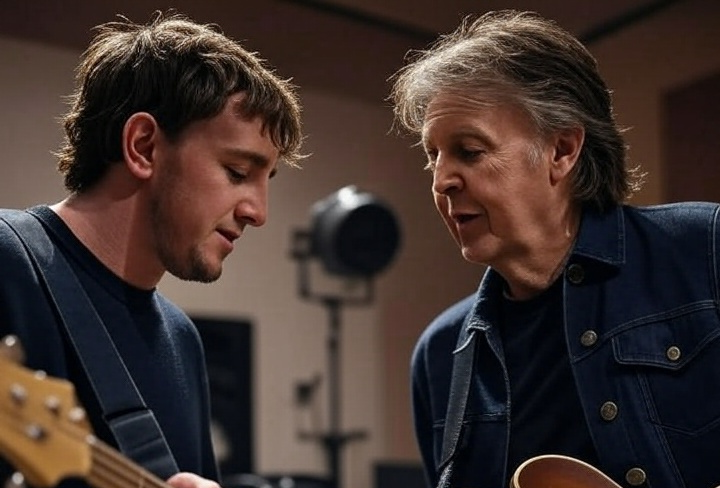
Something unexpected is happening on music streaming and discovery platforms in 2026: classic rock is surging back, and the data behind it is hard to ignore. Songs by The Beatles and David Bowie are registering among the most-searched tracks on Shazam, the song-identification app that serves as one of the most reliable real-time barometers of what people are actually listening to — not just what algorithms are pushing at them.
This isn’t nostalgia in the passive, background-music sense. People are hearing these songs somewhere — in a shop, on a TV show, at a bar — and reaching for their phones to find out what it is. That’s active curiosity. That’s a new audience discovering old music on its own terms.
The trend raises a genuine question: in a streaming era dominated by hyper-produced pop and algorithm-driven playlists, why are guitar-driven tracks from the 1960s and 1970s breaking through in 2026?
Why Classic Rock Is Trending on Shazam Right Now
Shazam data is particularly telling because it captures organic discovery. Unlike a playlist stream or a radio play, a Shazam search means someone heard a song they didn’t recognize and wanted to know more. When classic rock tracks consistently appear in those trending searches, it signals genuine discovery — often by younger listeners who weren’t alive when these songs were first released.
The Beatles and David Bowie are leading that wave in 2026. Both artists have maintained cultural visibility through films, documentaries, and licensing deals over the years, but the current spike suggests something broader is happening — a renewed appetite for music with weight, craft, and a sound that cuts through digital noise.
Observers of the trend have noted that younger generations, particularly Gen Z listeners, have shown a consistent and growing interest in catalog music — older recordings that have stood the test of time. Classic rock, with its emphasis on live instrumentation and songwriting, offers something distinctly different from the polished, loop-based production that dominates current charts.
What the Data Actually Tells Us
The Shazam trending data for 2026 points to a broader pattern in how people are engaging with music history. Rather than a single viral moment driving one song up the charts, the trend reflects multiple Beatles and Bowie tracks appearing consistently across the platform’s trending lists — a sustained wave rather than a one-off spike.
This kind of sustained trending is significant. A single song can go viral because of a TikTok clip or a TV sync. Multiple tracks from the same artists trending over time suggests that listeners are going deeper — searching one song, then actively seeking out more.
| Artist | Era | Platform Presence in 2026 | Discovery Driver |
|---|---|---|---|
| The Beatles | 1960s–1970s | Trending on Shazam | Organic listener discovery |
| David Bowie | 1970s–1980s | Trending on Shazam | Organic listener discovery |
| Classic Rock (broad) | 1960s–1980s | Category-wide surge | Streaming, sync, and cultural rediscovery |
The table above reflects what the Shazam trend data broadly indicates — that this isn’t isolated to one act or one song. Classic rock as a category is experiencing a measurable moment of renewed listener interest heading into 2026.
The Bigger Picture: Why This Matters for Music in 2026
The music industry has spent years wrestling with a catalog versus new music tension. Major labels have poured enormous resources into acquiring old recordings precisely because catalog music generates reliable, long-term revenue. The Shazam data suggests those investments are paying off in an unexpected way — not just in passive streaming revenue, but in active new-listener discovery.
For artists like The Beatles and David Bowie, this represents something beyond commercial performance. It’s cultural transmission — the passing of a musical legacy to listeners who are finding it fresh, without the weight of nostalgia that older fans bring to it.
There’s also a broader cultural conversation happening around authenticity in music. As AI-generated tracks and heavily processed productions become more common, some listeners are actively seeking out music that sounds unmistakably human. Few things sound more human than John Lennon’s voice or Bowie’s chameleonic range — and Shazam searches suggest people are finding their way back to exactly that.
What This Means for Listeners — and the Artists Who Follow Them
For everyday music fans, the trend is an invitation. If you haven’t explored The Beatles’ catalog beyond the obvious hits, or if you’ve only ever heard Bowie’s “Heroes” in a film trailer, 2026 might be the year the algorithm finally stops being the only guide to what you listen to.
For working musicians and the industry watching these numbers, the signal is equally clear. Listeners are hungry for songs that hold up — tracks built around melody, dynamics, and genuine emotion rather than trend-chasing production. Classic rock’s Shazam surge is as much a critique of the present as it is a celebration of the past.
Streaming platforms and playlist curators are already paying attention to catalog surges like this. When organic discovery data moves, editorial teams follow — which means more classic rock is likely to surface in recommended listening across major platforms in the months ahead.
What Comes Next for Classic Rock’s 2026 Momentum
Trends on discovery platforms don’t always translate into sustained mainstream chart performance, but they do shape what gets licensed, what gets playlisted, and what gets introduced to new audiences through film and television. The Beatles and Bowie are already among the most-licensed catalogs in history — any uptick in organic listener interest only strengthens the case for more of that placement.
Whether this marks the beginning of a longer classic rock renaissance or a moment that peaks and recedes remains to be seen. But the Shazam data from early 2026 is a clear signal: a new generation is picking up the phone, hearing something that moves them, and asking — who is this?
The answer, increasingly, is the same artists who were making the best music of the last century. That’s not a coincidence. That’s quality finding its audience again.
Frequently Asked Questions
Which artists are trending most on Shazam in 2026?
According to the reported data, The Beatles and David Bowie are among the biggest classic rock acts registering trending searches on Shazam in 2026.
Why is classic rock suddenly popular again?
The trend appears driven by organic listener discovery — people hearing these songs in public or on screens and actively searching to identify them, rather than being pushed the music by an algorithm.
Does Shazam data reflect real listener interest?
Shazam searches are considered a strong indicator of genuine discovery because they require an active choice by the listener, unlike passive playlist streams.
Is this trend limited to The Beatles and Bowie, or is it broader?
The reported trend points to classic rock as a broader category experiencing renewed interest, with The Beatles and Bowie leading as the most prominent examples in the 2026 data.
Could this influence what gets playlisted on streaming services?
Historically, organic discovery surges on platforms like Shazam do influence editorial playlist decisions at major streaming services, though specific platform responses to this trend have not yet been confirmed.
Are younger listeners driving this classic rock resurgence?
The nature of Shazam discovery — identifying unfamiliar songs — strongly suggests that at least part of the audience finding these tracks is encountering them for the first time, which points toward younger listeners.

Leave a Reply