
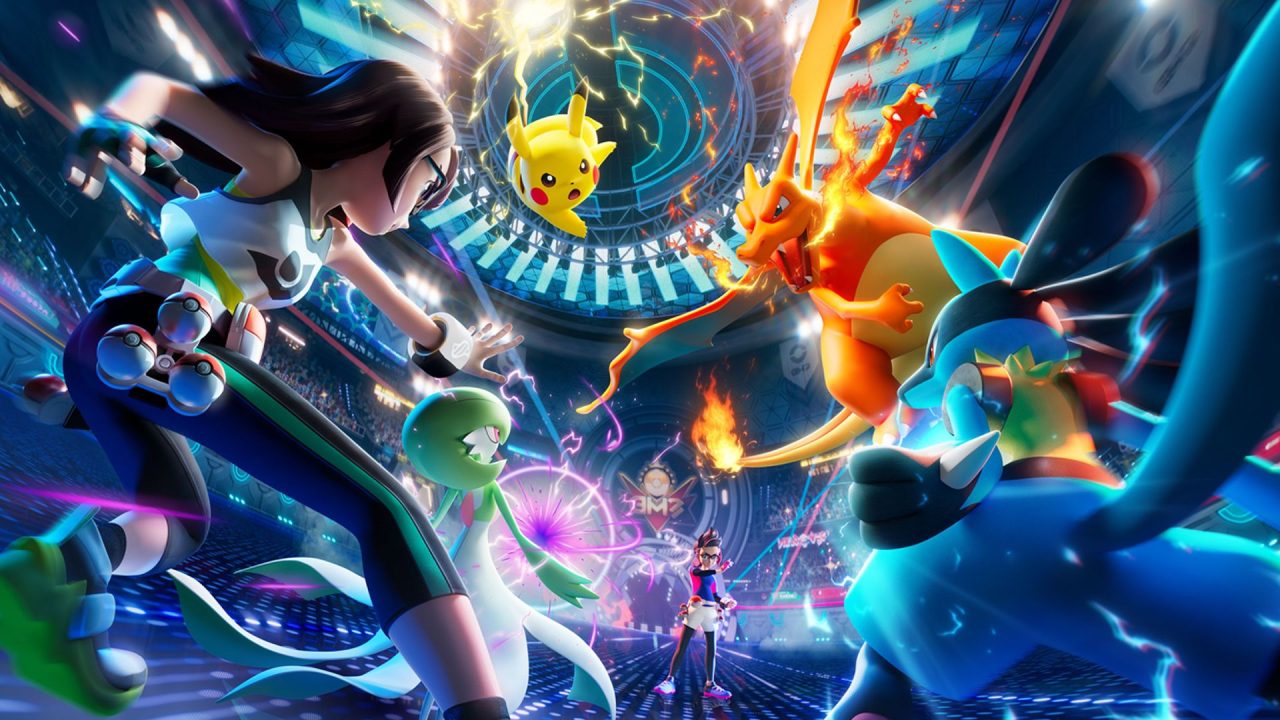
Few franchises have inspired as much passionate debate as Pokémon — and no generation within it has had a stranger journey from divisive launch to beloved classic than Pokémon Black and White. What was once criticized by a vocal segment of the fanbase as a bold misstep is now widely regarded as one of the series’ greatest achievements.
That kind of reputation reversal doesn’t happen often in gaming. It takes something genuinely special — or genuinely misunderstood — to pull it off.
So what exactly happened? How did a generation that sparked real controversy at release end up being celebrated as the high point of an entire franchise? The answer says as much about how fanbases evolve as it does about the games themselves.
Why Pokémon Black and White Were So Controversial at Launch
When Pokémon Black and White released for the Nintendo DS — Black and White in 2010 in Japan and 2011 in Western markets, followed by sequels Black 2 and White 2 in 2012 — the reaction from longtime fans was genuinely mixed.
The biggest source of friction was a deliberate design decision by Game Freak: the Unova region would feature only brand-new Pokémon until post-game content was unlocked. No Pikachu. No Eevee. No familiar faces from the original 151. For players who had grown up with those creatures, it felt like a statement — and not everyone received it warmly.
Critics within the fanbase also took aim at some of the new Pokémon designs, arguing that entries like Vanilluxe (an ice cream cone) or Garbodor (a pile of garbage) were uninspired compared to the elegant simplicity of Generation 1. The discourse got heated enough that it left a mark on how the generation was perceived for years.
But underneath all of that noise was something the series had rarely attempted before: a genuinely mature, character-driven story.
What Made Pokémon Black and White Actually Different
Strip away the controversy and what you find in Black and White is a Pokémon game that was willing to ask uncomfortable questions. The central antagonist, N, isn’t simply a villain with a plan to take over the world. He’s a character with a coherent ideology — one that challenges the very premise of Pokémon itself.
N argues that keeping Pokémon in Poké Balls and forcing them to battle is a form of exploitation. He believes trainers and Pokémon should be separated for the good of both. For a franchise built entirely around the concept of catching and training creatures, that’s a remarkably self-aware narrative choice.
The story doesn’t present this as cartoonish villainy. It forces the player to actually engage with the argument. Team Plasma, the game’s antagonist organization, operates more like a morally complex political movement than a typical criminal gang. The result is a storyline that resonated with older players in a way few Pokémon games had managed before.
Add to that a cast of rivals and gym leaders with real personality, and Black and White delivered a narrative experience that stood apart from anything the mainline series had done up to that point.
The Numbers and Design Achievements That Still Hold Up
Beyond the story, Black and White made meaningful contributions to the series on a mechanical and creative level. Here’s a look at some of the key facts that define the generation:
| Feature | Detail |
|---|---|
| New Pokémon introduced | 156 — the largest single-generation addition since Generation 1 |
| Region | Unova, inspired by New York City |
| Original release (Japan) | 2010 |
| Western release | 2011 |
| Sequels | Black 2 and White 2 (2012) — direct sequels, not third versions |
| Platform | Nintendo DS |
The decision to introduce 156 new Pokémon while locking out previous generations was a creative gamble. It forced players to genuinely learn and bond with new creatures rather than defaulting to fan favorites — which, in hindsight, many players credit with giving Unova its distinct identity.
- The Unova region’s New York City inspiration gave it an urban, cosmopolitan feel unlike previous regions
- Black 2 and White 2 were direct sequels set two years later — a first for the mainline series
- The games featured fully animated Pokémon sprites in battle, a visual step forward for the DS era
- N remains one of the most discussed and analyzed characters in Pokémon history among fans
- The seasonal mechanic and rotating content added replay value rarely seen in the series
How Fan Opinion Shifted Over Time
The rehabilitation of Black and White’s reputation didn’t happen overnight. It built gradually as the fanbase grew up and subsequent generations of Pokémon games arrived — some of which drew their own criticisms around story depth, regional design, and creative ambition.
By comparison, Black and White began to look ahead of their time. The story that once felt “too serious” for a Pokémon game started to look like exactly what the series needed. Players who had been children during the original release revisited the games as adults and found layers they had missed the first time.
The conversation around N in particular took on new life online, with fan communities regularly revisiting his arc as a benchmark for what Pokémon storytelling could achieve. Nostalgia played a role, as it always does — but nostalgia alone doesn’t explain the consistency of praise from critics and players alike.
There’s also the simple fact that the Pokémon designs that were once mocked have found genuine defenders. The argument that Vanilluxe or Garbodor are “bad” designs has largely given way to a more nuanced appreciation of what Game Freak was attempting with Unova’s creature roster.
What Black and White’s Legacy Means for the Franchise Now
The ongoing reappraisal of Pokémon Black and White matters beyond nostalgia. It’s a live conversation about what Pokémon games can and should aspire to be — and it puts pressure on future entries to match that standard.
As the franchise continues to expand across new hardware and new formats, Black and White stand as evidence that taking creative risks and trusting players with a real story can pay off, even if the initial reception is rocky. The generation that was once the most controversial is now the one most often held up as proof of what Pokémon is capable of.
That’s a remarkable turnaround — and one that the franchise’s most passionate fans seem determined to make sure isn’t forgotten.
Frequently Asked Questions
Why were Pokémon Black and White controversial when they first released?
The games locked out all previous Pokémon until post-game content, forcing players to use only new Unova creatures. Some fans also criticized certain new Pokémon designs as uninspired.
What makes the story of Black and White stand out from other Pokémon games?
The main antagonist N presents a genuine ideological challenge to the premise of Pokémon itself, arguing that training and battling creatures is exploitative — giving the game a narrative depth unusual for the series.
How many new Pokémon were introduced in Generation 5?
Black and White introduced 156 new Pokémon, the largest single-generation addition to the roster since the original Generation 1.
What region is featured in Pokémon Black and White?
The games are set in the Unova region, which was inspired by New York City and gave the games a distinctly urban atmosphere compared to previous entries.
Did Black and White receive direct sequels?
Yes — Pokémon Black 2 and White 2 were released in 2012 and are set two years after the original games, making them the first direct sequels in the mainline Pokémon series.
Are Black and White considered the best Pokémon games now?
Among a significant portion of the fanbase and many critics, Black and White are now widely regarded as among the best the series has produced, particularly for their storytelling and creative ambition — though opinions across the broader community still vary.

Leave a Reply