
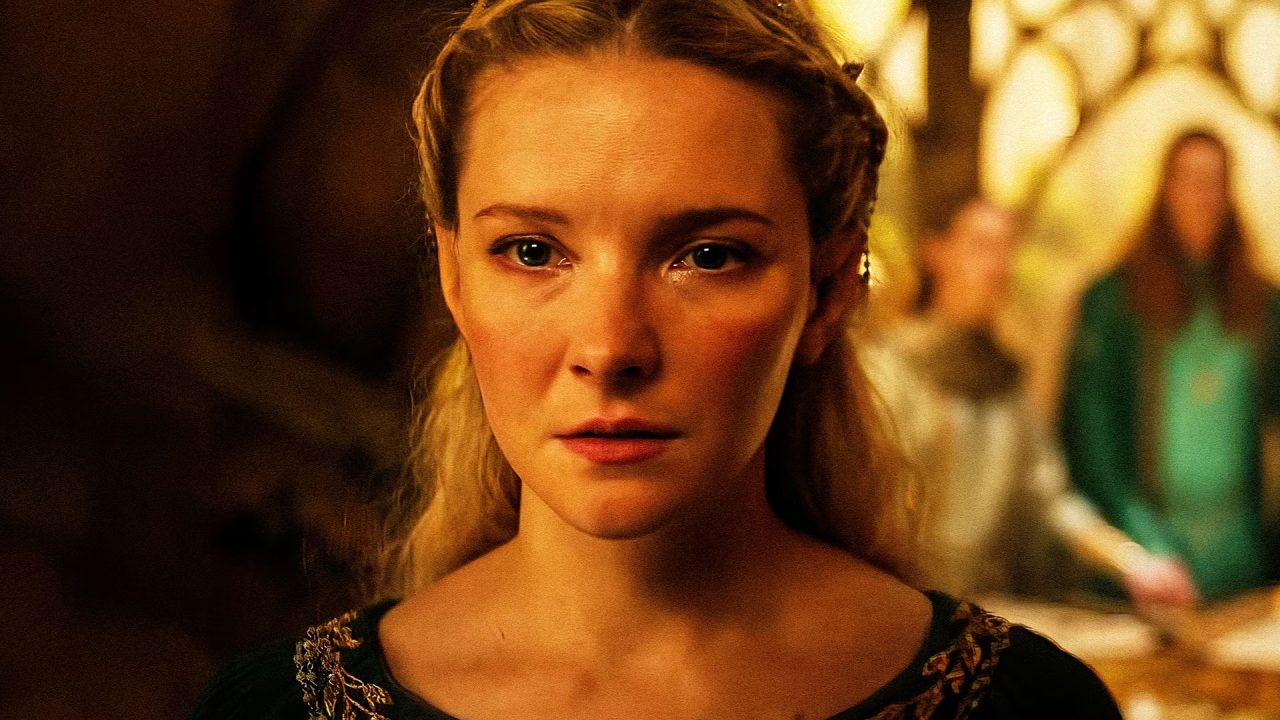
Prime Video has spent billions trying to own the fantasy television space — but one of its own shows may have contained every warning it needed before The Rings of Power ever went into production.
The Wheel of Time, the streamer’s three-season adaptation of Robert Jordan’s beloved book series, has drawn consistent criticism for how it handles sprawling source material, complex world-building, and the pressure of satisfying both longtime fans and new audiences simultaneously. Those are, of course, the exact same challenges that have defined — and in many critics’ eyes, undermined — The Rings of Power since its debut.
The fact that both shows exist on the same platform, adapted from two of the most expansive fantasy universes ever created, makes the comparison not just interesting but genuinely worth examining. What went wrong, what was ignored, and why does it keep mattering to viewers?
Two Massive Fantasy Worlds, One Streaming Platform, Similar Problems
Robert Jordan’s Wheel of Time series spans 14 novels and a prequel, with a level of lore density that rivals Tolkien. When Prime Video committed to adapting it, the scale of the task was never in question. What became clear over three seasons, however, was how difficult it is to compress that kind of mythology into episodic television without losing the texture that makes
The same criticism has followed The Rings of Power from its first season. J.R.R. Tolkien’s Second Age — the historical period the show draws from — is itself sparsely documented in Tolkien’s writings, meaning the showrunners had more creative freedom than Wheel of Time did, but also less of a roadmap. Both approaches carry risk, and both shows have faced significant audience pushback as a result.
What critics and fans have pointed to repeatedly is a pattern: when streaming platforms adapt beloved fantasy properties at enormous expense, the pressure to appeal broadly can strip away the specific qualities that made those properties beloved in the first place.
What The Wheel of Time’s Three Seasons Actually Revealed
Across its run, The Wheel of Time has been praised for its production design and cast performances while being criticized for pacing issues, deviations from
These are not minor complaints from purists. Pacing and narrative compression directly affect whether a general audience — one that has never read a single Jordan novel — can follow and invest in the story. When a show loses both its existing fanbase and struggles to build a new one, the structural problems run deeper than any single creative decision.
The concern is that The Rings of Power has faced an almost identical critical trajectory, suggesting that Prime Video may not have internalized the lessons its own fantasy slate was already generating.
The Pattern Both Shows Share
Looking at the two series side by side, several common threads emerge that go beyond coincidence:
- Source material tension: Both shows struggle to balance fidelity to beloved source texts against the demands of visual, episodic storytelling.
- World-building overload: Introducing vast casts, complex histories, and multiple narrative threads simultaneously has created accessibility problems for both series.
- Fan reception divide: Both shows have passionate defenders and equally passionate critics, often dividing along lines of book familiarity versus newcomer experience.
- Expensive production, uncertain narrative payoff: High budgets have delivered visually impressive results in both cases, but spectacle alone has not been enough to quiet story-level concerns.
- Adaptation choices under scrutiny: Specific changes made for television — character alterations, timeline shifts, invented storylines — have drawn sustained criticism in both productions.
Why This Comparison Matters Beyond Fan Debate
| Series | Source Material | Seasons Produced | Core Criticism |
|---|---|---|---|
| The Wheel of Time | Robert Jordan’s 14-novel series | 3 | Pacing, source deviation, narrative compression |
| The Rings of Power | Tolkien’s Second Age appendices | 2+ | World-building overload, fan reception divide, adaptation choices |
This isn’t simply a matter of fans being unhappy that their favorite books were changed. The broader issue is what these shows signal about how streaming platforms approach prestige fantasy at scale.
When a platform has an in-house example of what can go wrong — three seasons of documented audience and critical friction — and then proceeds to repeat comparable structural choices on an even larger budget with an even more iconic property, the question of institutional learning becomes legitimate. Did the people greenighting and shaping The Rings of Power watch what was happening with The Wheel of Time and adjust accordingly? The evidence, based on the critical conversation both shows have generated, suggests the answer is complicated at best.
For viewers, this matters because it speaks to something larger than any single show. It’s about whether streaming platforms treat audience trust — particularly the trust of deeply invested fan communities — as something worth protecting, or simply as an opening-weekend metric to be chased and then managed.
What Comes Next for Both Series
Both shows remain active parts of Prime Video’s fantasy portfolio. The Wheel of Time has completed three seasons, while The Rings of Power continues forward. Whether either series can course-correct in ways that satisfy the criticisms leveled against them remains an open question — one that the platform’s own track record makes genuinely hard to answer with confidence.
What is clear is that the fantasy television landscape is unforgiving. Audiences have more options than ever, their expectations have been shaped by decades of both excellent and disappointing adaptations, and the margin for repeating known mistakes is narrowing. The blueprint for what not to do was already on Prime Video’s own servers. Whether it gets used is another matter entirely.
Frequently Asked Questions
What is The Wheel of Time on Prime Video?
It is a fantasy television series adapted from Robert Jordan’s 14-novel book series, produced by Prime Video and spanning three seasons.
How many seasons of The Wheel of Time have been made?
Three seasons of the show have been produced as of the time of this reporting.
What are the main criticisms of The Wheel of Time adaptation?
Critics and fans have pointed to pacing problems, deviations from
How does The Wheel of Time relate to The Rings of Power?
Both are large-scale fantasy adaptations produced by Prime Video, and both have faced similar criticisms around world-building, source material fidelity, and audience reception.
Is The Rings of Power based on a book series?
It draws primarily from the appendices of J.R.R. Tolkien’s writings covering the Second Age of Middle-earth, rather than a single novel or series.

Leave a Reply