
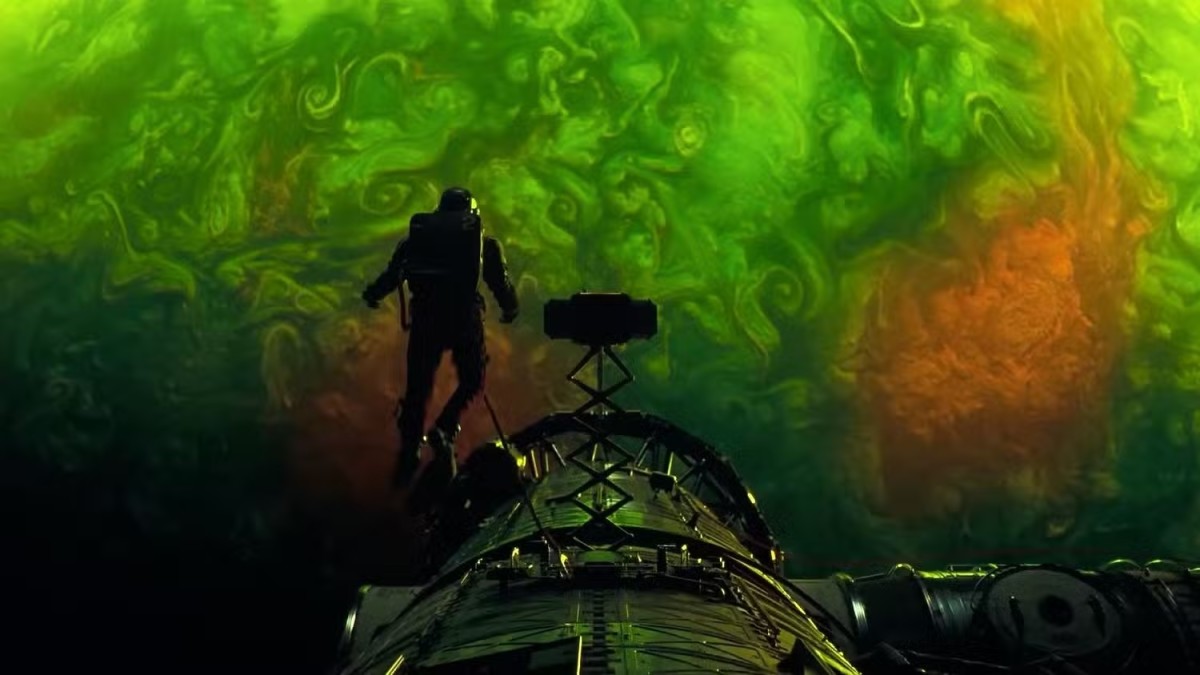
Science fiction has a long and frustrating history of turning brilliant novels into disappointing films — and 2026’s Project Hail Mary is already generating serious buzz for apparently bucking that trend in a way that matters to fans of the genre.
Project Hail Mary may represent a genuine turning point for science fiction cinema — a rare adaptation that preserves the scientific depth, emotional complexity, and alien relationship that make the source novel extraordinary, proving studios don’t have to strip out a book’s soul to make it work on screen.
The film, based on Andy Weir’s beloved 2021 novel of the same name, has been one of the most anticipated science fiction adaptations in years. And early conversation around it suggests it may be doing something rare: actually honoring what made “
That’s a bigger deal than it might sound. The history of science fiction adaptations is littered with cautionary tales — books that were adored by millions, turned into movies that stripped out the very elements readers loved most.
The Sci-Fi Adaptation Curse Is Very Real
Anyone who reads science fiction seriously knows the anxiety that comes with hearing a favorite book is being adapted for the screen. The genre has produced some of the most intellectually rich storytelling in modern literature — and Hollywood has a complicated relationship with that richness.
The problem isn’t usually talent or budget. It’s that the qualities that make great sci-fi novels work on the page — slow-burn scientific problem-solving, interior monologue, unconventional narrative structures, alien communication that defies easy dramatization — are exactly the things studios tend to cut first when trying to appeal to the widest possible audience.
⚠ The Pattern to Watch For: A film that keeps the plot skeleton of a beloved book but removes its soul. The science gets dumbed down. The wonder gets replaced with action set pieces. The emotional complexity gets compressed into a third-act speech. Fans of the genre know this formula — and its damage — all too well.
The result is a pattern fans recognize immediately: a film that keeps the plot skeleton of a beloved book but removes its soul. The science gets dumbed down. The wonder gets replaced with action set pieces. The emotional complexity gets compressed into a third-act speech.
Project Hail Mary, according to early discussion, appears to be breaking that pattern — and doing so in what observers are calling spectacular fashion.
What Makes Project Hail Mary Different
The story of Project Hail Mary centers on astronaut Ryland Grace, who wakes up alone on a spacecraft with no memory of how he got there — and gradually pieces together that he is humanity’s last hope against an extinction-level threat to Earth’s sun.
What made the novel extraordinary wasn’t just its premise. It was the way author Andy Weir built genuine scientific curiosity into the narrative, and — most remarkably — the relationship that develops between Grace and an alien entity he encounters. That relationship, which unfolds through the challenge of two completely different species learning to communicate with each other, is widely considered the emotional and intellectual heart of the book.
“The relationship between Grace and an alien entity — built around the challenge of cross-species communication — is widely regarded as the emotional and intellectual core of Andy Weir’s novel, and the element most at risk in any adaptation.”
It is also exactly the kind of thing that typically gets cut, minimized, or reduced to spectacle in a Hollywood adaptation. The fact that early signals suggest the film preserves and honors this element is what has sci-fi readers paying close attention.
Why This Particular Trope Has Hurt the Genre So Much
The “adaptation curse” in science fiction isn’t just about individual disappointments. It has real consequences for the genre as a whole.
- When adaptations strip out scientific depth, they signal to studios that audiences don’t want it — creating a self-fulfilling cycle of dumbed-down genre films.
- When alien characters or non-human relationships are reduced to CGI spectacle rather than genuine storytelling, it discourages future projects from taking similar creative risks.
- When beloved books are poorly adapted, it can actually reduce interest in
- Repeated failures make studios more risk-averse, meaning genuinely original science fiction concepts struggle to get greenlit at all.
Breaking that cycle — even once, even partially — matters. It demonstrates that audiences will show up for smart, faithful, scientifically grounded science fiction storytelling.
The Stakes for Science Fiction Film in 2026
| What Sci-Fi Adaptations Often Do | What Project Hail Mary Appears to Do Instead |
|---|---|
| Strip out scientific problem-solving for pace | Preserve the intellectual curiosity and slow-burn discovery of the source material |
| Reduce alien characters to CGI spectacle | Honor the cross-species relationship as genuine emotional storytelling |
| Compress emotional complexity into a third-act speech | Allow the relationship and emotional arc to unfold naturally over the film |
| Appeal to the widest possible audience by dumbing down science | Trust audiences to engage with scientifically grounded storytelling |
| Signal to studios that depth is uncommercial | Demonstrate that faithful, intelligent adaptations can generate genuine excitement |
What Happens Next for the Film
Project Hail Mary is positioned as one of 2026’s most significant science fiction releases. The conversation already building around it — particularly among readers of the novel — suggests that expectations are high, and that the film is, at minimum, generating the kind of pre-release energy that reflects genuine excitement rather than marketing noise.
Whether the finished film fully delivers on that promise remains to be seen. But the early indication that it is actively working against one of the genre’s most damaging and persistent tendencies is itself worth noting. Science fiction deserves adaptations that take it seriously. If Project Hail Mary is genuinely doing that, it won’t just be a good movie — it will be a meaningful moment for the genre.


Leave a Reply