
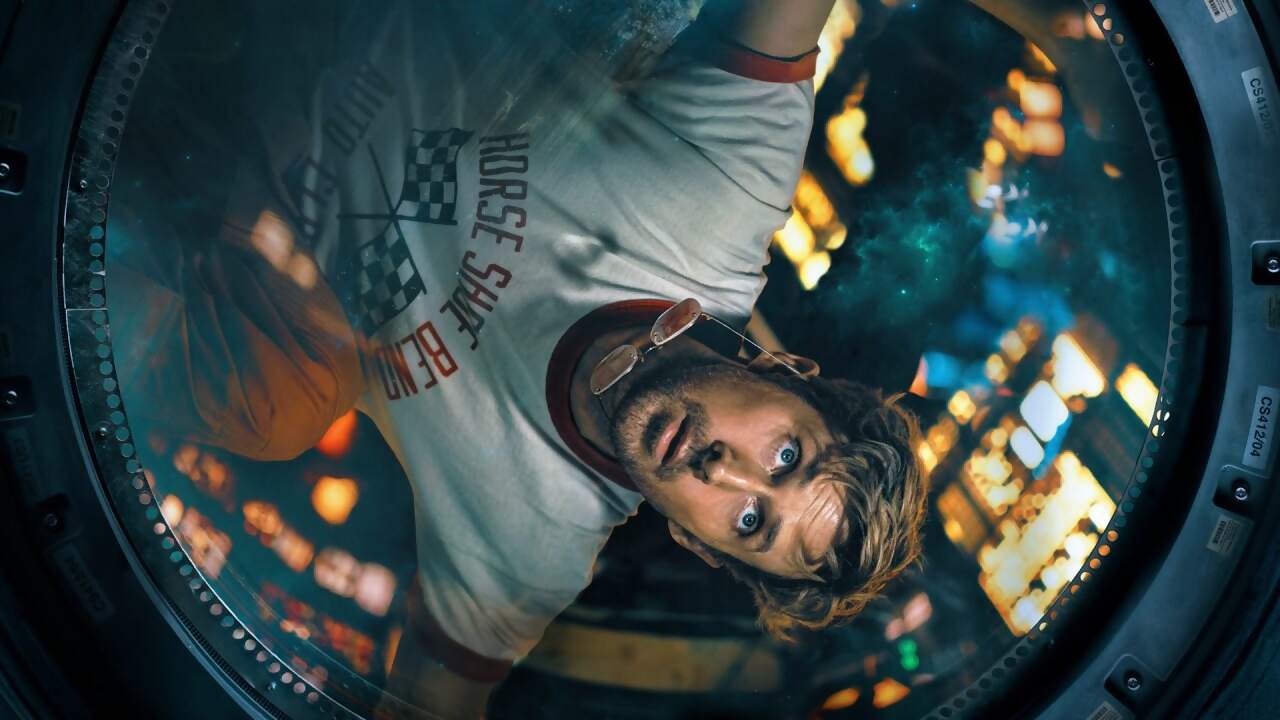
If you walked out of Project Hail Mary — or closed the book — feeling like you’d just experienced something rare, you’re not alone. That specific combination of hard science, genuine emotional stakes, and the quiet thrill of two minds figuring things out together is surprisingly hard to find on screen. The good news is that a handful of films come close, and some of them are genuinely great.
With the Ryan Gosling-led adaptation generating serious buzz, a lot of people are searching for that same feeling again. So here are five films worth watching if Project Hail Mary hit you in just the right way — and what each one shares with Andy Weir’s story.
What Makes Project Hail Mary So Hard to Replicate
Before getting into the list, it’s worth understanding what you’re actually chasing. Project Hail Mary works because it earns its emotion through science. The wonder comes from problem-solving, not spectacle. The friendship at its center develops slowly and improbably. And the protagonist is fundamentally alone — at least at first — in a way that feels genuinely isolating rather than dramatic.
Most space blockbusters skip that part. They trade the slow burn of discovery for action sequences and countdown clocks. The films below largely resist that temptation, which is exactly why they belong on this list.
Five Films That Scratch the Same Itch
These recommendations are drawn from the same thematic territory — solo survival in space, first contact, scientific problem-solving under pressure, and the emotional weight of being very far from home.
| Film | Year | Core Connection to Project Hail Mary |
|---|---|---|
| The Martian | 2015 | Same author; survival through science and optimism |
| Arrival | 2016 | First contact, language as a bridge, emotional depth |
| Interstellar | 2014 | Space survival, sacrifice, hard science wrapped in feeling |
| Contact | 1997 | Solo scientist, alien communication, wonder over action |
| Gravity | 2013 | Isolation in space, survival instinct, stripped-back tension |
Why Each One Earns Its Place on the List
The Martian is the most obvious starting point — and for good reason. Andy Weir wrote both stories, and the DNA is unmistakable. Mark Watney, like Ryland Grace, survives through ingenuity and a refusal to catastrophize. Ridley Scott’s adaptation keeps the book’s spirit intact: science is the hero, humor is the coping mechanism, and the audience is invited to actually follow the logic rather than just trust that it works.
Arrival is the most emotionally ambitious film on the list. Denis Villeneuve’s adaptation of Ted Chiang’s short story centers on a linguist trying to communicate with alien visitors — which maps almost perfectly onto one of Project Hail Mary’s central pleasures. The process of building understanding across an impossible gap is treated with patience and genuine intelligence. And the emotional payload, when it lands, is devastating in the best way.
Interstellar is a bigger, louder film than either of the above, but Christopher Nolan earns the scale. The science is taken seriously — imperfectly, but seriously — and the emotional core is a relationship stretched across impossible distance. It shares Project Hail Mary’s willingness to ask what a person would sacrifice to save everyone else, and to sit with that question rather than answer it cheaply.
Contact is the oldest film on the list and still one of the most underrated. Jodie Foster plays a scientist who has dedicated her life to the possibility of alien communication — and then has to navigate what happens when that possibility becomes real. It moves slowly by modern standards, but that patience is exactly the point. The film trusts its audience to find wonder in the process, not just the payoff.
Gravity is the leanest entry here — almost entirely stripped of plot in the conventional sense. It’s 90 minutes of one person trying not to die in space, and Alfonso Cuarón makes that feel like more than enough. Where Project Hail Mary finds its tension in discovery, Gravity finds it in pure survival. But both films understand that space is indifferent, and that human persistence in the face of that indifference is genuinely moving.
What All Five Films Have in Common
Looking at the list as a whole, a pattern emerges. None of these films rely on a villain. None of them frame space as a backdrop for human conflict — the universe itself is the obstacle, and the characters have to think their way through it rather than fight their way out.
They’re also all, at their core, stories about connection. Whether it’s Watney keeping his crew updated across millions of miles, Louise Banks learning to speak with something utterly alien, or Ryland Grace forming the most unlikely friendship in the solar system — these films argue that the impulse to reach out and communicate is one of the most fundamentally human things there is.
That’s a harder thing to manufacture than an explosion. When it works, it tends to stay with you for a long time.
Frequently Asked Questions
Is Project Hail Mary already out as a film?
As of
Which of these films is most similar to Project Hail Mary?
The Martian is the closest match, as both stories were written by Andy Weir and share the same tone, humor, and science-first approach to survival in space.
Is Arrival appropriate for fans of hard science fiction?
Yes — Arrival takes the science of language and communication seriously, and its approach to first contact shares a lot of thematic ground with Project Hail Mary’s central relationship.
Are all five of these films available to stream?
Specific streaming availability was not confirmed in
Do any of these films share the same emotional tone as Project Hail Mary?
Arrival and The Martian come closest to matching the emotional register — optimistic, patient, and genuinely moved by the act of discovery and connection.
Is Contact worth watching if I’m used to modern science fiction films?
Yes — while it moves more slowly than contemporary releases, Contact’s focus on the process of communication and its emotional depth make it a strong recommendation for fans of Project Hail Mary.




Leave a Reply