
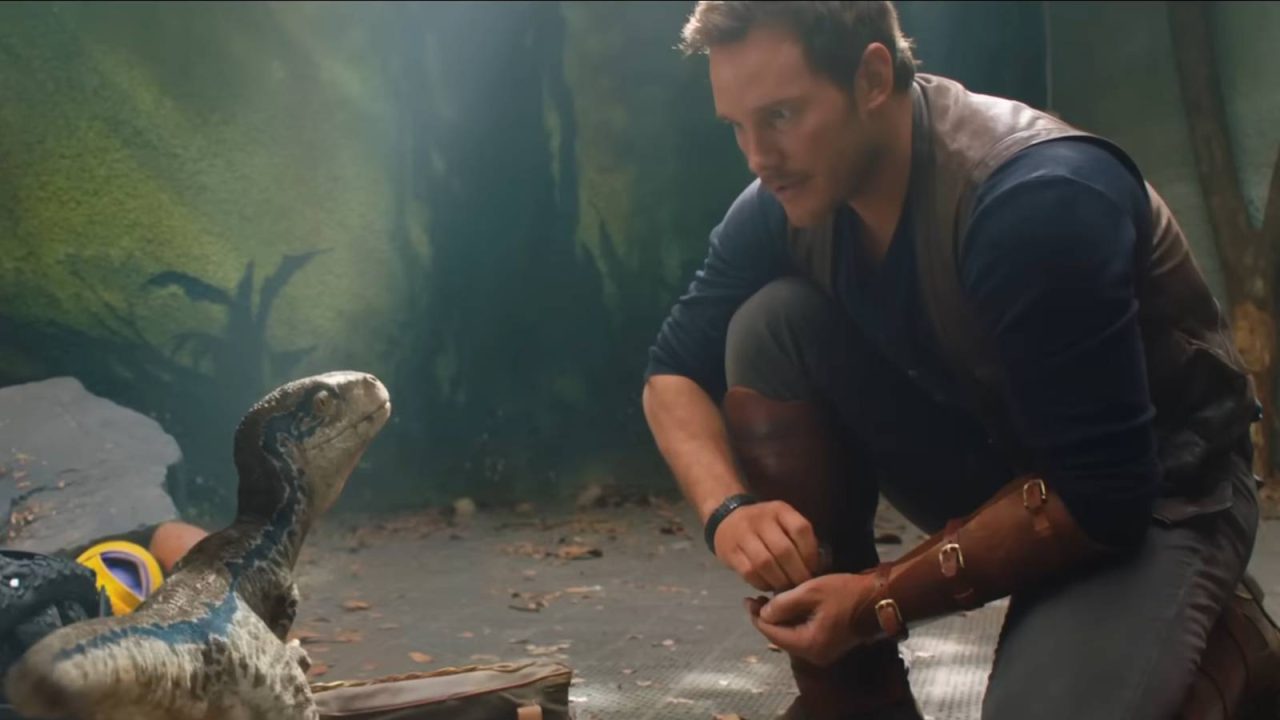
The Jurassic Park franchise spans more than three decades, seven films, and one of the most recognizable dinosaurs in cinema history. But sit down and watch all seven movies back to back, and something unexpected happens — the series starts to look very different from how most people remember it.
Patterns emerge. Themes repeat in ways that feel deliberate rather than accidental. Characters who seemed minor in isolation suddenly carry enormous weight across the larger story. And some films that were dismissed on release start to feel more interesting when viewed as part of a continuous whole rather than standalone entries.
Whether you grew up with the original 1993 Steven Spielberg film or came to the franchise through the Jurassic World trilogy, a full rewatch of every movie changes the way you understand what the series is actually about.
Why the Jurassic Park Series Rewards a Full Rewatch
Most people encounter the Jurassic Park films out of order, years apart, or with large gaps between viewings. That’s a perfectly normal way to experience a franchise. But it means you miss the cumulative effect — the way the same mistakes repeat across generations, the way the dinosaurs themselves shift from monsters to something closer to victims, and the way the human characters evolve from awestruck scientists into something far more morally complicated.
Watching all seven films in sequence forces you to confront the franchise as a single, sprawling argument about the consequences of unchecked scientific ambition. The question the original film asks — should we? — never really gets answered. Every sequel is essentially a different group of people learning the same lesson, often the hard way.
The tonal shifts between the original trilogy and the Jurassic World era also become much more apparent in a full rewatch. What began as a relatively grounded thriller rooted in Michael Crichton’s science-fiction novel gradually transformed into something bigger, louder, and more operatic — for better and for worse, depending on your perspective.
What Changes When You Watch All Seven Films Together
A full franchise rewatch reveals details and connections that are easy to miss when films are watched years apart. Some of the most significant shifts in perspective include:
- The dinosaurs become more sympathetic over time. In the early films, they are largely presented as threats. By the later entries, the series increasingly frames them as creatures displaced and exploited by human greed — a reframing that makes the earlier films feel more morally ambiguous in retrospect.
- The recurring theme of corporate irresponsibility becomes impossible to ignore. From InGen in the original trilogy to the various factions in Jurassic World, the franchise is consistent in its portrayal of institutions prioritising profit over safety and ethics.
- Ian Malcolm’s warnings are vindicated, repeatedly. Jeff Goldblum’s character argues in the original film that the park is a disaster waiting to happen. Watching all seven films in sequence, his chaos theory arguments look less like eccentricity and more like the most accurate analysis in the entire franchise.
- The child characters serve a consistent narrative function. Across multiple films, children in danger force adult characters to confront their own choices. This pattern is so consistent it reads as intentional franchise-wide storytelling.
- The visual effects tell their own story. Watching all seven films chronologically charts the full arc of CGI development in Hollywood blockbusters — from the groundbreaking practical and digital effects of 1993 to the fully digital spectacle of the World trilogy.
- The lesser-regarded sequels gain context. Films like Jurassic Park III and Jurassic World: Fallen Kingdom, which received mixed receptions on release, often land differently when viewed as chapters in a longer story rather than standalone films expected to replicate the original’s impact.
How the Seven Films Stack Up Across the Franchise
| Film | Release Year | Director | Franchise Era |
|---|---|---|---|
| Jurassic Park | 1993 | Steven Spielberg | Original Trilogy |
| The Lost World: Jurassic Park | 1997 | Steven Spielberg | Original Trilogy |
| Jurassic Park III | 2001 | Joe Johnston | Original Trilogy |
| Jurassic World | 2015 | Colin Trevorrow | World Trilogy |
| Jurassic World: Fallen Kingdom | 2018 | J.A. Bayona | World Trilogy |
| Jurassic World Dominion | 2022 | Colin Trevorrow | World Trilogy |
| Jurassic World Rebirth | 2025 | Gareth Edwards | New Era |
The Part of the Franchise Most Casual Viewers Miss
One of the most striking things a full rewatch reveals is how the franchise’s central argument quietly shifts. The original film is fundamentally about the arrogance of creation — the idea that bringing dinosaurs back is inherently reckless regardless of the precautions taken. By Jurassic World Dominion, the question is no longer whether dinosaurs should exist alongside humans, but how humanity chooses to respond now that they do.
That is a genuinely significant philosophical evolution, and it is easy to miss when you are watching individual films years apart. Seen as a continuous story, the franchise moves from a cautionary tale to something more complicated — a meditation on coexistence, responsibility, and whether humanity is capable of learning from its mistakes when profit is involved.
The answer the franchise offers, across all seven films, is not especially optimistic. But it is consistent.
What a Full Rewatch Means for the Franchise Going Forward
With Jurassic World Rebirth launching a new era under director Gareth Edwards, the franchise is once again asking audiences to invest in a fresh chapter. A full rewatch of the previous seven films provides useful context for understanding what that new chapter is likely responding to — both the strengths and the criticisms that have accumulated over thirty-plus years.
Audiences going into Rebirth with all seven prior films fresh in their memory will be better positioned to notice what the new film chooses to keep, what it discards, and what it quietly acknowledges about the franchise’s complicated history.
Sometimes the best way to understand where a story is going is to sit down and watch, from the beginning, how it got here.
Frequently Asked Questions
How many Jurassic Park movies are there in total?
There are seven films in the franchise, spanning from the original Jurassic Park in 1993 through to Jurassic World Rebirth in 2025.
Who directed the original Jurassic Park?
The original 1993 film was directed by Steven Spielberg, who also directed its 1997 sequel The Lost World: Jurassic Park.
Does watching all the Jurassic Park films in order make a difference?
Watching the films in chronological release order reveals recurring themes, character parallels, and a gradual philosophical shift in how the franchise treats its dinosaurs and its human antagonists.
Which Jurassic Park film is considered the weakest?
This has not been definitively confirmed by a single authoritative source, though Jurassic Park III and Jurassic World Dominion have both received significant criticism from fans and reviewers over the years.
What is Jurassic World Rebirth?
Jurassic World Rebirth is a 2025 film directed by Gareth Edwards and represents the beginning of a new era for the franchise following the conclusion of the Jurassic World trilogy.
Is the Jurassic Park franchise based on a book?
The original 1993 film is based on Michael Crichton’s 1990 science-fiction novel of the same name, and The Lost World is similarly adapted from Crichton’s 1995 sequel novel.

Leave a Reply