
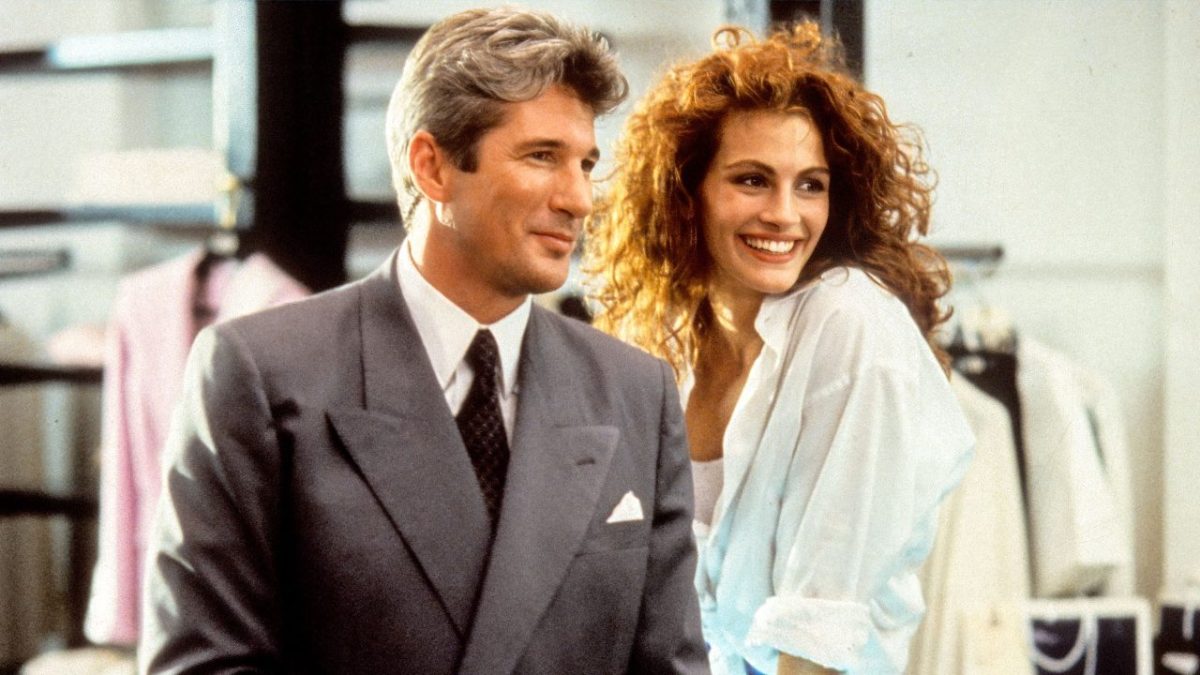
Few pop culture connections are as satisfying as discovering that two beloved classics are actually linked — and the bond between Roy Orbison’s 1964 smash hit “Oh, Pretty Woman” and the 1990 Julia Roberts film Pretty Woman is exactly that kind of story.
The romantic comedy became one of the most iconic films of its era, launching Julia Roberts into superstardom and giving Richard Gere one of his most memorable roles. But the movie’s very title — and a good portion of its spirit — traces directly back to a rock and roll legend from the early 1960s whose voice was unlike anything else on the radio.
It’s a reminder that great art rarely emerges from a vacuum. Sometimes a song plants a seed that takes decades to fully bloom on screen.
The Roy Orbison Song That Started It All
Roy Orbison released “Oh, Pretty Woman” in 1964, and it became one of the defining hits of his career. With its instantly recognizable guitar riff and Orbison’s soaring, operatic vocal delivery, the song shot to number one and cemented his place as one of rock and roll’s most distinctive voices.
The song tells the story of a man captivated by a beautiful woman walking down the street — a simple premise, but one delivered with such emotional intensity that it lodged itself permanently in the American cultural consciousness. Orbison had a gift for transforming straightforward romantic scenarios into something that felt genuinely cinematic, which may be exactly why Hollywood eventually came calling.
Decades later, when filmmakers were developing what would become Pretty Woman, Orbison’s song served as a direct creative touchstone — inspiring not just the title but the broader romantic fantasy at the heart of the story.
How a 1960s Hit Shaped a Hollywood Blockbuster
The 1990 film Pretty Woman, directed by Garry Marshall and starring Julia Roberts and Richard Gere, became a massive box office success and a defining romantic comedy of its generation. Roberts played Vivian Ward, a woman whose life is transformed through an unexpected romance with a wealthy businessman — a modern fairy tale structure that echoed the wishful, dreamy quality Orbison had captured in his song more than 25 years earlier.
The film’s title is a direct nod to Orbison’s classic, and the song itself was woven into the movie’s fabric, helping establish its tone and emotional register from the very beginning. It’s the kind of creative lineage that reminds audiences how music and film have always fed each other.
Orbison, who passed away in December 1988, did not live to see the film’s release — but his music did, becoming part of a cultural moment that introduced his work to an entirely new generation of listeners.
Roy Orbison’s Legacy Beyond “Oh, Pretty Woman”
It would be a mistake to think of Orbison solely through the lens of his connection to the film. He was one of the most singular artists of the rock and roll era, known for a vocal range and emotional depth that set him apart from his contemporaries.
His career spanned hits like “In Dreams,” “Crying,” and “Running Scared” — songs that leaned into vulnerability and longing in ways that were unusual for the era. He was a member of the supergroup The Traveling Wilburys alongside Bob Dylan, Tom Petty, George Harrison, and Jeff Lynne, a late-career collaboration that underscored just how much his peers respected his artistry.
The fact that one of his most famous songs became the foundation for a beloved Hollywood film is a testament to how deeply his music embedded itself in the broader culture.
What Made the Song and the Film Such a Natural Pairing
There’s a reason the connection between Orbison’s song and Marshall’s film feels so instinctively right. Both deal in the same emotional currency: the intoxicating, slightly unreal feeling of encountering someone who stops you in your tracks.
Orbison’s narrator watches a woman walk by and is immediately undone. Roberts’ Vivian Ward walks into a world she was never supposed to belong to and transforms it — and herself — in the process. The fantasy is different in scale, but the emotional core is the same.
That’s the power of a great song. It doesn’t just capture a moment — it creates a template that storytellers return to again and again.
A Snapshot of the Connection
| Detail | Roy Orbison’s Song | Julia Roberts Film |
|---|---|---|
| Title | “Oh, Pretty Woman” | Pretty Woman |
| Year Released | 1964 | 1990 |
| Artist / Director | Roy Orbison | Garry Marshall |
| Stars | Roy Orbison | Julia Roberts, Richard Gere |
| Core Theme | Romantic fantasy, captivation | Romantic fantasy, transformation |
| Song Used in Film | — | Yes |
Why This Connection Still Resonates Today
Stories like this one matter because they pull back the curtain on how culture actually works. A song written in 1964 doesn’t just fade away — it gets absorbed, reimagined, and reborn in new forms. Orbison’s instinct for romantic longing was so precise and so universal that it gave a Hollywood production its entire identity more than two decades after the song was recorded.
For fans of Pretty Woman who have never heard the Orbison original, the song is well worth seeking out. And for longtime Orbison fans, knowing that his music helped shape one of the most beloved films of the 1990s adds yet another layer to an already remarkable legacy.
Some connections between art forms are accidental. This one feels almost inevitable.
Frequently Asked Questions
What Roy Orbison song inspired the film Pretty Woman?
Roy Orbison’s 1964 hit “Oh, Pretty Woman” served as the direct inspiration behind the title and creative spirit of the 1990 Julia Roberts film Pretty Woman.
Was the song used in the actual film?
Yes, Orbison’s song was incorporated into the film, helping establish its romantic and nostalgic tone.
Did Roy Orbison know his song would inspire the film?
Orbison passed away in December 1988, before the film was released in 1990, so he did not live to see his song’s connection to the movie play out publicly.
Who directed the 1990 film Pretty Woman?
The film was directed by Garry Marshall and starred Julia Roberts and Richard Gere.
When was “Oh, Pretty Woman” originally released?
Roy Orbison released the song in 1964, and it became one of the biggest hits of his career, reaching number one.
Is Roy Orbison considered an important figure in rock and roll history?
Yes, Orbison is widely regarded as one of the most distinctive voices of the rock and roll era, known for hits including “Crying,” “In Dreams,” and his late-career work with The Traveling Wilburys.

Leave a Reply