
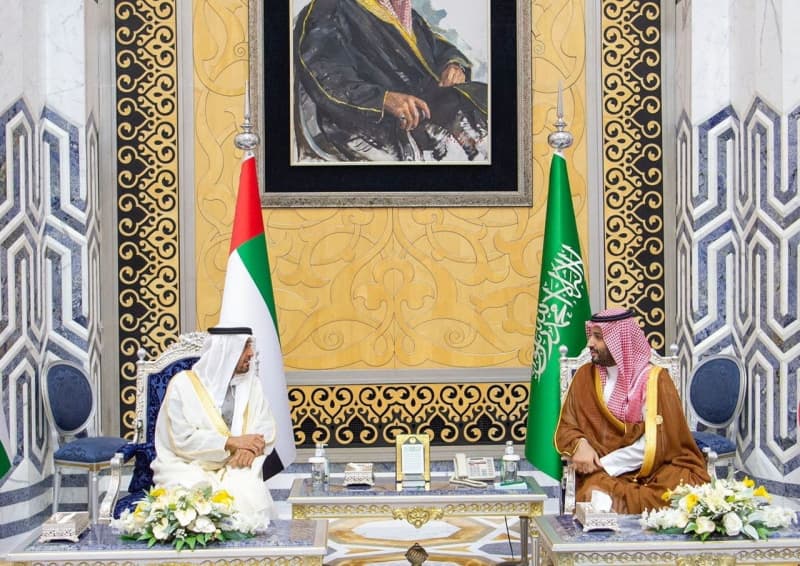
Saudi Arabia is rewriting its identity as a travel destination — and 2026 is shaping up to be the year the world takes notice. The kingdom is pouring investment into museums, historical site restorations, and major tourism zone overhauls, all part of a sweeping national strategy to become one of the world’s leading cultural destinations.
This isn’t a small-scale refresh. The scale of transformation underway spans ancient heritage sites, modern cultural spaces, and significant policy changes designed to make Saudi Arabia more welcoming to international visitors than it has ever been before.
For anyone planning international travel in the coming year, Saudi Arabia has moved from an unlikely option to a genuinely compelling one — and understanding what’s driving that shift matters.
What Saudi Arabia’s Cultural Tourism Push Actually Involves
The kingdom’s strategy centers on two parallel tracks: restoring what already exists and building what doesn’t yet. Ancient sites are being brought back to life through formal restoration programs, while new state-of-the-art cultural spaces are being opened to give visitors modern ways to engage with the country’s deep history.
These efforts are not happening in isolation. They are backed by government-driven policies that extend beyond bricks and mortar. Infrastructure improvements — particularly around connectivity — are being paired with visa reforms specifically designed to reduce friction for foreign travelers. The message is deliberate: Saudi Arabia wants to be easier to reach and easier to explore.
Officials have noted that the country’s tourism transformation is part of a broader national vision, with cultural and heritage tourism positioned as a cornerstone of long-term economic diversification. Tourism is no longer a side consideration — it is central to where Saudi Arabia sees itself heading.
Riyadh and Jeddah Are Leading Saudi Arabia’s Tourism Revolution
The two cities doing the heaviest lifting in this transformation are Riyadh and Jeddah. Both are experiencing significant growth in cultural infrastructure, and both are being positioned as anchor destinations for international visitors arriving in the kingdom.
Riyadh, as the capital, is seeing some of the most substantial development — new cultural venues, expanded tourism zones, and investments aimed at making the city a genuine metropolitan destination rather than simply a transit point.
Jeddah brings a different kind of appeal. As a historic port city with deep ties to trade and pilgrimage routes, it offers a layered cultural experience that restoration projects are working to make more accessible and visible to global tourists.
Together, the two cities represent the front line of Saudi Arabia’s bid to compete with established cultural tourism destinations across the Middle East and beyond.
What This Means for International Travelers in 2026
For travelers, the practical implications of Saudi Arabia’s push are worth paying attention to. Visa reforms are among the most significant changes — the kingdom has been actively working to streamline access for foreign nationals, which historically represented one of the biggest barriers to leisure travel there.
Beyond access, the expansion of tourism infrastructure means visitors arriving in 2026 will find a meaningfully different experience than those who came even a few years ago. New museums, restored heritage sites, and upgraded tourism zones translate directly into more to see, more context to absorb, and more ways to spend time in the country.
- Ancient historical sites are being formally restored and made visitor-ready
- New cultural spaces and museums are opening across key cities
- Tourism zones are being revamped to improve the visitor experience
- Connectivity infrastructure is being upgraded to support increased arrivals
- Visa reforms are reducing barriers for international tourists
The cumulative effect is a destination that is actively investing in the experience of the people who choose to visit — which is a different posture than simply opening borders and hoping travelers show up.
A Snapshot of Where Saudi Arabia’s Tourism Development Is Focused
| Area of Development | What Is Happening | Primary Locations |
|---|---|---|
| Heritage Site Restoration | Ancient sites being formally restored for visitor access | Across the kingdom |
| Cultural Spaces | New museums and state-of-the-art cultural venues opening | Riyadh, Jeddah |
| Tourism Zone Revamps | Key tourism zones being overhauled and upgraded | Riyadh, Jeddah |
| Infrastructure | Connectivity improvements to support increased arrivals | Nationwide |
| Visa Reform | Policy changes to make the country more accessible to foreign travelers | Nationwide |
Why 2026 Feels Like the Turning Point
Saudi Arabia has been building toward this moment for several years, but 2026 represents a convergence point — the stage at which many of these projects are expected to be open, operational, and ready for international visitors at scale.
The kingdom’s ambitions are explicit. Officials have framed this as a bid to position Saudi Arabia as a leading global destination, not just a regional one. That framing carries real weight when you consider the scale of investment going into cultural infrastructure, the policy changes being implemented, and the deliberate effort to reshape how the country is perceived abroad.
For travelers who have been curious about Saudi Arabia but uncertain about the practical realities of visiting, the window is opening in a way it hasn’t before. The combination of new cultural offerings, improved access, and upgraded infrastructure makes 2026 a genuinely different proposition than any prior year.
Whether the kingdom fully delivers on the ambition it has set out remains to be seen — but the direction of travel is clear, and the investment backing it is substantial.
Frequently Asked Questions
What is Saudi Arabia doing to attract international tourists in 2026?
Saudi Arabia is investing in museum construction, historical site restoration, tourism zone revamps, infrastructure improvements, and visa reforms designed to make the country more accessible to foreign visitors.
Which cities are leading Saudi Arabia’s tourism expansion?
Riyadh and Jeddah are identified as the primary cities at the forefront of the kingdom’s tourism transformation, with significant cultural infrastructure development happening in both.
Has Saudi Arabia changed its visa rules for tourists?
Visa reforms are part of the broader tourism strategy, with policy changes aimed at improving accessibility for foreign travelers, though specific details of those reforms were not fully outlined in the available source material.
What kinds of cultural attractions are being developed?
New museums, restored ancient historical sites, state-of-the-art cultural spaces, and revamped tourism zones are all part of the development push underway across the kingdom.
Is the Saudi tourism expansion government-backed?
Yes — government-driven policies are explicitly supporting the tourism push, including infrastructure investment and visa reform, as part of a broader national strategy to position Saudi Arabia as a leading global destination.
When will these tourism developments be ready for visitors?
The developments are being positioned around 2026 as a key milestone, though specific opening dates for individual projects were not confirmed in the available source material.

Leave a Reply