
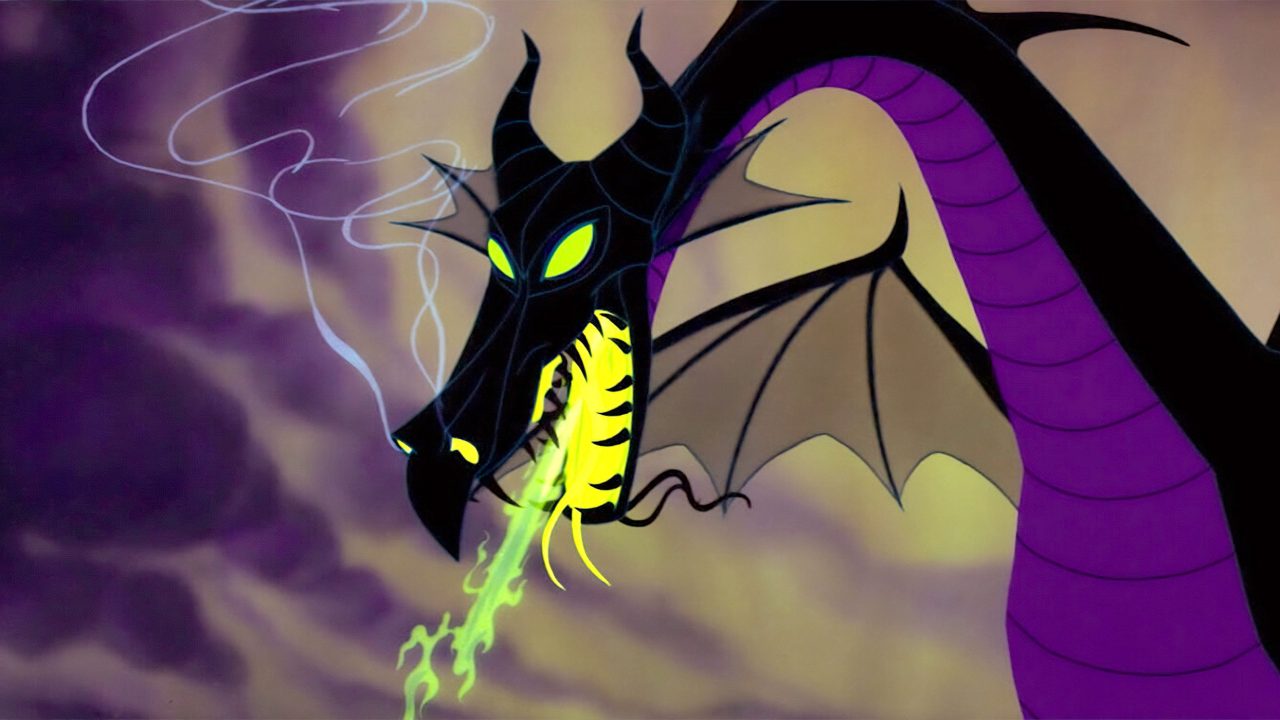
Animated movies have always known how to make audiences squirm, gasp, and sometimes hide behind their popcorn. But the monsters that truly stick with us — the ones we still think about decades after the credits rolled — aren’t just scary. They’re memorable. They’re designed with intention, layered with meaning, and sometimes more emotionally complex than the heroes standing against them.
From the creatures lurking in fairy-tale forests to the nightmare fuel haunting children’s bedrooms, animated films have produced some of the most striking monster designs in all of cinema. The question isn’t just which ones are the scariest — it’s which ones are genuinely the best.
Here’s a look at what makes a great animated movie monster, and a ranked celebration of the ones that have earned their place in the conversation.
What Makes an Animated Monster Truly Great
Not every terrifying creature earns the title of “great monster.” A great animated movie monster does more than generate fear — it serves the story. It reflects something real about the world, about loss, about power, or about the darkness that exists inside human experience.
The best animated monsters tend to share a few qualities. They have strong visual design that makes them instantly recognizable. They carry thematic weight — they mean something beyond just being an obstacle. And they leave a lasting impression, the kind that follows you out of the theater and back into your everyday life.
Animation, as a medium, gives creature designers extraordinary freedom. There are no practical effects budgets to worry about, no limitations on scale or movement. A monster in an animated film can be as physically impossible as the story demands — which is exactly why the genre has produced some of the most imaginative creature designs in film history.
The Monsters That Defined the Genre
Animated film history is rich with creatures that have crossed from entertainment into cultural memory. Some are drawn from mythology and folklore. Others are entirely original inventions. What they share is the power to make audiences feel something genuine — whether that’s dread, awe, or a complicated sympathy that surprises even the viewer feeling it.
Several recurring archetypes show up across the best animated monsters:
- The sympathetic beast — a creature that frightens at first, but whose story ultimately earns emotional resonance
- The pure threat — a monster with no redemption arc, existing solely to create danger and tension
- The folkloric creature — drawn from myth, legend, or cultural tradition, carrying the weight of generations of storytelling
- The body-horror design — something visually unsettling in a way that works specifically because animation can push further than live action
- The corrupted familiar — a creature that was once something recognizable, twisted into something wrong
The most celebrated animated monsters often blend more than one of these categories, which is part of what makes them so hard to forget.
Why Animated Monsters Hit Differently Than Live-Action Ones
There’s a common assumption that animation softens things — that because it’s a drawn or rendered medium, it can’t generate real fear. The best animated movies have spent decades proving that wrong.
Animation allows filmmakers to exaggerate proportion, color, and movement in ways that feel psychologically targeted. A monster’s eyes can be rendered slightly too large. Its movement can be slightly too smooth, or slightly too jerky. The uncanny valley effect can be deployed deliberately, making something feel deeply wrong in a way that a practical creature suit never quite achieves.
For younger audiences especially, animated monsters can be genuinely formative. The creature that scared you as a child in an animated film tends to stay lodged in memory far longer than its live-action counterparts — because it arrived during the years when the imagination was most active and the line between story and reality was still being negotiated.
A Closer Look at What Separates Good From Great
When ranking animated movie monsters, a few criteria consistently separate the truly great from the merely memorable:
| Criteria | What It Measures | Why It Matters |
|---|---|---|
| Visual Design | Originality and impact of the creature’s appearance | First impressions define lasting memory |
| Thematic Purpose | How well the monster reflects the film’s core ideas | Great monsters mean something beyond surface fear |
| Emotional Impact | The feeling the creature generates in the audience | Fear, awe, and sympathy are all valid responses |
| Cultural Longevity | Whether the monster remains recognizable decades later | True greatness outlasts the film’s release window |
| Narrative Function | How essential the creature is to the story’s stakes | The best monsters can’t be removed without breaking the film |
Films that produce monsters scoring highly across all five categories are rare — which is exactly why the ones that do are worth celebrating.
Why This Conversation Still Matters
Animated movies continue to push the boundaries of what monster design can achieve. Each new generation of filmmakers arrives with fresh reference points, new technology, and new cultural anxieties to translate into creature form. The monsters being created today will be the ones that haunt tomorrow’s audiences the way classic animated creatures still haunt older viewers.
Ranking and discussing these creatures isn’t just a nostalgic exercise. It’s a way of understanding what animated storytelling does at its best — how it uses fear, wonder, and imagination to say something true about the human experience, wrapped inside something that looks, on the surface, like a movie for kids.
The best animated monsters remind us that the things we’re most afraid of are rarely just the things with teeth and claws. They’re the things that reflect something back at us that we’d rather not see.
Frequently Asked Questions
What makes a monster in an animated movie stand out from others?
The best animated movie monsters combine strong visual design with thematic purpose, meaning they serve the story and leave a lasting emotional impression beyond simply generating fear.
Are animated monsters scarier than live-action monsters?
Animation allows designers to push visual exaggeration further than live action, which can make animated monsters particularly effective — especially for younger audiences whose imaginations amplify the experience.
Why do animated movie monsters from childhood stay in memory so long?
Encounters with memorable creatures during childhood, when the boundary between story and reality is still forming, tend to create stronger and more lasting impressions than those experienced in adulthood.
What types of monsters appear most often in animated films?
Common archetypes include the sympathetic beast, the pure threat, the folkloric creature drawn from myth, and the corrupted familiar — a once-recognizable thing twisted into something unsettling.
Do animated monsters need to be scary to be considered great?
Not necessarily — great animated monsters can generate awe, sympathy, or dread equally well, as long as they serve the film’s story and carry genuine emotional weight.
Is the topic of best animated movie monsters a widely discussed one?
Yes, it is a recurring subject among animation fans and film critics, reflecting the enduring cultural impact that standout creature designs have across generations of moviegoers.


Leave a Reply