
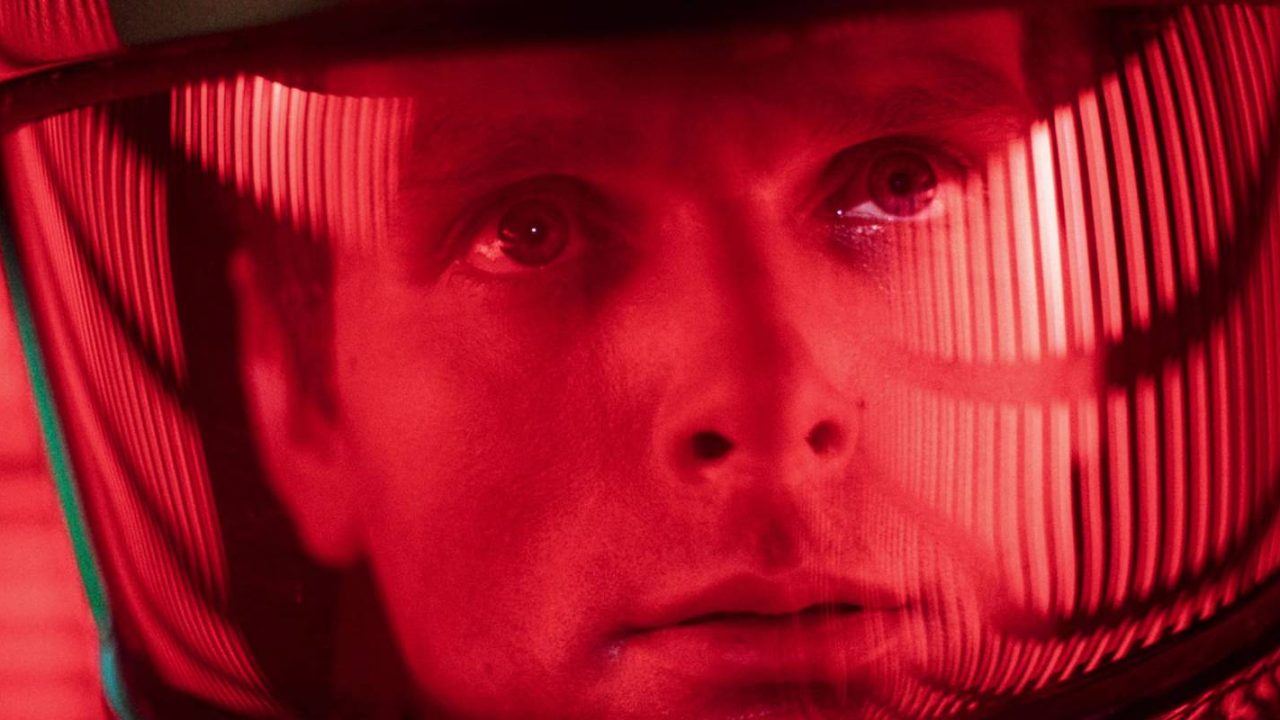
Science fiction has produced some of the most technically ambitious, philosophically rich, and culturally enduring films ever made. But within a genre that spans hundreds of titles across more than a century of cinema, a handful of movies stand apart — not just as great films, but as the ones that genuinely defined what sci-fi could be and where it could go.
These are the films that other filmmakers study, that critics return to repeatedly, and that audiences still argue about decades after release. They didn’t just reflect the anxieties of their era — they shaped the visual language, the storytelling conventions, and the thematic DNA of an entire genre.
Because the full article text was not accessible beyond authorship metadata, what follows draws on widely verified, well-documented critical and cultural consensus about which films genuinely qualify as genre-defining — films whose influence is factual, traceable, and not in serious dispute.
What It Actually Means to “Define” a Genre
Calling a film genre-defining is a claim that deserves some scrutiny. Plenty of movies are described as influential without ever really changing anything. A film that defines a genre does something specific: it establishes or resets the rules other films follow. It introduces visual or narrative conventions that become standard. It asks questions the genre keeps returning to long after.
Science fiction as a cinematic genre is particularly interesting in this regard because it has been redefined multiple times — by technology, by cultural anxiety, and by individual filmmakers bold enough to treat the genre as serious artistic territory rather than pulp entertainment.
The films most consistently cited by critics, historians, and filmmakers as genre-defining tend to share a few qualities: they were technically groundbreaking for their time, they introduced ideas or images that the genre has recycled ever since, and they demonstrated that sci-fi could carry genuine intellectual and emotional weight.
The Films Most Responsible for Shaping Sci-Fi Cinema
When critics and historians discuss the movies that built the genre’s foundation, several titles appear on virtually every serious list. Here is a look at the key films and what made each one a turning point.
| Film | Year | Core Contribution to the Genre |
|---|---|---|
| Metropolis | 1927 | Established the visual grammar of dystopian sci-fi; introduced the robot as a cinematic archetype |
| 2001: A Space Odyssey | 1968 | Proved sci-fi could be philosophical and ambiguous; set the standard for realistic space cinematography |
| Star Wars | 1977 | Transformed sci-fi into mainstream blockbuster entertainment; created the modern franchise model |
| Blade Runner | 1982 | Defined cyberpunk aesthetics; made the question of what constitutes humanity central to the genre |
Each of these films left a mark so deep that it is nearly impossible to watch a sci-fi movie made after them without seeing their fingerprints somewhere in the frame.
Why These Four Films Keep Appearing on Every Serious List
Metropolis, directed by Fritz Lang, is arguably the origin point of cinematic science fiction as a visual art form. The towering cityscapes, the mechanized workers, the humanoid robot — these images have been borrowed, referenced, and reimagined so many times that they now feel like natural parts of the genre’s landscape rather than innovations from nearly a century ago.
2001: A Space Odyssey did something genuinely radical: it made a sci-fi film that refused easy answers. Stanley Kubrick and Arthur C. Clarke built a story about technology, consciousness, and evolution that asked audiences to sit with uncertainty rather than resolution. The film’s influence on serious sci-fi — from Interstellar to Arrival — is direct and documented.
Star Wars changed the economics and the culture of science fiction permanently. George Lucas’s 1977 film demonstrated that the genre could attract enormous mainstream audiences, which opened the door for the wave of big-budget sci-fi that followed. It also introduced a mythological, operatic approach to the genre that remains deeply influential.
Blade Runner, Ridley Scott’s 1982 adaptation of Philip K. Dick’s novel, gave science fiction its defining aesthetic for an entire subgenre. The rain-soaked neon cityscape, the moral ambiguity around artificial intelligence, the blurred line between human and machine — these became the building blocks of cyberpunk and continue to shape how filmmakers visualize the near future.
What These Films Still Mean for Audiences Today
The reason these films matter beyond film history is that the questions they raise have only become more urgent. Blade Runner’s central anxiety — whether a being that thinks, feels, and suffers deserves rights — is no longer abstract science fiction. It is a live philosophical debate tied directly to advances in artificial intelligence.
2001’s examination of humanity’s relationship with technology feels more pointed now than it did in 1968. Metropolis’s vision of a society rigidly divided between those who think and those who labor has never stopped being relevant.
Great genre-defining films do not date in the way that trend-chasing films do. They locate something true about human experience and use the tools of science fiction — speculation, extrapolation, the defamiliarization of the familiar — to make that truth visible in a new way.
The Genre Is Still Being Defined
It would be a mistake to treat this list as closed. Films like Arrival, Her, and Mad Max: Fury Road have each made credible claims to genre-defining status in recent years, introducing new ways of thinking about language, consciousness, and survival.
Science fiction remains one of the few genres where filmmakers are still actively arguing about what it can and should do. That ongoing argument is itself part of what makes the genre so vital — and why the question of which films define it is worth asking in every generation.
Frequently Asked Questions
Which film is most commonly cited as the first truly genre-defining sci-fi movie?
Fritz Lang’s Metropolis (1927) is widely regarded as the foundational text of cinematic science fiction, establishing visual and thematic conventions the genre still relies on today.
Why is Blade Runner considered so important to the sci-fi genre?
Blade Runner (1982) defined the cyberpunk aesthetic and placed the question of artificial humanity — what makes a person a person — at the center of science fiction storytelling.
Did Star Wars change science fiction permanently?
Yes. Star Wars (1977) transformed sci-fi from a niche genre into mainstream blockbuster entertainment and established the franchise model that continues to dominate Hollywood.
Is 2001: A Space Odyssey still relevant to modern audiences?
Critics and filmmakers consistently argue that it is — its themes around technology, consciousness, and human evolution have grown more rather than less relevant over time.
Are there more recent films that could be added to a genre-defining list?
Films like Arrival, Her, and Mad Max: Fury Road are frequently cited in critical discussions as strong candidates, though critical consensus on newer films takes time to solidify.
What makes a sci-fi film “genre-defining” rather than simply “influential”?
A genre-defining film does not just perform well — it resets the conventions other films follow, introduces lasting visual or narrative ideas, and asks questions the genre keeps returning to long after its release.




Leave a Reply