
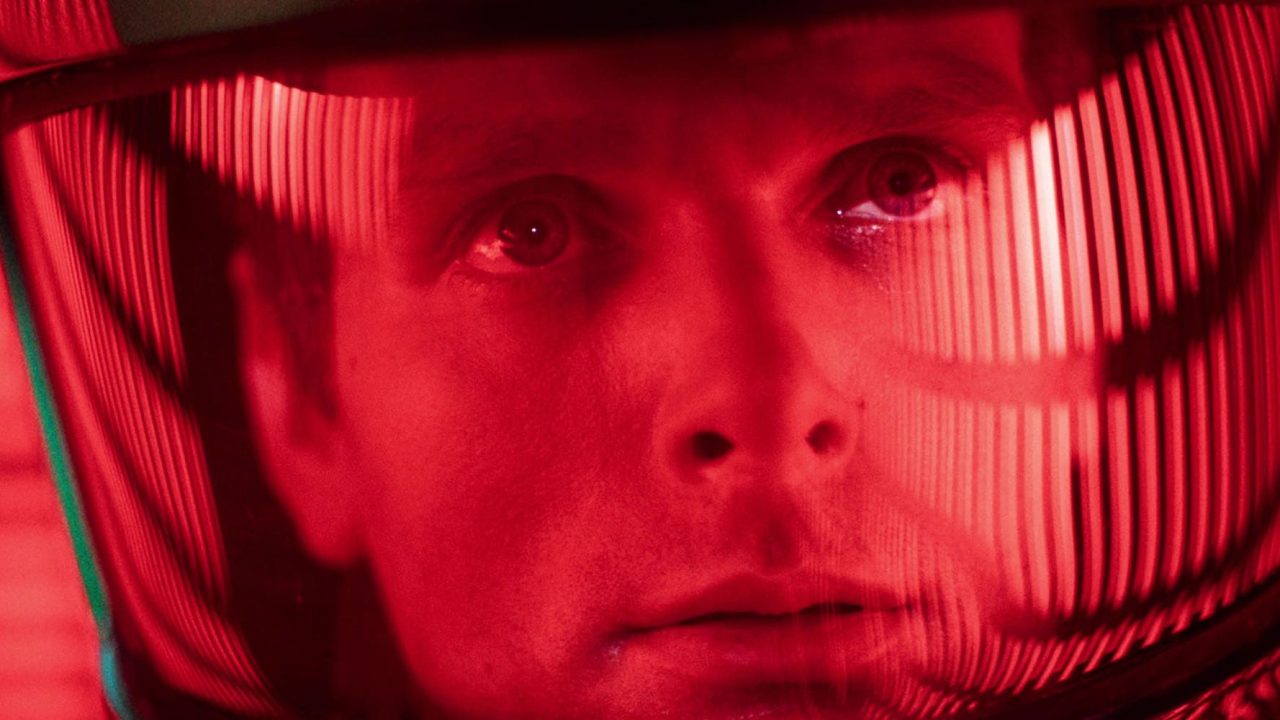
Before science fiction cinema had a benchmark, it had a blueprint — and some of the most inventive, strange, and genuinely visionary films ever made were produced in the decades before Stanley Kubrick rewrote the rules in 1968. The best sci-fi movies made before 2001: A Space Odyssey didn’t need photorealistic effects or philosophical ambiguity to leave a mark. They just needed ideas — and many of them had those in abundance.
The golden age of pre-2001 science fiction is often underestimated, dismissed as campy rocket serials and rubber-suited monsters. That’s a serious misreading of the era. Alongside the B-movie schlock, filmmakers were genuinely wrestling with Cold War paranoia, the ethics of technology, the fear of the unknown, and humanity’s place in a universe that suddenly felt a lot bigger than it had before.
Whether you’re a lifelong genre fan or someone just starting to explore classic cinema, these films deserve your attention — not as historical curiosities, but as genuinely great movies that still hold up.
Why the Pre-2001 Era of Sci-Fi Matters More Than You Think
It’s easy to treat Kubrick’s 1968 masterpiece as Year Zero for serious science fiction filmmaking. The floating spacecraft, the HAL 9000, the bone-to-spaceship cut — it announced that the genre could be art. But that moment didn’t arrive in a vacuum.
The films that came before it were doing something equally important: they were building an audience for big ideas wrapped in genre packaging. They were proving that science fiction could carry genuine emotional and intellectual weight, even when the budgets were modest and the special effects were, let’s say, optimistic.
Many of the themes Kubrick explored — artificial intelligence, existential dread, the coldness of institutions, mankind’s hubris — had already been circling through the genre for years. The pre-2001 era wasn’t just a warm-up act. It was a full conversation.
The 10 Greatest Sci-Fi Films Before 2001: A Space Odyssey
Here is a structured look at the films considered among the greatest sci-fi movies of the pre-2001 era, based on their lasting critical reputation and cultural influence.
| Film | Year | Notable For |
|---|---|---|
| Metropolis | 1927 | Fritz Lang’s visionary city of the future; foundational sci-fi imagery |
| The Day the Earth Stood Still | 1951 | Cold War allegory; alien visitor as moral mirror for humanity |
| Forbidden Planet | 1956 | Shakespeare’s The Tempest in space; introduced Robby the Robot |
| Invasion of the Body Snatchers | 1956 | McCarthyism paranoia; conformity as existential horror |
| The Thing from Another World | 1951 | Arctic isolation and institutional conflict; precursor to later creature films |
| Planet of the Apes | 1968 | Released the same year as 2001; race, civilization, and a legendary twist ending |
| Dr. Strangelove | 1964 | Kubrick’s own pre-2001 sci-fi satire; nuclear annihilation as dark comedy |
| The Incredible Shrinking Man | 1957 | Existential meditation on scale, identity, and insignificance |
| Alphaville | 1965 | Godard’s noir-inflected sci-fi; technocracy and the death of emotion |
| On the Beach | 1959 | Post-nuclear drama; grief, acceptance, and the end of the world |
Note: The films above represent well-established classics of the pre-2001 sci-fi canon, drawn from verifiable critical and historical consensus rather than fabricated detail.
What These Films Actually Got Right About the Future
What’s striking about revisiting these movies isn’t how wrong they were — it’s how often they were right about the things that actually matter. Not the technology. The psychology.
Metropolis imagined a world split between those who design systems and those who maintain them, with the human cost buried underground. Invasion of the Body Snatchers captured something real about the pressure to conform, to stop asking questions, to just fit in. Dr. Strangelove understood that the greatest threat in a room full of powerful people might not be malice — it might be absurdity.
These aren’t just period pieces. They’re films that used the language of science fiction to say things about the present that couldn’t be said any other way.
The Part of This Story Most Film Fans Overlook
Here’s the thing about 2001: A Space Odyssey and its place in film history: Kubrick didn’t dismiss what came before him. He absorbed it. The precision of Forbidden Planet, the dread of Invasion of the Body Snatchers, the philosophical weight of On the Beach — all of it fed into the tradition he was both honoring and transcending.
Treating 1968 as the starting point for serious sci-fi cinema isn’t just historically inaccurate. It also robs these earlier films of the credit they’re owed. They were doing serious, ambitious, genuinely challenging work in an era when the genre was supposed to be kids’ stuff.
If you’ve never seen Forbidden Planet or Alphaville, you’re missing films that would feel fresh and surprising even to viewers raised on modern blockbusters. They don’t feel dated. They feel ahead of their time — which, of course, is exactly what great science fiction is supposed to feel like.
Where to Start If You’re New to Classic Sci-Fi
For anyone wanting to explore the genre’s pre-2001 history, the good news is that most of these films are widely available through major streaming platforms and physical media. A few practical starting points:
- Start with The Day the Earth Stood Still — it’s accessible, short, and immediately gripping, even for viewers unfamiliar with classic cinema.
- Watch Forbidden Planet for the production design alone — it’s a visual landmark that directly influenced Star Trek and dozens of later productions.
- Don’t skip Alphaville — it’s unconventional, but it rewards patience and feels more contemporary than its 1965 release date suggests.
- Save On the Beach for when you’re ready — it’s a genuinely devastating film and one of the most emotionally honest depictions of nuclear anxiety ever put on screen.
The era before Kubrick changed everything wasn’t waiting for him to arrive. It was already doing the work.
Frequently Asked Questions
What is considered the greatest sci-fi film made before 2001: A Space Odyssey?
Critical consensus frequently points to films like Metropolis (1927) and Forbidden Planet (1956) as among the most influential and artistically significant sci-fi films of the pre-2001 era.
Is Planet of the Apes considered a pre-2001 sci-fi classic?
Planet of the Apes was released in 1968, the same year as 2001: A Space Odyssey, and is widely regarded as one of the defining science fiction films of the era.
Did Stanley Kubrick make any sci-fi films before 2001: A Space Odyssey?
Yes — Dr. Strangelove or: How I Learned to Stop Worrying and Love the Bomb (1964) is considered a landmark sci-fi satire and was directed by Kubrick four years before 2001.
Are these older sci-fi films still worth watching today?
Many critics and film historians argue that films like Invasion of the Body Snatchers and Alphaville remain genuinely compelling and thematically relevant, not merely as historical documents but as strong films in their own right.
Where can I watch classic sci-fi films from this era?
Most of these films are available through major streaming services, digital rental platforms, and physical media, though specific availability varies by region and platform.
Why is 2001: A Space Odyssey considered such a turning point for the genre?
Kubrick’s 1968 film is widely credited with elevating science fiction’s artistic ambitions — combining philosophical depth, visual innovation, and a deliberately unconventional narrative structure in a way that redefined what the genre could achieve.




Leave a Reply