
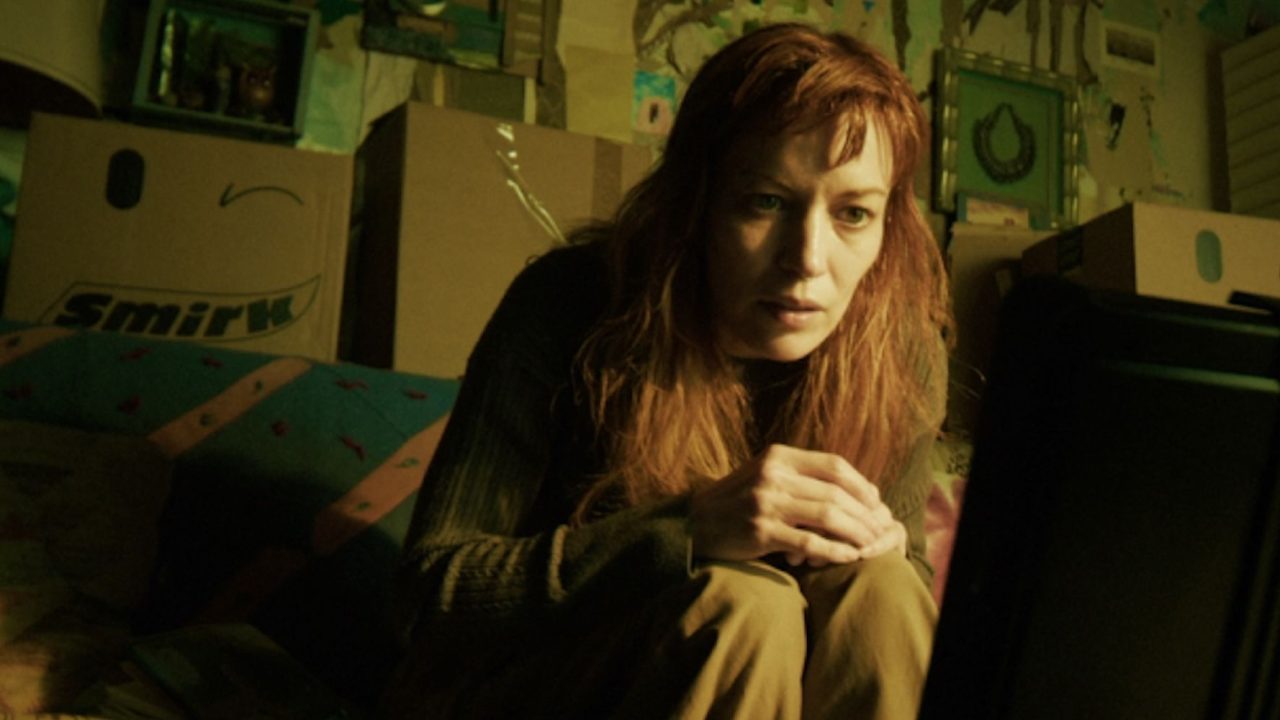
What happens when a film has a genuinely fascinating premise, a cast full of critically acclaimed talent, and all the atmospheric ingredients for a modern psychological thriller — but still can’t quite stick the landing? That’s the central tension at the heart of Sender, a new trippy sci-fi thriller that arrives with serious pedigree and leaves with serious questions about wasted potential.
The film stars Britt Lower, best known for her breakout role in Apple TV+’s Severance, alongside Rhea Seehorn, who earned widespread acclaim for Better Call Saul, and David Dastmalchian, a character actor with a devoted following built across projects like Pluribus and countless genre films. On paper, this is the kind of cast that signals a thoughtful, actor-driven thriller. In practice, the results are more complicated.
According to a review published by Collider on March 23, 2026, Sender is a film that generates genuine intrigue — but ultimately fails to fully deliver on its most compelling ideas.
What Sender Is Actually About
Films in this space live or die by their ability to sustain mystery while still paying off the questions they raise. Based on the Collider review, Sender appears to excel at the first half of that equation but struggles with the second.
The casting choices are notable. Lower’s profile has surged dramatically thanks to Severance, a show that itself plays with fractured identity and the unsettling relationship between a person and their own consciousness. Dastmalchian, meanwhile, has built a reputation for inhabiting strange, morally complex characters across genre projects. Seehorn brings the kind of grounded intensity that made her work on Better Call Saul so compelling. Together, they represent a very specific kind of prestige genre storytelling — cerebral, character-driven, and visually ambitious.
That the film can’t fully capitalize on what these three bring to the screen is, according to the review’s framing, the movie’s core disappointment.
The Problem With Promising Premises
There’s a particular frustration that comes with watching a film that knows it has good ideas but can’t find the right way to execute them. Sender, as characterized by the Collider review, appears to fall into this category — a movie that earns genuine interest in its setup but loses its grip somewhere in the follow-through.
This is not an uncommon fate for high-concept thrillers. The genre demands that every strange detail eventually resolve into something meaningful, that the “trippy” elements serve a larger emotional or thematic purpose. When that resolution doesn’t land, even the most stylish execution can feel hollow.
The review’s headline describes it precisely: the film “can’t deliver on its best ideas.” That’s a specific kind of failure — not incompetence, but ambition that outpaces execution.
The Cast That Makes It Worth Watching Anyway
Despite its structural shortcomings, the presence of Lower, Seehorn, and Dastmalchian gives Sender a baseline of watchability that pure craft alone couldn’t provide. Each of these actors brings a distinct energy to genre material.
- Britt Lower — Rising star from Severance, a show that has become a cultural touchstone for its exploration of identity and workplace dread
- Rhea Seehorn — Acclaimed for her nuanced, precise work on Better Call Saul, bringing dramatic credibility to genre projects
- David Dastmalchian — Known for Pluribus and a wide range of character-driven genre roles, consistently compelling in unconventional material
The combination suggests a film that at least aspires to something more than surface-level thrills. That aspiration, even when imperfectly realized, tends to produce something more interesting than a film that never tried.
How Sender Fits Into the Current Moment for Sci-Fi Thrillers
| Element | What Sender Offers | Where It Struggles |
|---|---|---|
| Cast | High-profile, critically acclaimed leads | Talent reportedly underserved by the material |
| Premise | Trippy, psychologically charged concept | Fails to fully deliver on its best ideas |
| Tone | Atmospheric and stylistically ambitious | Style may not be matched by substance |
| Genre Appeal | Taps into audience hunger for cerebral thrillers | Execution leaves questions unanswered in unsatisfying ways |
The film arrives at a moment when audiences have a strong appetite for exactly this kind of cerebral, identity-driven genre storytelling — partly fueled by the enormous success of Severance itself. Lower’s involvement makes the comparison almost unavoidable, and that’s a double-edged sword. It brings attention, but it also raises expectations that a film struggling to land its ideas may not be equipped to meet.
What This Means for Audiences Deciding Whether to Watch
The honest answer, based on the available review framing, is that Sender is the kind of film that will appeal most to viewers who are willing to engage with an imperfect but genuinely ambitious piece of genre filmmaking. If you’re drawn in by the cast — and it’s a very good cast — there’s likely enough here to hold your interest.
If you need a thriller that fully pays off its setup and delivers satisfying answers to the questions it raises, the Collider review suggests you may leave frustrated. The film’s best ideas, by the review’s own account, remain tantalizingly out of reach.
That’s not a dismissal. Some films are worth watching precisely because of the gap between what they attempt and what they achieve. Sender appears to be one of those films — flawed, but not without genuine ambition.
Frequently Asked Questions
Who stars in Sender?
The film stars Britt Lower, Rhea Seehorn, and David Dastmalchian in lead roles.
What genre is Sender?
It is described as a trippy psychological thriller with sci-fi elements.
Where was the Sender review published?
The review was published by Collider on March 23, 2026, written by Senior Film Editor Ross Bonaime.
Is Sender connected to Severance?
There is no confirmed creative connection, but star Britt Lower is known for her prominent role in the Apple TV+ series Severance.
Does the review recommend Sender?
The review’s framing suggests the film is ambitious but ultimately fails to fully deliver on its most interesting ideas, making it a qualified rather than enthusiastic recommendation.
What is David Dastmalchian known for in relation to this film?
He is noted in connection with the project Pluribus alongside his broader reputation as a character actor in genre films.



Leave a Reply