
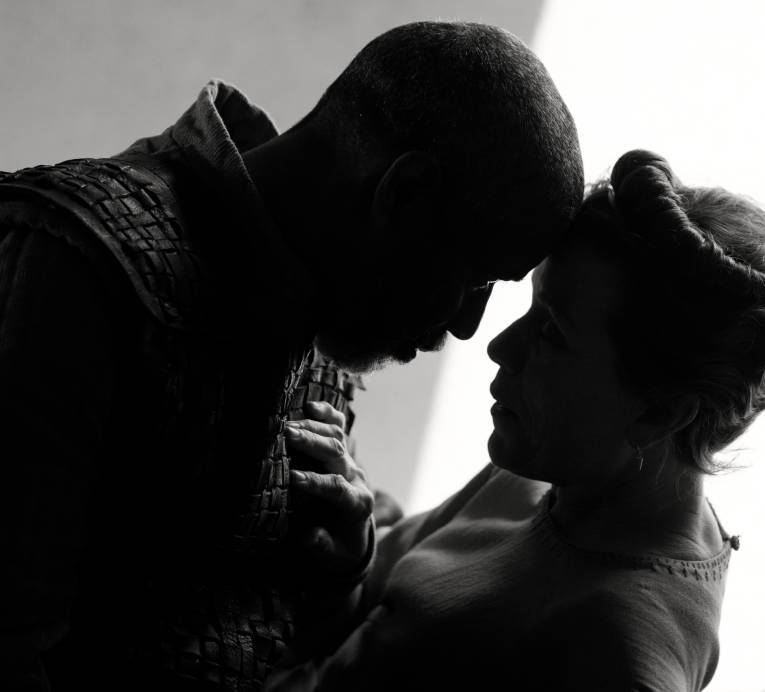
Shakespeare has been dead for over 400 years, and yet Hollywood keeps coming back to him. That says something. His plays have been adapted into films hundreds of times across every genre imaginable — from faithful period dramas to modern urban retellings — and the best of them don’t just preserve the original work, they transform it into something that feels urgently alive on screen.
The challenge with Shakespeare on film is real. The language is dense, the plots are sprawling, and audiences today have little patience for anything that feels like homework. The adaptations that actually work are the ones where a filmmaker found a genuine creative reason to make the film — not just a reverent obligation to
Whether you’ve read every play or never cracked a Folger edition in your life, these are the Shakespeare films that hold your attention from the first frame to the last.
Why Shakespeare Films Are So Hard to Get Right
Most Shakespeare adaptations fall into one of two traps. Either they’re so slavishly faithful that the film feels like a recorded stage performance — technically correct but cinematically inert — or they modernize so aggressively that the soul of the original gets lost somewhere between the costume changes and the soundtrack choices.
The films that succeed tend to do something more interesting. They find the emotional core of the play and build the entire cinematic experience around that core. The setting, the casting, the visual language — everything serves the story rather than the reputation of
That’s a harder creative problem than it sounds. Shakespeare’s plays were written for the stage, not the camera. The language does work that images can’t always replicate. The best adaptations figure out how to redistribute that work — letting the visuals carry some of what the words once had to do alone.
The Shakespeare Movies Worth Watching All the Way Through
Based on widely recognized critical consensus and the enduring reputation of these films among both scholars and general audiences, the following adaptations have earned their place as genuine cinematic achievements — not just acceptable translations of famous plays, but great films in their own right.
| Film | Source Play | Notable Approach |
|---|---|---|
| Hamlet (1996) | Hamlet | Full uncut text; Kenneth Branagh directs and stars |
| Romeo + Juliet (1996) | Romeo and Juliet | Baz Luhrmann’s modern Verona Beach setting |
| 10 Things I Hate About You (1999) | The Taming of the Shrew | Contemporary high school reimagining |
| Much Ado About Nothing (1993) | Much Ado About Nothing | Branagh’s sun-drenched Tuscany adaptation |
| The Lion King (1994) | Hamlet | Animated retelling for family audiences |
| Ran (1985) | King Lear | Akira Kurosawa’s feudal Japan transposition |
| Throne of Blood (1957) | Macbeth | Kurosawa’s samurai-era Japanese reimagining |
| O (2001) | Othello | Set in a contemporary American high school |
| Scotland, PA (2001) | Macbeth | Dark comedy set in a 1970s fast food restaurant |
| A Midsummer Night’s Dream (1999) | A Midsummer Night’s Dream | Italian countryside setting with a strong ensemble cast |
What Makes the Best Adaptations Stand Apart
A few patterns emerge when you look at what separates the great Shakespeare films from the forgettable ones.
- Bold setting choices work when they’re consistent. Baz Luhrmann’s decision to keep Shakespeare’s original dialogue while placing the action in a gun-toting, neon-lit modern city sounds like it shouldn’t work — and yet it does, because every visual and tonal decision in the film supports that central creative choice.
- Kurosawa understood Shakespeare better than most Western directors. Both Ran and Throne of Blood demonstrate that the emotional architecture of Shakespeare’s tragedies translates across cultures with almost no friction. Feudal Japan and Elizabethan England, it turns out, share a great deal when it comes to power, betrayal, and ambition.
- Comedy travels surprisingly well into modern settings. Films like 10 Things I Hate About You work because Shakespeare’s comedies were always about social dynamics, miscommunication, and romantic frustration — themes that don’t require period costumes to land.
- Animation is a legitimate Shakespeare medium. The Lion King is proof that the emotional power of Hamlet doesn’t require a single word of the original text. The structure of the story is so strong that it survives complete reinvention.
- Faithfulness to the text can be its own creative statement. Kenneth Branagh’s four-hour, uncut Hamlet is not for casual viewers — but for audiences willing to commit, it’s the most complete cinematic realization of the play ever attempted.
Why These Films Still Matter to Modern Audiences
There’s a reason Shakespeare adaptations keep getting made, and it’s not nostalgia or academic obligation. The plays work because the underlying human problems they explore — jealousy, ambition, grief, love that destroys the people who feel it — are not historical problems. They’re permanent ones.
The best Shakespeare films make that permanence visible. When you watch Ran and see an aging warlord’s kingdom collapse under the weight of his own pride, you’re not watching a history lesson. You’re watching something that could happen in any boardroom, any family, any government, at any point in human history.
That’s the argument these films make, collectively — that Shakespeare isn’t a relic to be preserved behind glass but a set of stories urgent enough to keep retelling in every era and every language available to us.
Whether you start with Kurosawa’s austere samurai tragedies or Luhrmann’s kinetic pop spectacle, the best entry point into Shakespeare on film is simply whichever one sounds most interesting to you. The plays are strong enough to survive almost any approach. The films on this list prove it.
Frequently Asked Questions
What is considered the best Shakespeare film ever made?
Critical opinion varies, but Akira Kurosawa’s Ran (1985) and Throne of Blood (1957) are consistently ranked among the greatest Shakespeare adaptations, as is Kenneth Branagh’s full-text Hamlet (1996).
Do Shakespeare film adaptations use the original text?
Not always — some adaptations like 10 Things I Hate About You and The Lion King modernize or completely reimagine the story, while others like Branagh’s Hamlet preserve the original dialogue in full.
Which Shakespeare play has been adapted into films the most?
Hamlet is among the most frequently adapted of Shakespeare’s plays, appearing in forms ranging from Branagh’s faithful four-hour version to animated retellings like The Lion King.
Are there good Shakespeare adaptations set outside of England?
Yes — Kurosawa’s Ran and Throne of Blood are set in feudal Japan, and several modern American adaptations place the stories in contemporary high school or urban settings.
Is The Lion King really a Shakespeare adaptation?
Yes — The Lion King (1994) is widely recognized as a retelling of Hamlet, following the same core story of a prince whose father is killed by a usurping uncle.


Leave a Reply