
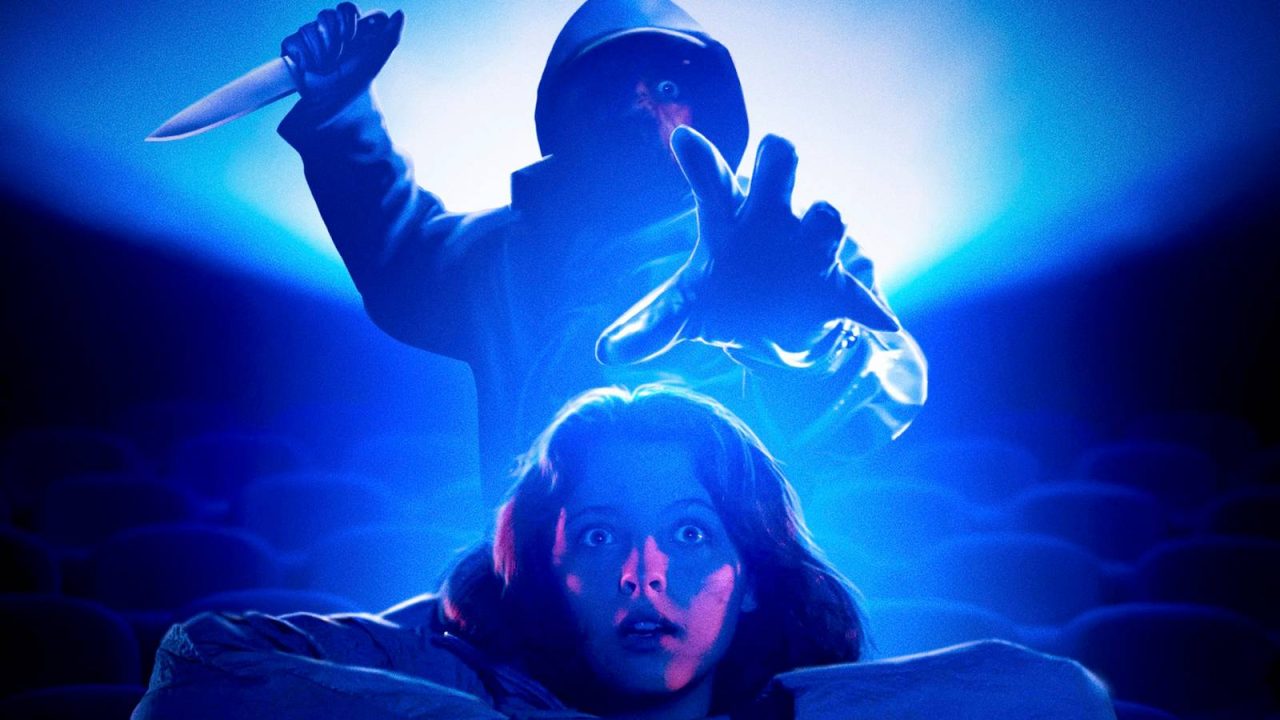
Some of the best slasher movies ever made are ones most people have never seen — or saw once on late-night cable and half-forgot by morning. The genre has always produced more films than the spotlight can hold, which means a genuinely great horror movie can slip through the cracks simply because it arrived at the wrong time, with the wrong marketing, or in the shadow of a bigger franchise.
The topic of forgotten slasher films that have held up over time is one that horror fans return to regularly — and for good reason. Rediscovering a well-crafted slasher is one of the more satisfying experiences genre cinema has to offer. The tension, the craft, the atmosphere: when those elements are done right, they don’t age. They just wait.
With that in mind, here’s a look at what makes certain overlooked slasher films worth tracking down — and why the genre’s deeper catalog deserves far more attention than it typically gets.
Why Forgotten Slasher Movies Keep Finding New Audiences
Slasher films have always existed in a strange cultural space. At their peak in the late 1970s and throughout the 1980s, studios and independent producers were churning them out at a pace that made quality control nearly impossible. For every Halloween or Friday the 13th, there were dozens of films that never found their footing at the box office — not necessarily because they were bad, but because the market was saturated.
What’s happened in the years since is interesting. Streaming platforms, genre-focused film communities, and the broader rehabilitation of horror as a serious cinematic form have given these overlooked titles a second life. Viewers who grew up with the genre’s classics are now actively hunting for what they missed, and what they’re finding is that quality was never as rare as the box office suggested.
The films that tend to age best share a few qualities: strong atmosphere, practical effects that still hold up, and a genuine sense of dread that doesn’t rely on jump scares alone. Those elements are timeless in a way that CGI-heavy modern horror often isn’t.
What Separates a Forgotten Classic From a Forgotten Failure
Not every overlooked slasher deserves rediscovery — that’s worth saying plainly. The genre produced a lot of films that were rushed, cynical, or just poorly made. The ones that have aged well tend to be the ones where someone, somewhere on the production, actually cared.
That care shows up in specific ways:
- Location and atmosphere — Films that used their settings meaningfully, whether rural isolation or urban decay, tend to feel more grounded and more frightening.
- Practical effects work — Makeup and physical effects from the era have a tactile quality that digital effects rarely replicate.
- Character work beyond the formula — The slasher genre has a reputation for thin characters, but the films that last are usually the ones that gave their cast something to work with.
- A killer with genuine menace — Not every antagonist needs a backstory, but they do need presence. The forgettable slashers are often the ones with forgettable villains.
- Tonal consistency — Films that commit to a mood, whether bleakly serious or knowingly playful, tend to hold up better than those that can’t decide what they want to be.
The Decades That Produced the Most Overlooked Gems
If you’re starting to explore the deeper catalog of slasher cinema, certain eras are more rewarding than others. Here’s a general breakdown of what each decade contributed to the genre’s hidden history:
| Era | Defining Characteristic | What to Look For |
|---|---|---|
| Late 1970s | Proto-slasher experimentation | Films influenced by giallo and early American horror, often with more psychological depth |
| Early 1980s | Genre peak and oversaturation | High volume means hidden quality exists — look for films with strong practical effects |
| Mid-to-Late 1980s | Franchise fatigue sets in | Smaller, independent productions sometimes outpaced the bigger sequels in creativity |
| 1990s | Post-slasher lull before Scream | Rare but rewarding — films that kept the flame alive before the meta revival |
| 2000s onward | Revival and reinvention | Lower-budget productions with modern sensibilities, often flying under mainstream radar |
Why This Corner of Horror Matters More Than It Gets Credit For
There’s a tendency in film discourse to treat slasher movies as the lowest rung of horror — disposable entertainment, nothing more. That framing has always undersold what the genre actually does. At its best, the slasher film is an exercise in pure cinema: suspense built through editing, sound design, and physical space rather than dialogue or exposition.
The forgotten films in this space matter because they represent craft that was often genuinely skilled, produced by filmmakers who understood the mechanics of fear and executed them on shoestring budgets. Rediscovering them isn’t just nostalgia. It’s a reminder that good filmmaking doesn’t require a wide release or a recognizable title.
Horror fans have always known this. The mainstream is just starting to catch up.
Where to Start If You Want to Explore Further
The good news is that access has never been better. Boutique labels have spent years restoring and releasing overlooked genre films with care, and streaming platforms have made deep catalog browsing genuinely practical for the first time.
The approach that works best for most viewers is to start with films from directors or producers whose better-known work you already admire, then follow the thread. The slasher genre was a small world — the same names appear across multiple productions, and tracking those connections tends to surface titles worth watching.
Beyond that, genre communities online have done remarkable archival work cataloging what exists, what’s been restored, and what’s worth your time. The conversation around forgotten horror has never been more active or more knowledgeable.
Frequently Asked Questions
What makes a slasher movie “forgotten” versus just obscure?
A forgotten slasher typically received some release and modest attention at the time but failed to enter the cultural conversation the way major franchise entries did — often due to timing, distribution limits, or market oversaturation rather than quality.
Are forgotten slasher films from the 1980s generally better than those from other decades?
The 1980s produced the highest volume of slasher films, which means both the most forgettable entries and a significant number of overlooked gems exist within that era specifically.
Where can I watch overlooked or forgotten slasher movies today?
Streaming platforms with deep horror catalogs, boutique physical media labels, and genre-specific services have made many previously hard-to-find titles accessible, though availability varies by title and region.
Do forgotten slasher films tend to hold up visually compared to modern horror?
Many do, particularly those that relied on practical makeup and effects work, which often has a tangible quality that ages more gracefully than digital effects from later eras.
Is the slasher genre considered serious cinema by critics today?
Critical reassessment of horror as a whole has elevated the genre’s reputation significantly in recent years, with serious film discourse now engaging with slasher films as legitimate works of craft rather than dismissing them outright.
What should I look for when choosing a forgotten slasher film to watch?
Strong atmosphere, committed performances, and practical effects are reliable indicators that a lesser-known slasher was made with genuine care and is more likely to reward a viewing today.


Leave a Reply