
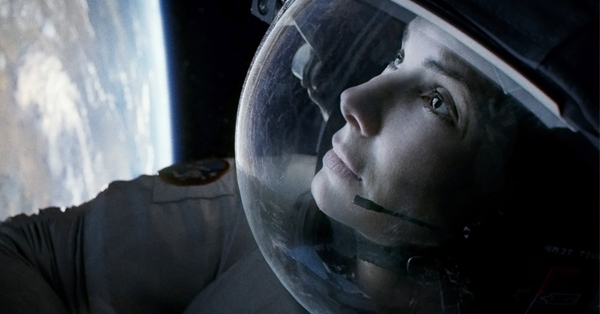
Few films have left audiences as genuinely shaken — and genuinely inspired — as Christopher Nolan’s Interstellar. It is the kind of movie that makes you feel the vastness of the universe and the smallness of a single human life at the same time. If you have ever walked out of a cinema like that and immediately wondered what to watch next, you are not alone.
The good news is that space travel cinema has produced a remarkable body of work over the decades — films that match Interstellar‘s ambition, emotional weight, and commitment to taking the cosmos seriously. Some lean harder into science. Others lean harder into feeling. A few manage to do both.
Below is a carefully considered list of space travel movies that genuinely hold up against Interstellar — not pale imitations, but films that earn their place in the same conversation.
What Makes a Space Movie as Good as Interstellar?
The bar Interstellar set is not just visual spectacle, though it certainly has that. What made it resonate so deeply was the combination of scientific ambition, emotional stakes, and a story that made the audience feel something real about time, loss, and human survival. The best space travel films share at least some of those qualities.
They tend to treat their science with respect without letting it suffocate the story. They give their characters real interior lives. And they use the scale of space — its silence, its distance, its indifference — as a dramatic force rather than just a backdrop.
The films on this list were selected with all of that in mind.
Space Travel Movies Worth Watching After Interstellar
These titles span several decades and several different approaches to space cinema, but each one has something genuine to offer fans of Interstellar.
| Film | Why It Belongs on This List |
|---|---|
| 2001: A Space Odyssey (1968) | Stanley Kubrick’s foundational masterpiece — slow, cerebral, and genuinely strange in ways that still feel unmatched |
| Contact (1997) | A deeply personal story about science, faith, and first contact that shares Interstellar’s emotional core |
| Gravity (2013) | Visceral survival filmmaking set in low Earth orbit — technically stunning and emotionally raw |
| The Martian (2015) | Optimistic, problem-solving space survival with genuine warmth and a sharp script |
| Ad Astra (2019) | A quiet, melancholy meditation on isolation and fathers and sons — more interior than most space films |
| Arrival (2016) | Technically not a space travel film but shares Interstellar’s preoccupation with time, language, and love across impossible distances |
| Apollo 13 (1995) | Grounded, true-story tension that reminds you real space travel is terrifying enough without science fiction |
| Sunshine (2007) | Danny Boyle’s underrated thriller about a crew sent to reignite the dying sun — visually extraordinary |
| First Man (2018) | Damien Chazelle’s portrait of Neil Armstrong is intimate and emotionally devastating in ways blockbusters rarely attempt |
| Europa Report (2013) | A found-footage space mission film with genuine scientific credibility and a mounting sense of dread |
The Films That Hit Closest to Interstellar’s Emotional Frequency
Contact and Arrival are probably the two films that most closely replicate what Interstellar does emotionally. Both are built around scientists — women, in both cases — who are trying to reach something beyond human understanding, and both use that impossible reaching as a way to explore grief, love, and what it means to be a person in a universe that does not particularly care about you.
Ad Astra deserves special mention for being genuinely brave in how little it asks of its audience in terms of action. Brad Pitt’s performance is almost entirely internal. The film is slow and quiet and interested in the emotional damage that ambition and distance leave behind. It is not for everyone, but for viewers who loved the quieter, more aching passages of Interstellar, it rewards patience.
2001: A Space Odyssey remains the film that every serious space movie — including Interstellar itself — is in some kind of conversation with. Kubrick’s film is more abstract and more demanding than anything else on this list, but it is also the one that most fully captures the feeling of the universe as something genuinely beyond human comprehension.
The Ones That Are Pure Craft
Gravity and Sunshine represent the more visceral end of this list. Alfonso Cuarón’s Gravity is essentially a survival thriller that happens to be set in orbit, but the technical achievement and the physical sensation of watching it are unlike almost anything else in cinema. It is a film that makes you feel weightless and terrified simultaneously.
Sunshine, directed by Danny Boyle with visual effects that genuinely hold up nearly two decades later, is criminally underseen. It starts as hard science fiction and shifts into something stranger and more disturbing in its final act. That tonal shift divides audiences, but the first two-thirds are as good as the genre gets.
First Man earns its place here by refusing to be a triumphalist NASA story. Damien Chazelle is far more interested in what the Moon mission cost Neil Armstrong personally than in the spectacle of landing there. The result is one of the most emotionally honest films ever made about space exploration.
Why These Films Still Matter
Space travel cinema at its best does something that almost no other genre can do: it makes the personal feel cosmic and the cosmic feel personal. The films on this list all understand that the reason humans look up at the stars is not purely scientific curiosity — it is something older and harder to name.
Whether you start with Kubrick’s monolith or Danny Boyle’s dying sun or the quiet devastation of Ad Astra, any of these films will give you something real to sit with long after the credits roll. That is the standard Interstellar set. These are the films that meet it.
Frequently Asked Questions
What kind of movies are similar to Interstellar?
Films that combine scientific ambition with genuine emotional stakes — such as Contact, Arrival, Ad Astra, and 2001: A Space Odyssey — tend to resonate most strongly with fans of Interstellar.
Is 2001: A Space Odyssey worth watching if you loved Interstellar?
Yes — Kubrick’s 1968 film is widely considered the foundational text of serious space cinema, and Interstellar itself is in direct conversation with it.
Are any of these films based on true events?
Apollo 13 and First Man are both grounded in real NASA history, with First Man focusing specifically on Neil Armstrong’s life and the Apollo 11 mission.
Which of these films is the most scientifically accurate?
Films like The Martian, Gravity, and Europa Report are frequently cited for their attention to scientific detail, though all films on this list take some creative liberties.
Is Arrival actually a space travel movie?
Not in the traditional sense — there is no space travel in Arrival — but it shares Interstellar‘s deep preoccupation with time, communication across impossible distances, and the emotional cost of understanding the universe.
Where can I watch these films?
Availability varies by platform and region and changes regularly, so checking a streaming aggregator service for current availability in your country is the most reliable approach.




Leave a Reply