
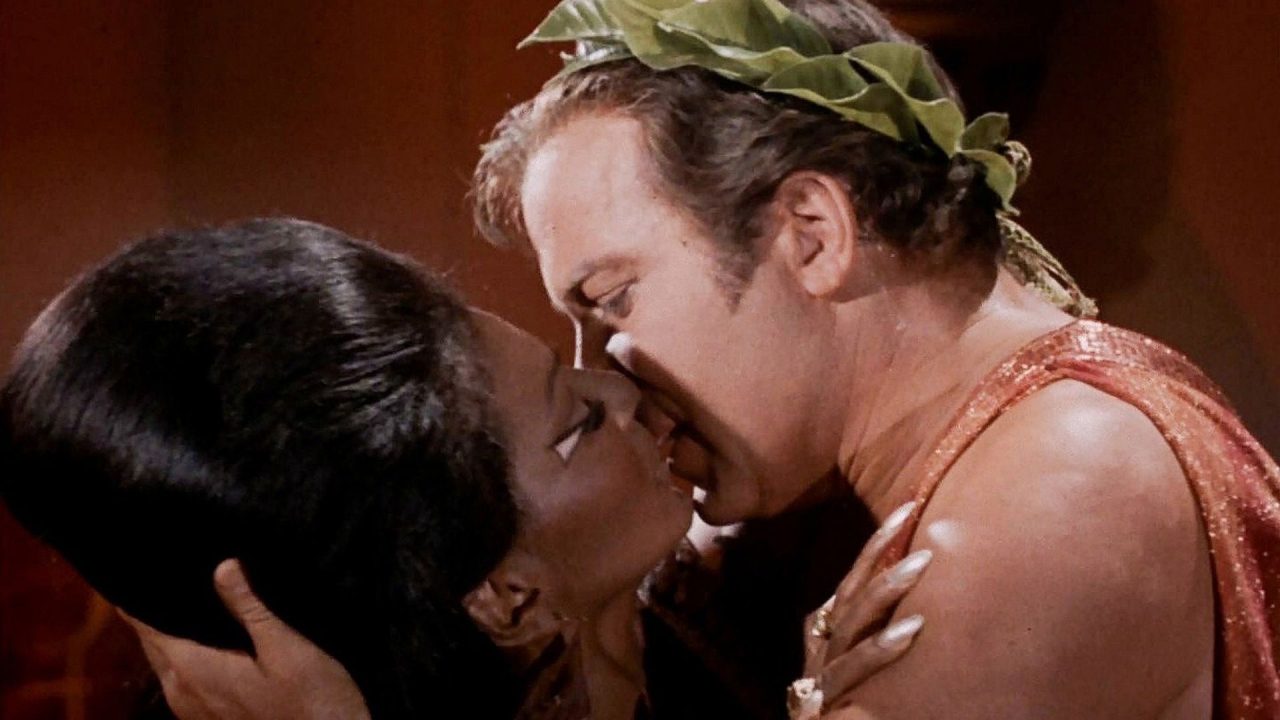
Some of the most consequential moments in television history didn’t arrive with fanfare. No awards buzz, no think pieces, no cultural countdown. They just aired — and then quietly rewired the way we think, talk, and live.
The idea that a single episode of a TV show could shift public opinion, change legislation, or redefine what’s acceptable to say out loud sounds like an overstatement. But history keeps proving otherwise. Certain episodes landed at exactly the right moment and did something that decades of activism, journalism, or political debate hadn’t managed to do: they made people feel something that changed their minds.
What’s striking isn’t just that these episodes were powerful — it’s that many of them have been largely forgotten, overshadowed by the shows they belonged to or the eras they came from. Here’s a look at the kind of TV moments that genuinely moved the needle, and why they still matter.
Why Individual TV Episodes Can Change Culture
Television has always had a unique relationship with mass influence. Unlike film, which asks audiences to leave their homes and pay for a ticket, TV enters the living room uninvited. It’s ambient. It’s trusted. And for most of broadcasting history, everyone was watching the same thing at the same time.
That shared experience created something rare: a collective emotional moment. When a show tackled a subject that was considered taboo, dangerous, or simply unspoken, millions of people encountered it simultaneously — and suddenly the unspeakable had been spoken, right there between the evening news and the late show.
This is why certain episodes function less like entertainment and more like cultural turning points. They don’t just reflect the times — they actively shape what comes next.
The Pattern Behind Episodes That Actually Changed Things
Not every bold or controversial episode leaves a lasting mark. The ones that do tend to share a few common traits worth understanding.
- They addressed something the mainstream was actively avoiding. The most impactful episodes didn’t follow public opinion — they ran ahead of it, forcing audiences to confront something they hadn’t been asked to think about yet.
- They humanized rather than lectured. Episodes that changed minds tended to put a human face on an issue rather than deliver a sermon. Viewers connected with characters before they connected with causes.
- They aired at a moment of cultural tension. Timing mattered enormously. An episode that might have gone unnoticed in one decade landed like a grenade in another, simply because the audience was ready — or just barely not ready — to hear it.
- They were forgotten precisely because they worked. This is the strange paradox of culturally transformative TV. Once an episode shifts the conversation, the thing it was fighting for starts to feel obvious. The episode gets left behind, absorbed into the new normal it helped create.
What “Forgotten” Really Means in This Context
It’s worth being precise about what makes an episode “forgotten.” These aren’t episodes that were ignored when they aired. Many of them caused genuine controversy, generated headlines, and sparked real debate. The forgetting happens later.
As culture moves on, the specific episode gets detached from the change it helped cause. People remember that attitudes shifted — they don’t always remember the exact moment on television that accelerated the shift. The episode becomes a footnote, or disappears entirely from the cultural memory, even as its effects persist.
There’s also a generational element. An episode that was genuinely shocking to a 1970s or 1980s audience can seem unremarkable to someone watching it today, precisely because the world the episode helped build is now the default. The radicalism has been absorbed. The danger has evaporated.
The Kinds of Issues Television Tackled Before Anyone Else Would
Across decades of broadcasting, certain recurring categories of subject matter show up in episodes that punched above their weight culturally. These include topics that were either legally sensitive, socially stigmatized, or politically radioactive at the time of broadcast.
| Subject Area | Why TV Addressed It First | Typical Cultural Impact |
|---|---|---|
| Civil rights and race | Drama allowed emotional engagement that news coverage couldn’t always achieve | Shifted empathy and public understanding faster than policy debates |
| LGBTQ+ representation | Serialized storytelling built audience attachment to characters before identity became the focus | Normalized visibility and reduced stigma over time |
| Mental health and addiction | Fictional framing reduced shame and allowed viewers to see themselves in characters | Opened conversations that families and institutions were avoiding |
| Domestic violence and abuse | TV reached audiences that weren’t reading policy papers or attending advocacy events | Encouraged reporting, changed legal attitudes, influenced support services |
| War and political dissent | Prime-time drama could frame moral complexity in ways news broadcasts were constrained from doing | Shaped public opposition or support for specific conflicts and policies |
In each of these areas, individual episodes — not whole seasons, not entire series, but specific hours of television — served as inflection points. They gave people language and images for things they hadn’t been able to articulate before.
Why These Episodes Deserve to Be Remembered
There’s something almost unfair about how cultural memory works. The episodes that did the heaviest lifting — that took the biggest risks, that faced the most pushback, that opened the most doors — are often the ones least likely to appear on a “greatest episodes” list today.
Part of that is taste. Episodes built around social impact don’t always hold up as pure television craft. They were weapons, not art objects, and they show the scars of that purpose.
But the forgetting also says something about how we treat progress. We absorb the gains and discard the struggle. Revisiting these episodes isn’t just an exercise in TV history — it’s a reminder of how contested the things we now take for granted actually were, and how much a single hour of television, at the right moment, could genuinely matter.
That’s not a small thing. That’s television at its most serious, and its most human.
Frequently Asked Questions
What makes a TV episode “world-changing” rather than just controversial?
A truly world-changing episode tends to shift public attitudes, influence policy, or permanently alter what subjects are considered acceptable for mainstream television — not just generate short-term debate.
Why are so many of these impactful episodes described as “forgotten”?
Once an episode successfully moves the cultural needle, the change it created becomes the new normal, and the episode itself gets left behind — its radicalism absorbed into everyday life.
Did these episodes face backlash when they originally aired?
Many of the most impactful episodes generated significant controversy, advertiser pressure, and public debate at the time of broadcast, which is part of what made them culturally significant.
Are there specific decades when TV was more likely to produce these kinds of episodes?
Certain periods — particularly the 1970s, early 1990s, and early 2000s — saw concentrated bursts of socially ambitious television, often tied to broader cultural and political tensions of those eras.
Does streaming change whether a single episode can have this kind of cultural impact?
The fragmentation of modern audiences makes it harder for any single episode to reach the kind of mass simultaneous viewership that amplified the impact of broadcast-era television moments.
Where can I find more information about specific episodes mentioned in the original source?
The original article by Ben Sherlock is published at Screen Rant and provides episode-specific details beyond the general framework discussed here.

Leave a Reply