
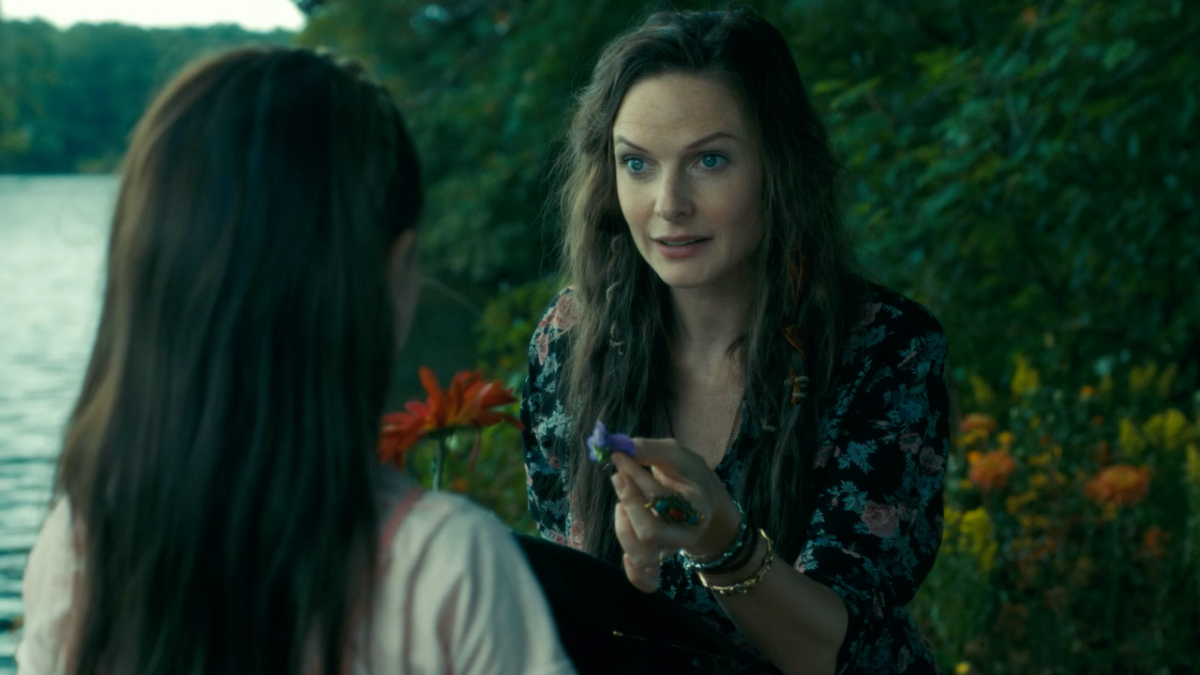
Few filmmakers get a second chance to make a first impression — but in the world of Stephen King adaptations, those opening minutes can define whether a film becomes a classic or a forgettable misfire. King’s source material is rich with atmosphere, dread, and deeply human characters, and the best adaptations understand that setting the tone immediately is everything.
Over the decades, Hollywood has returned to King’s catalog again and again, producing dozens of films ranging from masterpieces to disasters. What separates the genuinely great ones from the rest often comes down to craft — and nowhere is that craft more visible than in the opening scene.
Since
Why Opening Scenes Matter So Much in Stephen King Films
King’s storytelling has always been rooted in ordinary people confronting extraordinary terror. His novels often spend considerable time building a world before the horror arrives. Film doesn’t have that luxury — a movie has roughly five minutes to convince an audience they’re in good hands.
The best King adaptations understand this instinctively. They don’t waste time. They establish place, character, and unease simultaneously, pulling the viewer into a specific emotional register before a single monster appears or a single act of violence occurs.
When that opening works, it creates something rare: a film that feels inevitable, like it couldn’t have started any other way.
Stephen King Adaptations Known for Their Opening Sequences
Several King adaptations have earned particular recognition for how effectively they open. These films demonstrate a range of approaches — some rely on quiet dread, others on sudden shock, and some on pure atmosphere.
- The Shining (1980) — Stanley Kubrick’s aerial tracking shot following Jack Torrance’s yellow Volkswagen through the Colorado mountains remains one of cinema’s most studied opening sequences. The vastness of the landscape, the smallness of the car, and Wendy Carlos’s unsettling score tell you everything you need to know about the isolation to come.
- Carrie (1976) — Brian De Palma opens with the infamous locker room scene, immediately establishing Carrie White as an outsider and setting up the film’s central dynamic of cruelty and vulnerability. It’s discomforting in ways that have nothing to do with the supernatural.
- It (2017) — Andy Muschietti’s adaptation opens with Georgie Denbrough folding his paper boat in the rain before his encounter with Pennywise in the storm drain. The scene is warm and childlike right up until it isn’t, making the horror that follows feel genuinely devastating.
- Misery (1990) — Rob Reiner’s film opens with Paul Sheldon finishing his manuscript in a Colorado hotel room, a sequence that quietly and efficiently establishes character, stakes, and the snowstorm that will trap him.
- Stand by Me (1986) — The film opens with an adult narrator reading a newspaper clipping about a friend’s death, immediately grounding the entire story in loss and memory before a single childhood scene plays out.
- Pet Sematary (1989) — The opening credits sequence, with its slow pan across the pet cemetery and its hand-painted signs, sets a tone of quiet, rural wrongness that the rest of the film builds on.
What These Openings Have in Common
| Film | Year | Director | Opening Technique |
|---|---|---|---|
| The Shining | 1980 | Stanley Kubrick | Aerial tracking shot, isolation through landscape |
| Carrie | 1976 | Brian De Palma | Social cruelty before supernatural threat |
| It | 2017 | Andy Muschietti | Warmth-to-horror contrast, character investment |
| Misery | 1990 | Rob Reiner | Quiet character establishment, environmental dread |
| Stand by Me | 1986 | Rob Reiner | Framing device, emotional stakes set immediately |
| Pet Sematary | 1989 | Mary Lambert | Atmospheric wrongness through setting alone |
The pattern across these films is consistent. The best openings don’t rush. They trust that atmosphere is doing real work, and they resist the temptation to explain too much too soon. They invite the audience in before making them deeply uncomfortable.
The Ones That Got It Wrong — and What That Reveals
It’s worth noting that not every King adaptation handles its opening with the same care. Some films stumble immediately, front-loading exposition or CGI spectacle before the audience has any emotional investment in the characters.
The contrast is instructive. When an opening scene earns its horror — when it makes you care about someone before threatening them — the rest of the film has a foundation to build on. When it doesn’t, even technically impressive sequences tend to feel hollow.
King’s work is fundamentally about people, and the adaptations that remember this tend to produce the strongest opening moments. The terror in It lands because Georgie feels real. The dread in The Shining works because Kubrick makes the Overlook feel like a place before it becomes a threat.
Why This Still Matters for New Adaptations
King’s catalog continues to be adapted at a steady pace, with new projects announced regularly. Each one faces the same challenge: how do you take material that readers have lived with for years, sometimes decades, and convince them in the first few minutes that this version is worth their time?
The answer, based on the films that have gotten it right, is deceptively simple. Establish a world that feels real. Introduce a person worth caring about. Let the unease arrive naturally rather than forcing it. And trust that a well-constructed opening scene will carry an audience through almost anything that follows.
The best Stephen King adaptations don’t just adapt his plots. They adapt his instinct for atmosphere — and that instinct always starts at the very beginning.
Frequently Asked Questions
Which Stephen King film adaptation is most praised for its opening scene?
Stanley Kubrick’s The Shining (1980) is frequently cited as having one of the most effective opening sequences in horror cinema, using an aerial tracking shot to establish isolation and dread before a single word of dialogue is spoken.
Does Stephen King himself approve of these adaptations?
King’s views on adaptations of his work vary considerably and are well documented publicly, though specific quotes about individual opening scenes are not covered in the available source material for this article.
What makes a Stephen King adaptation opening scene work?
Based on the most acclaimed examples, the common elements are atmospheric patience, immediate character investment, and a sense of wrongness that builds organically rather than being forced on the audience.
Which director has adapted Stephen King most successfully?
Rob Reiner directed two widely praised King adaptations — Stand by Me (1986) and Misery (1990) — both of which are noted for their strong opening sequences and overall quality.
Are there King adaptations with notably weak opening scenes?
Several King adaptations have been criticized for failing to establish tone or character effectively at the outset, though specific titles are best assessed based on broader critical consensus rather than this single source.
Is the topic of King adaptation opening scenes a widely discussed subject?
Yes — film critics and King fans regularly analyze what separates successful adaptations from unsuccessful ones, and the opening scene is consistently identified as a key factor in that conversation.

Leave a Reply