
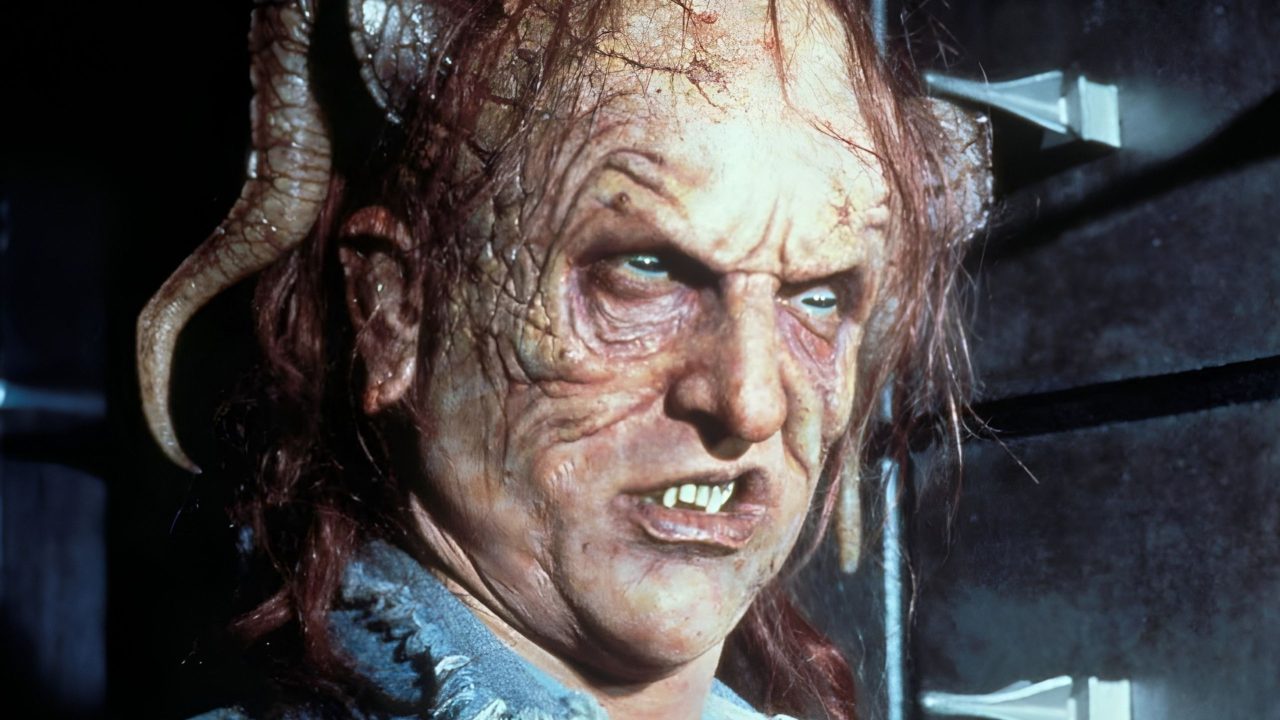
What if one of the greatest opening scenes in post-apocalyptic television history belongs to a show most people have never finished — or never started? That’s the quiet, persistent argument made by fans of Stephen King’s The Stand, a four-part miniseries adaptation that has spent years sitting in the shadow of bigger, louder end-of-the-world stories.
The show is based on King’s sprawling 1978 novel — one of his most ambitious works — and it has earned a reputation as underrated, uneven, and oddly unforgettable in equal measure. But the conversation around it keeps coming back to one thing: that opening.
For anyone who loves post-apocalyptic storytelling, The Stand is worth revisiting for that sequence alone. Here’s why it still holds up, and why the show deserves more attention than it typically gets.
What Stephen King’s The Stand Actually Is
The Stand is a miniseries adapted from King’s novel of the same name, which follows the near-total collapse of human civilization after a weaponized strain of influenza — nicknamed “Captain Trips” — escapes a government facility and tears through the global population. The story then follows the survivors as they divide into two factions: one drawn toward a 108-year-old woman named Mother Abagail, and another pulled toward the mysterious and malevolent Randall Flagg.
The most well-known adaptation is the 1994 miniseries, which aired on ABC and starred Gary Sinise, Molly Ringwald, Rob Lowe, and Kathy Bates. It ran across four parts and became a cultural touchstone for fans of King’s work, even if mainstream audiences largely moved on. A more recent limited series adaptation aired on CBS All Access in 2020, starring James Marsden and Whoopi Goldberg, though it received a more mixed reception.
When fans talk about the greatest opening scene in post-apocalyptic TV history, they are most often pointing to the 1994 version — and the haunting, almost wordless way it establishes the end of the world.
Why That Opening Scene Has Stayed With Viewers for Decades
The opening of the 1994 miniseries does something that most apocalyptic stories struggle to pull off: it makes the end of civilization feel quiet, mundane, and therefore genuinely terrifying. Rather than explosions or chaos, the sequence uses stillness. Bodies slumped at gas stations. A car drifting slowly into a fuel pump. A family collapsed mid-meal. The world doesn’t end with a bang — it just stops.
Set to the Blue Öyster Cult song “Don’t Fear the Reaper,” the scene achieves a tone that is both eerie and oddly peaceful, which makes it more unsettling than any disaster-movie spectacle could. It trusts the viewer to feel the weight of what they’re seeing without being told how to feel.
That creative choice — restraint over spectacle — is rare in the genre, and it’s a big reason the scene has been discussed and referenced for more than thirty years since it first aired.
Where The Stand Fits in Post-Apocalyptic TV History
Post-apocalyptic television has become one of the dominant genres of the streaming era, with shows like The Walking Dead, The Last of Us, and Station Eleven drawing massive audiences. Against that backdrop, The Stand can feel like a relic — a slower, more theatrical production made for a different era of television.
But that’s also part of its appeal. It was made before the genre had a formula, before showrunners knew exactly what audiences expected from the end of the world. That gives it a rawness that more polished productions sometimes lack.
| Adaptation | Year | Format | Network | Notable Cast |
|---|---|---|---|---|
| The Stand (Miniseries) | 1994 | 4-Part Miniseries | ABC | Gary Sinise, Molly Ringwald, Rob Lowe, Kathy Bates |
| The Stand (Limited Series) | 2020 | Limited Series | CBS All Access | James Marsden, Whoopi Goldberg |
What Makes The Stand Easy to Overlook — and Worth Watching Anyway
The honest truth about The Stand is that it isn’t a perfect show. The 1994 miniseries is slow by modern standards, occasionally stagey, and the later parts don’t always live up to the promise of that extraordinary opening. That unevenness is probably the main reason it gets filed under “cult classic” rather than “essential viewing.”
But the things it does well, it does exceptionally well. The casting of the 1994 version brought real weight to King’s characters. The tone — dark, mythological, deeply American — is something And the pandemic storyline at its core has only grown more resonant over time, particularly after the events of 2020 gave audiences a very different lens through which to watch a civilization-ending virus spread.
- The 1994 miniseries remains the most beloved adaptation among King fans
- The opening sequence set to “Don’t Fear the Reaper” is widely cited as one of the most effective scene-setters in the genre
- King’s source novel is considered one of his defining works, running to over 1,000 pages in its uncut edition
- The show’s pandemic premise has taken on new cultural weight in the years since COVID-19
- Both adaptations follow the same core conflict: good versus evil in the aftermath of societal collapse
Why Now Is a Good Time to Revisit It
Audiences who came of age watching The Last of Us or Station Eleven and want to understand the roots of modern post-apocalyptic television would do well to go back to The Stand. It’s a direct ancestor of much of what the genre has become, and its influence — particularly that opening — is more visible than many people realize.
The 1994 miniseries is available to stream, and even if you only watch the first thirty minutes, you’ll understand exactly why people keep talking about it. Some scenes just stick. This one has been sticking for over three decades.
Frequently Asked Questions
What is Stephen King’s The Stand about?
It follows the survivors of a devastating pandemic caused by a weaponized flu strain, as they divide between a force of good and the villainous Randall Flagg in a battle for humanity’s future.
How many parts does The Stand miniseries have?
The 1994 ABC adaptation is a four-part miniseries.
Who starred in the 1994 version of The Stand?
The cast included Gary Sinise, Molly Ringwald, Rob Lowe, and Kathy Bates, among others.
What song plays during the famous opening scene?
The opening sequence is set to “Don’t Fear the Reaper” by Blue Öyster Cult, which became closely associated with the miniseries.
Is there a more recent adaptation of The Stand?
Yes — a limited series adaptation aired in 2020 on CBS All Access, starring James Marsden and Whoopi Goldberg, though it received a more mixed reception than the 1994 version.
Is The Stand based on a Stephen King novel?
Yes, it is adapted from King’s 1978 novel of the same name, which is one of his longest and most celebrated works.


Leave a Reply