
Some movies don’t just entertain — they grip you so tightly you forget to breathe. The thriller genre has produced some of cinema’s most unforgettable experiences, films that weaponize silence, timing, and dread in ways that stay with audiences long after the credits roll.
Whether it’s a chase through a crowded city, a killer hiding in plain sight, or a conspiracy slowly closing in on an ordinary person, the most suspenseful thriller movies share one quality: they make the impossible feel inevitable. And certain films have done this better than almost anything else ever put on screen.
If you’re looking for the kind of movie that makes your palms sweat and your heart rate climb, here are eight of the most suspenseful thriller films in cinema history — and what makes each one genuinely hard to shake.
What Makes a Thriller Truly Suspenseful?
There’s a difference between a movie that scares you and a movie that suspends you in a state of dread. Jump scares fade. Real suspense lingers. The greatest thriller films build tension through character, stakes, and the unbearable gap between what the audience knows and what the characters don’t.
Alfred Hitchcock — widely considered the master of the form — understood this better than anyone. He famously distinguished between surprise and suspense: surprise lasts a moment, but suspense can last an entire film. That principle runs through every great thriller on this list.
The films below were selected based on their lasting cultural impact, their craftsmanship in building tension, and their ability to hold up across decades of repeat viewings.
The 8 Most Suspenseful Thriller Movies, Ranked
| Rank | Film Title | Director | Year | Core Suspense Element |
|---|---|---|---|---|
| 1 | Psycho | Alfred Hitchcock | 1960 | Misdirection and psychological dread |
| 2 | The Silence of the Lambs | Jonathan Demme | 1991 | Predator-prey tension and psychological manipulation |
| 3 | Rear Window | Alfred Hitchcock | 1954 | Voyeurism and helpless observation |
| 4 | Se7en | David Fincher | 1995 | Escalating dread and an unrelenting villain |
| 5 | No Country for Old Men | Coen Brothers | 2007 | Unstoppable threat and moral inevitability |
| 6 | Gone Girl | David Fincher | 2014 | Unreliable narration and domestic paranoia |
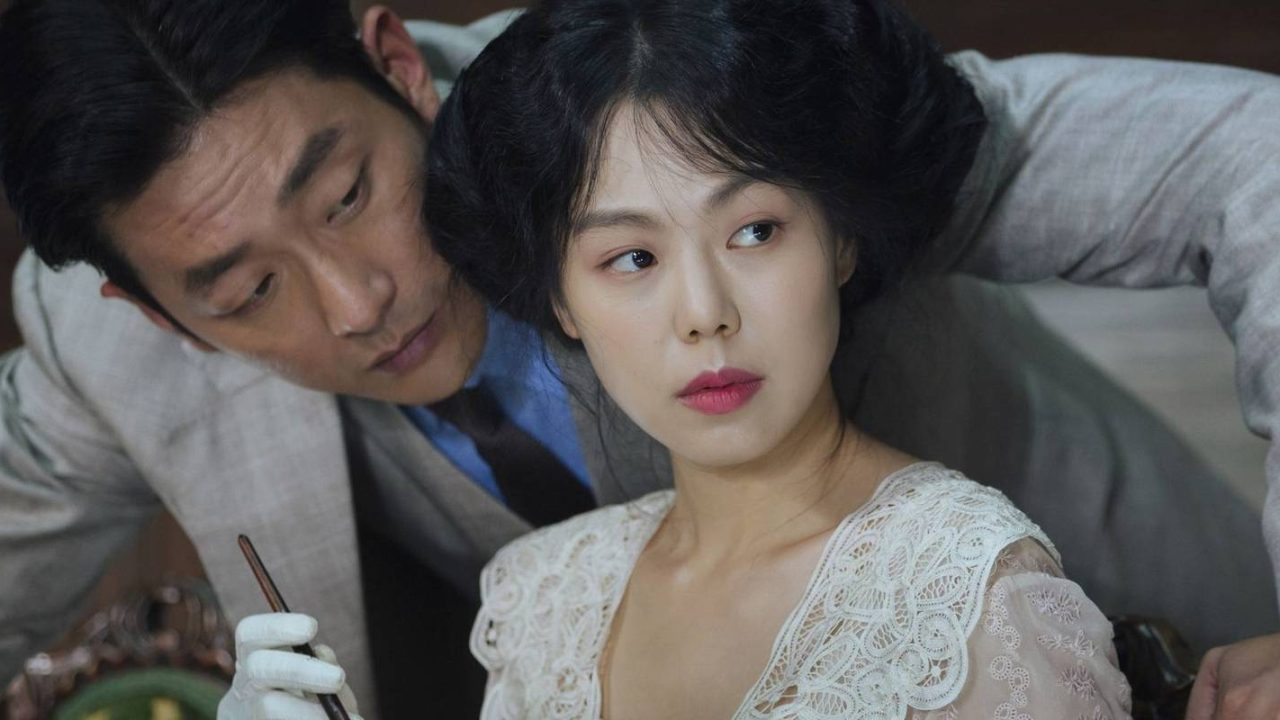
| 7 | Parasite | Bong Joon-ho | 2019 | Class anxiety and tonal whiplash |
| 8 | Prisoners | Denis Villeneuve | 2013 | Moral ambiguity and parental desperation |
The Films That Defined the Genre
Hitchcock’s influence dominates the upper tier of any honest suspense ranking, and for good reason. Psycho broke every rule audiences thought they understood about how stories were supposed to work. It killed its apparent protagonist before the film was half over, then replaced one kind of dread with something far darker. Decades later, it still works.
Rear Window is arguably even more technically brilliant — a film almost entirely set in a single apartment, where a man with a broken leg watches his neighbors through binoculars and becomes convinced he’s witnessed a murder. The horror of being unable to act, of watching danger from a distance, has never been more effectively staged.
The Silence of the Lambs arrived in 1991 and immediately became the gold standard for psychological thriller filmmaking. The dynamic between FBI trainee Clarice Starling and imprisoned cannibal Hannibal Lecter is one of cinema’s most disturbing and compelling relationships — every conversation feels like a chess match where only one player knows all the rules.
David Fincher appears twice on this list, which tells you something. Se7en built its reputation on making the audience feel trapped inside a world with no exits. Gone Girl did something different — it turned a marriage into a crime scene and made viewers question everything they thought they knew about the people on screen.
Modern Thrillers That Earned Their Place
The Coen Brothers’ No Country for Old Men is perhaps the most purely terrifying film on this list — not because of violence, but because of Anton Chigurh, a villain who operates with such cold, remorseless logic that he feels genuinely inhuman. The tension in every scene he appears in is almost unbearable.
Parasite earned its place in thriller history by doing something few films manage: it changed genres mid-story without losing the audience. What begins as a darkly comic class satire becomes something genuinely terrifying, and Bong Joon-ho controls every shift with extraordinary precision.
Denis Villeneuve’s Prisoners rounds out the list as one of the most emotionally brutal thrillers of the modern era. It asks how far a parent would go to find a missing child — and then keeps pushing that question past every comfortable answer. Hugh Jackman’s performance and Roger Deakins’ cinematography combine to create a film that feels physically oppressive from beginning to end.
Why These Films Still Matter
The best suspenseful thrillers don’t just entertain — they reveal something about how humans respond to fear, uncertainty, and moral pressure. They put ordinary people in impossible situations and force audiences to ask what they would do.
That’s why films like Psycho and Rear Window still feel fresh more than sixty years after they were made. And it’s why newer entries like Parasite and Prisoners are already being discussed alongside the classics.
Great suspense is timeless. The feeling of not knowing what comes next — of being genuinely unable to look away — doesn’t age.
Frequently Asked Questions
What is considered the most suspenseful thriller movie of all time?
Based on critical consensus and lasting cultural impact, Alfred Hitchcock’s Psycho (1960) is widely regarded as one of the most suspenseful thriller films ever made, renowned for its misdirection and psychological dread.
Which director appears most often on lists of the best suspenseful thrillers?
Alfred Hitchcock is the most frequently cited director in the thriller genre, with films like Psycho and Rear Window consistently appearing on ranked lists. David Fincher is another director whose work — including Se7en and Gone Girl — regularly earns top-tier recognition.
Are any modern films considered as suspenseful as classic Hitchcock thrillers?
Yes — films like Parasite (2019), No Country for Old Men (2007), and Prisoners (2013) are widely considered to stand alongside the classics in terms of sustained tension and craft.
What separates a suspenseful thriller from a horror movie?
Thrillers typically build tension through psychological pressure, moral stakes, and uncertainty rather than supernatural elements or gore. The dread in a great thriller comes from what might happen, not just what does.
Is The Silence of the Lambs a thriller or a horror film?
The Silence of the Lambs is generally classified as a psychological thriller, though it contains horror elements. It won the Academy Award for Best Picture in 1992, a rare achievement for the genre.
Where can I watch these suspenseful thriller movies?
Availability varies by platform and region. Most of these films are available on major streaming services or for digital rental — checking platforms like Amazon Prime Video, Netflix, or Apple TV is a reliable starting point.



Leave a Reply