
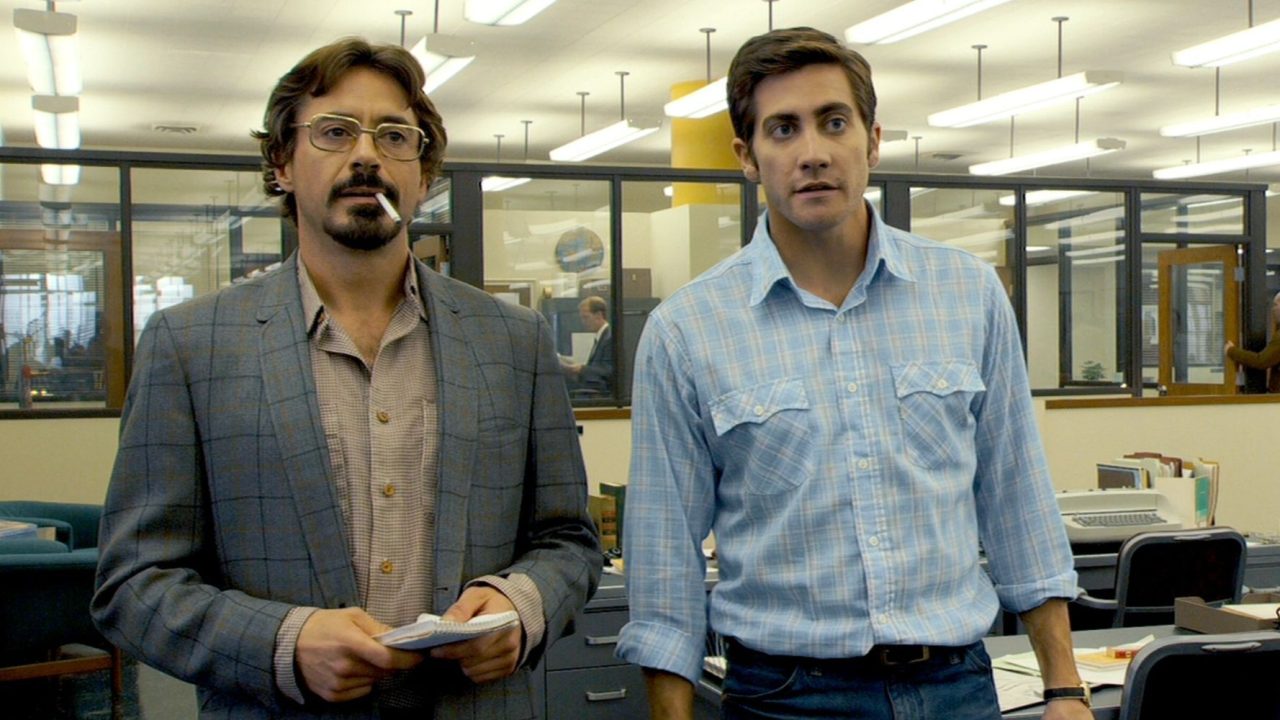
Some thriller movies start strong and then lose momentum halfway through. Others build slowly but stick the landing. A rare few — and this is what separates the truly great ones — hold you completely from the opening scene to the final frame, never once letting you breathe easy.
If you’ve ever finished a thriller feeling vaguely cheated, you know exactly what that rare consistency is worth. The films that earn it tend to become the ones you recommend obsessively, rewatch more than once, and think about long after the credits roll.
Here’s a look at what makes a thriller truly work from start to finish — and the kinds of films that consistently deliver that experience.
What Makes a Thriller Amazing From Start to Finish?
The thriller genre is one of the most crowded in cinema. Every year brings dozens of new entries — psychological thrillers, crime thrillers, legal thrillers, paranoid conspiracy films. Most of them have at least one good sequence. Far fewer sustain tension across an entire runtime.
The ones that do tend to share a few common qualities. The stakes feel personal, not just plot-mechanical. The pacing never lets the audience fully settle. And the ending — whether a twist, a revelation, or a quiet gut punch — feels earned rather than tacked on.
Character work matters just as much as plot. When you actually care what happens to the person on screen, every threat lands harder. That emotional investment is what separates a technically competent thriller from one that genuinely gets under your skin.
The Qualities That Define the Best Thriller Movies
Not every great thriller relies on the same formula. Some are slow burns. Some are relentless from the first minute. But across the best examples of the genre, certain elements consistently appear:
- A compelling central mystery or threat — something the audience genuinely wants resolved
- Sustained pacing — no sagging middle act where tension evaporates
- Strong performances — actors who make you believe the danger is real
- Atmosphere and tone — visual and sonic choices that keep unease present even in quiet scenes
- A satisfying ending — one that pays off the setup without feeling cheap or arbitrary
- Rewatchability — the ability to reveal new layers on a second or third viewing
The films that check most of these boxes are the ones that tend to endure. They don’t just work in the moment — they hold up.
A Framework for Rating Thriller Consistency
One useful way to think about thriller quality is to break a film’s runtime into three acts and ask honestly how well each one works. Many thrillers score high on two out of three. The truly exceptional ones score across the board.
| Thriller Element | What It Looks Like When Done Well | What It Looks Like When It Fails |
|---|---|---|
| Opening Act | Immediate tension, clear stakes, compelling hook | Slow setup with no payoff signal, confusing tone |
| Middle Act | Escalating pressure, character depth, no dead zones | Repetitive scenes, dropped subplots, pacing collapse |
| Final Act | Earned resolution, emotional payoff, memorable close | Rushed ending, unearned twist, unsatisfying conclusion |
| Performance | Actors who make threat feel viscerally real | Flat delivery that distances the audience from danger |
| Atmosphere | Consistent dread even in low-action scenes | Tonal inconsistency that breaks immersion |
Why Thriller Movies Reward Patient Viewers
There’s something particular about the thriller genre that rewards audiences who pay attention. Unlike action films — where spectacle can carry a weak script — thrillers tend to live or die on detail. A line of dialogue that seems throwaway in the first act often turns out to be load-bearing by the third.
That’s why the best thrillers are so rewatchable. The first time through, you’re following the plot. The second time, you’re watching how the filmmakers laid the groundwork — every planted clue, every misdirection, every piece of information withheld just long enough to maximize impact.
It’s also why a weak ending can retroactively damage an otherwise strong film. When the payoff doesn’t match the buildup, viewers don’t just feel disappointed in the final scene — they start questioning whether the tension earlier was actually earned, or just manufactured.
What Separates Good Thrillers From Truly Great Ones
The gap between a good thriller and a great one often comes down to specificity. The most memorable films in the genre aren’t just tense — they have a distinct point of view. They’re about something beyond their plot mechanics.
The paranoid thrillers of the 1970s were about institutional distrust. Contemporary psychological thrillers often explore identity, memory, and the unreliability of perception. The best crime thrillers use their genre framework to examine class, power, or moral ambiguity in ways that linger.
When a thriller has that kind of thematic depth underneath its surface tension, it stops being just an entertaining watch and becomes something closer to a genuinely affecting piece of cinema. Those are the films that tend to make lists like this one — and stay on them for decades.
Frequently Asked Questions
What makes a thriller movie hold up from start to finish?
The best thrillers maintain consistent pacing, strong character investment, and a satisfying payoff — none of the three acts should feel weaker than the others.
Why do so many thrillers lose momentum in the middle?
The middle act is the hardest to sustain because it must escalate tension without resolving it — many films struggle to add new pressure without repeating earlier beats.
Are psychological thrillers harder to pull off than action-driven ones?
Psychological thrillers rely almost entirely on atmosphere, performance, and script — there’s less spectacle to compensate for weak writing, which raises the difficulty considerably.
What makes a thriller ending feel earned rather than cheap?
An earned ending connects back to character choices and planted details from earlier in the film — a twist that works is one the audience could have seen coming if they’d been paying closer attention.
Why are great thrillers so rewatchable?
Because the best ones are constructed with layers — details that seemed incidental on first viewing reveal their significance once you know how the story ends.
Is atmosphere as important as plot in a thriller?
Arguably yes — sustained dread between action sequences is what keeps audiences genuinely unsettled, and without strong atmosphere, even a well-plotted thriller can feel flat.



Leave a Reply