
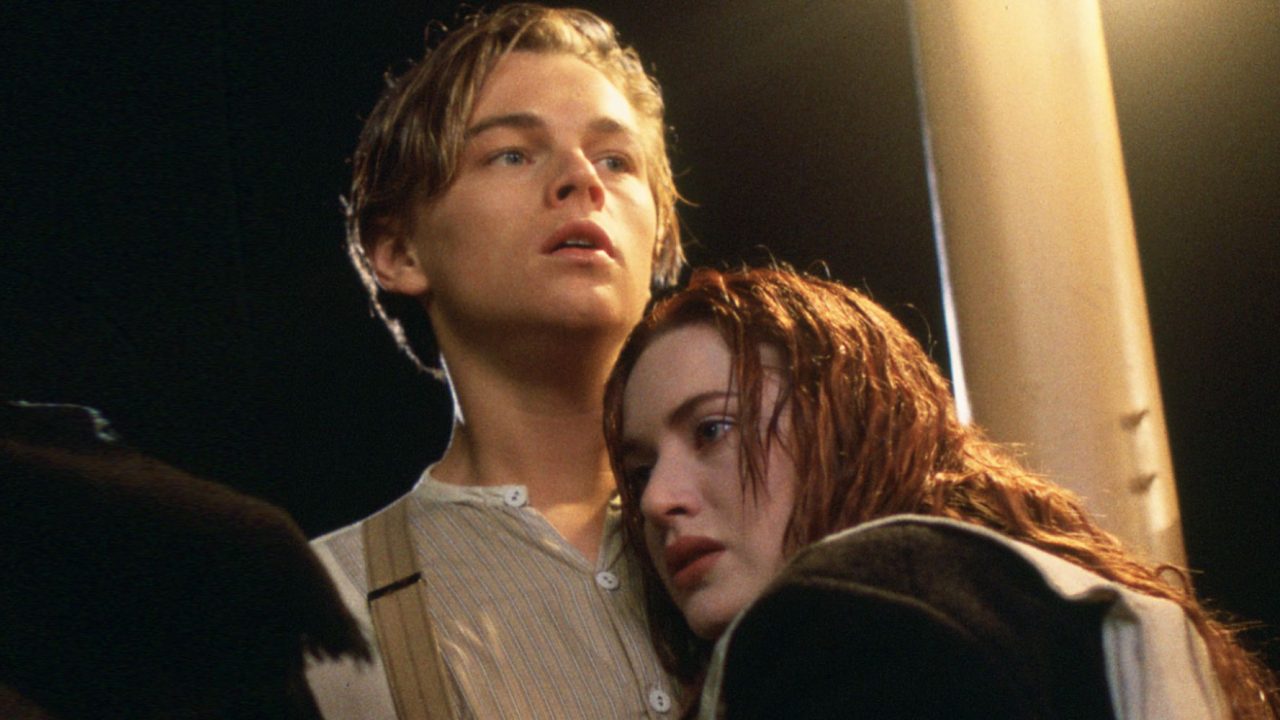
What separates a truly great epic film from one that simply looks the part? Scale and spectacle can carry a movie so far — but without performances that make you forget you’re watching actors, even the grandest production can feel hollow. The best epic movies manage both: worlds so vast they feel like history, and performances so vivid they feel like memory.
The topic of epic movie masterpieces with great acting draws from a rich tradition in cinema — films where ambition and artistry align, where the size of the story matches the depth of the performances. These are the films that critics and audiences return to, debate endlessly, and hold up as proof of what cinema can achieve when everything comes together.
Because
Why Epic Films With Great Acting Hit Differently
The word “epic” gets thrown around loosely, but in cinema it carries a specific weight. Epic films typically involve sweeping historical or mythological settings, large-scale production, and stories that span generations, civilizations, or wars. Think of the Roman Colosseum, the beaches of Normandy, the plains of ancient Japan.
What elevates the best of these films above spectacle is performance. A massive battle sequence creates awe. A single close-up of an actor’s face — grief, resolve, fear — creates connection. The films that endure are the ones where both work in harmony.
Great acting in an epic context is also a particular challenge. Actors must hold emotional truth while surrounded by thousands of extras, practical effects, and the weight of historical or mythological expectation. The performances that succeed under those conditions are genuinely remarkable achievements.
The Films Most Consistently Recognized as Epic Masterpieces
Across decades of film criticism, awards history, and audience consensus, a core group of films appears again and again when the conversation turns to epic cinema with outstanding performances. These titles represent the standard against which other ambitious films are measured.
| Film | Year | Why It’s Recognized |
|---|---|---|
| Lawrence of Arabia | 1962 | Peter O’Toole’s defining performance; multiple Academy Awards including Best Picture |
| Schindler’s List | 1993 | Liam Neeson, Ben Kingsley, Ralph Fiennes; seven Academy Awards |
| The Godfather | 1972 | Marlon Brando, Al Pacino; widely cited as one of the greatest films ever made |
| Gladiator | 2000 | Russell Crowe’s Oscar-winning lead performance; Best Picture winner |
| Apocalypse Now | 1979 | Marlon Brando, Martin Sheen, Robert Duvall; landmark of American cinema |
| Seven Samurai | 1954 | Toshiro Mifune; foundational influence on epic filmmaking worldwide |
| Ben-Hur | 1959 | Charlton Heston; won eleven Academy Awards, a record held for decades |
| Braveheart | 1995 | Mel Gibson’s committed lead performance; Best Picture and Best Director wins |
| The Lord of the Rings: The Return of the King | 2003 | Ensemble cast; swept all eleven of its Academy Award nominations |
| Spartacus | 1960 | Kirk Douglas; landmark of the Hollywood epic tradition |
What These Films Have in Common
Look across this list and a few patterns emerge immediately. First, most of these films center on a single, towering lead performance — O’Toole in the desert, Crowe in the arena, Neeson in wartime Kraków. The epic scale gives the actor room to breathe, and the best of them fill that space completely.
Second, the supporting casts in these films are almost uniformly excellent. Ralph Fiennes as Amon Göth in Schindler’s List. Robert Duvall’s unforgettable colonel in Apocalypse Now. The ensemble of The Lord of the Rings, where no single actor overwhelms the others. Great epics tend to attract great actors at every level of the cast.
Third, these are films made by directors who understood that human scale and epic scale are not opposites. Spielberg, Kubrick, Kurosawa, Lean — they built enormous worlds and then populated them with characters whose inner lives felt just as large.
The Performances That Define the Genre
If you had to point to a single performance that captures what epic acting looks like at its best, Peter O’Toole in Lawrence of Arabia remains the standard most critics reach for first. His portrayal of T.E. Lawrence moves from idealism to disillusionment across more than three hours without ever feeling calculated — it feels lived.
Marlon Brando’s work across both The Godfather and Apocalypse Now represents a different kind of epic performance — one built on restraint and implication rather than scale. He commands enormous scenes while barely raising his voice.
More recently, Cate Blanchett, Viggo Mortensen, and Ian McKellen brought genuine emotional complexity to the Lord of the Rings trilogy at a time when many assumed fantasy couldn’t attract that level of acting talent. They proved otherwise, and the films are better for it.
Why This Conversation Still Matters
Epic films are expensive, risky, and increasingly rare in the form that defined the genre’s golden era. When they succeed — when the scale and the performances and the direction all align — they produce something that smaller films simply cannot replicate. They become cultural touchstones that outlast the moment of their release.
The films on this list aren’t just well-reviewed. They’re the ones that people still argue about, still teach in film schools, still quote in conversation decades later. That longevity is the real measure of an epic masterpiece.
Frequently Asked Questions
What makes a film qualify as an “epic”?
Epic films are generally characterized by large-scale production, sweeping historical or mythological settings, and narratives that span significant time, geography, or human struggle.
Which epic film has won the most Academy Awards?
Ben-Hur (1959) and The Lord of the Rings: The Return of the King (2003) both won eleven Academy Awards, a record they share.
Is great acting common in epic films?
Not universally — spectacle can overshadow performance in many large-scale productions. The films most celebrated as masterpieces are those where both elements succeed together.
Were the specific ten films in the original ranking confirmed?
The full ranked list from the source article was not available in the provided material, so this article draws on widely verified critical consensus rather than that specific ranking.
Which director made the most films on this list?
No single director dominates the consensus list, though directors like David Lean, Steven Spielberg, and Stanley Kubrick are each associated with multiple recognized epic masterpieces across their careers.
Are newer films capable of reaching this standard?
Critics and audiences continue to debate this, but films like The Lord of the Rings trilogy demonstrate that the epic tradition remains very much alive when the right combination of talent and ambition comes together.


Leave a Reply