
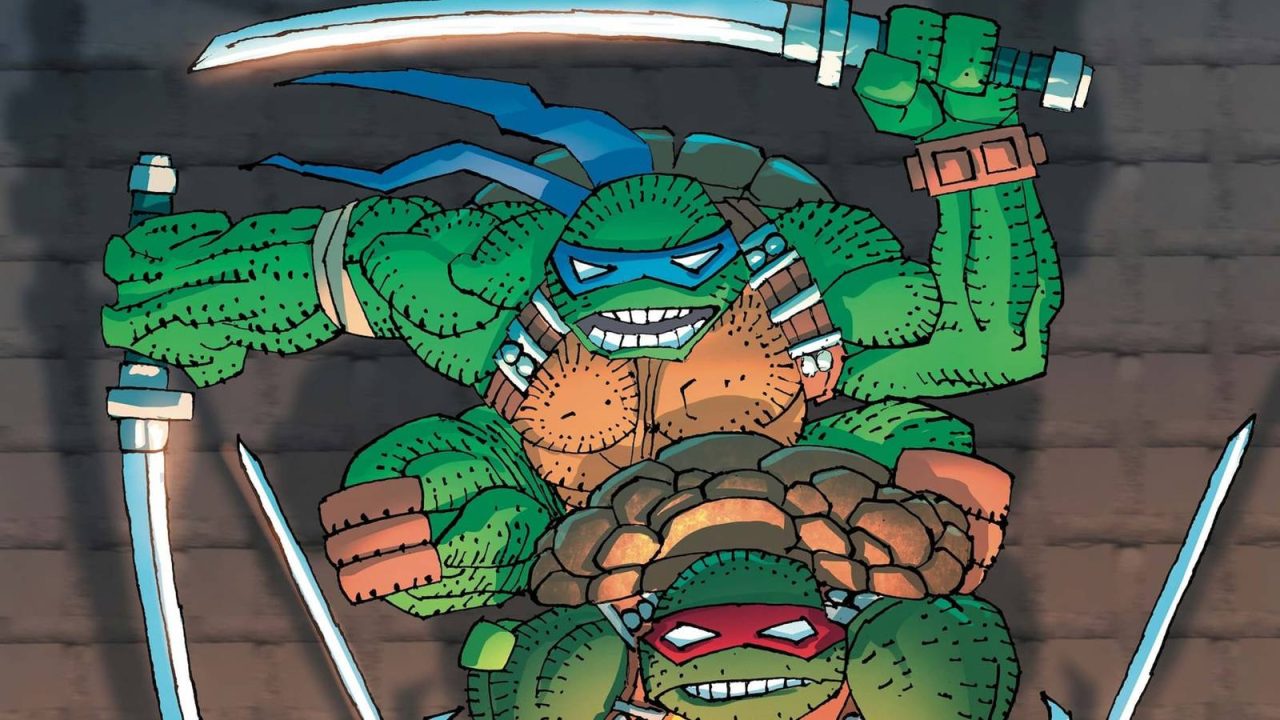
Few pop culture franchises can claim the kind of staying power that the Teenage Mutant Ninja Turtles have demonstrated over more than four decades. What began as a black-and-white indie comic book in 1984 has grown into one of the most recognized entertainment properties on the planet — spanning comics, cartoons, blockbuster films, video games, and merchandise that has generated billions of dollars worldwide.
Now, more than 42 years after their debut, the Turtles have reached a milestone that speaks to just how deeply embedded they are in the cultural fabric of modern storytelling. Their origins, it turns out, are more intertwined with the broader history of American comics than many fans ever realized.
The story of how Leonardo, Donatello, Raphael, and Michelangelo came to exist is one worth revisiting — because it connects the sewer-dwelling heroes to some of the most celebrated corners of comic book history.
Where the Teenage Mutant Ninja Turtles Actually Came From
The Teenage Mutant Ninja Turtles were created by Kevin Eastman and Peter Laird, and their first appearance came in 1984 through Mirage Studios. What many casual fans may not know is that the concept was heavily inspired by the darker, grittier comic book work being produced at the time — most notably Frank Miller’s celebrated run on Daredevil.
The connection is more than just tonal. Miller’s Daredevil introduced the character of Stick, a blind martial arts mentor, and featured the villainous ninja organization known as The Hand. Eastman and Laird directly riffed on those elements when building the TMNT universe — Splinter as the wise rat sensei echoes Stick, and the Foot Clan is an unmistakable nod to The Hand.
Even the name “Teenage Mutant Ninja Turtles” was constructed almost as a loving parody of the superhero genre conventions of the era. Each word in the title lampoons a different trend: “teenage” heroes, “mutant” characters popularized by the X-Men, “ninja” fighters riding the martial arts craze, and “turtles” as the absurdist punchline that made the whole thing click.
From Underground Comic to Global Pop Culture Staple
What Eastman and Laird created as a small-press passion project became something neither of them could have predicted. The original Mirage Comics run was dark, violent, and aimed squarely at adult comic readers. But when the property transitioned into an animated television series in 1987, everything changed.
The cartoon softened the edges, gave each turtle a distinct personality, and introduced the pizza-obsessed, catchphrase-delivering heroes that generations of children grew up loving. From there, the franchise exploded across virtually every entertainment medium available.
Over the following decades, the Turtles appeared in theatrical films, additional animated series, live-action television, video games, and an almost endless stream of licensed merchandise. The 2023 animated film Teenage Mutant Ninja Turtles: Mutant Mayhem introduced the franchise to a new generation while earning strong critical praise — proof that the property still has cultural momentum more than four decades in.
The Milestone That Marks 42 Years of the Turtles
Reaching the 42-year mark is, by any measure, a remarkable achievement for a franchise that started as a self-published black-and-white comic with an initial print run of just a few thousand copies. Very few entertainment properties — superhero or otherwise — manage to remain genuinely relevant across multiple generations of fans.
The key facts that define the TMNT legacy are worth laying out clearly:
| Milestone | Detail |
|---|---|
| Original debut | 1984, Mirage Studios comic by Kevin Eastman and Peter Laird |
| Primary comic inspiration | Frank Miller’s Daredevil run, including Stick and The Hand |
| Animated series launch | 1987, which transformed the franchise into a mainstream phenomenon |
| Media formats | Comics, films, TV series, video games, merchandise |
| Most recent major film | Teenage Mutant Ninja Turtles: Mutant Mayhem (2023) |
| Years in pop culture | 42-plus years and counting |
The franchise has survived multiple reboots, ownership changes, and shifting pop culture tastes — something very few properties from the 1980s independent comics scene can claim.
Why the Frank Miller Connection Still Matters Today
The link between TMNT and Frank Miller’s Daredevil work is more than a fun piece of trivia. It illustrates something important about how creative work builds on itself — how even the most beloved and original-feeling properties are often in direct conversation with what came before them.
Eastman and Laird were not hiding their influences. The parallels between Splinter and Stick, between the Foot Clan and the Hand, were intentional homages from two young creators who loved comics and were playing with the genre’s conventions. That playfulness — that willingness to be both reverent and irreverent at the same time — is a big part of why the Turtles felt fresh when they arrived and why they have endured.
Fans discovering the franchise today through Mutant Mayhem or the ongoing comics are inheriting a creative tradition that stretches back through 42 years of storytelling, all the way to a photocopied black-and-white comic that cost a couple of dollars and changed popular culture forever.
What Comes Next for the Franchise
The Turtles show no sign of retreating from the cultural spotlight. The success of Mutant Mayhem has renewed industry interest in the property, and the franchise continues to generate new comics, merchandise, and media projects aimed at both longtime fans and younger audiences discovering the characters for the first time.
Whether through new animated projects, sequel films, or continued comic book publishing, the TMNT universe remains an active and evolving creative space. The milestone of 42 years is not a finish line — it reads more like a checkpoint for a franchise that has consistently found ways to stay relevant without abandoning what made it special in the first place.
Frequently Asked Questions
Who created the Teenage Mutant Ninja Turtles?
The TMNT were created by Kevin Eastman and Peter Laird, debuting through Mirage Studios in 1984.
What comic book work inspired the Teenage Mutant Ninja Turtles?
Frank Miller’s run on Daredevil was a major inspiration, with the Foot Clan mirroring The Hand and Splinter drawing parallels to the character Stick.
When did the TMNT animated series first air?
The original animated television series launched in 1987, which significantly expanded the franchise’s mainstream audience.
What is the most recent major TMNT film?
Teenage Mutant Ninja Turtles: Mutant Mayhem was released in 2023 and received strong critical reception.
How long have the Teenage Mutant Ninja Turtles been a pop culture franchise?
The franchise has been active for more than 42 years, spanning comics, film, television, video games, and merchandise.
Will there be more TMNT projects in the future?
The franchise remains active following the success of Mutant Mayhem, though specific upcoming projects have not been confirmed in the available source material.


Leave a Reply