
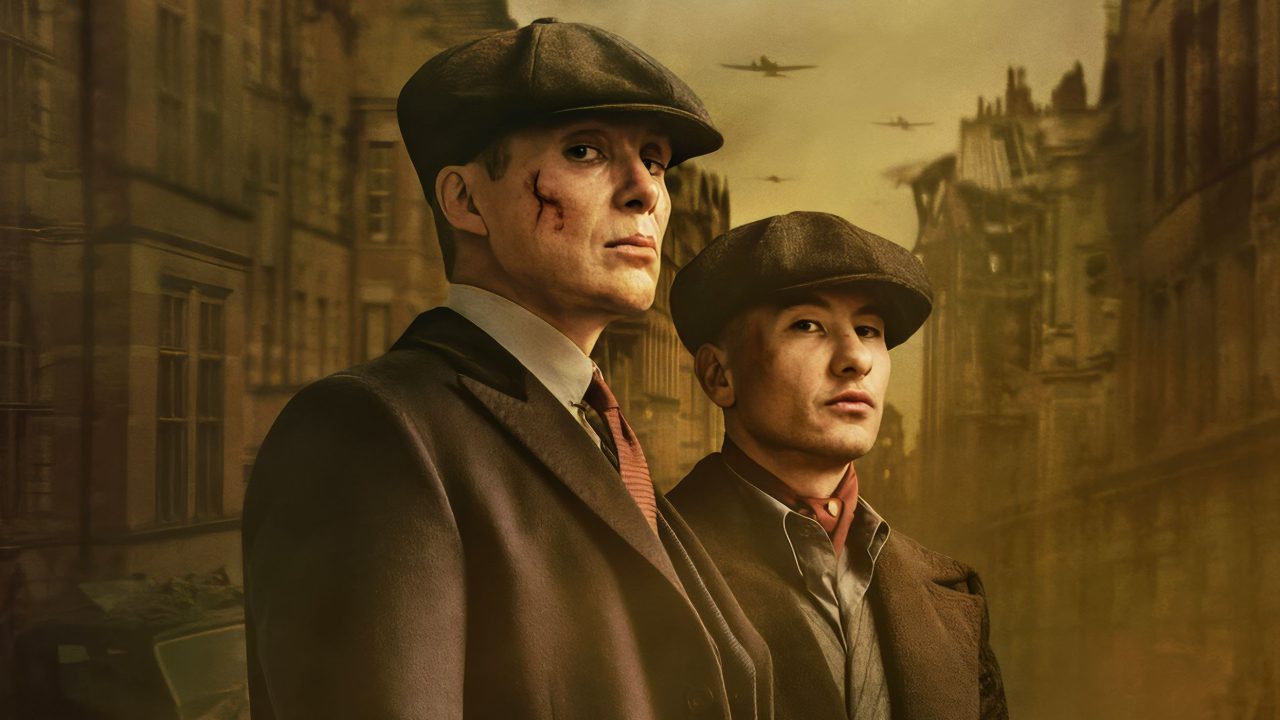
The Peaky Blinders movie has been one of the most anticipated projects in British television history — and now that it’s finally real, fans want to know everything about how it came together, particularly the scenes that hit hardest.
A new interview published by Collider on March 24, 2026, features the director of the Peaky Blinders film breaking down what went into crafting its most brutal moment and how the creative team approached the movie’s final shot. The conversation touches on Cillian Murphy’s return as Tommy Shelby and the presence of Barry Keoghan in the cast.
With the Shelby saga moving from the small screen to cinemas, the filmmaking choices behind this transition matter enormously to a fanbase that has followed the story for over a decade. Here’s what we know about the film’s most talked-about creative decisions.
The Peaky Blinders Movie: What We Know About the Film
The Peaky Blinders movie represents the culmination of a story that began on BBC in 2013. Cillian Murphy, who played Tommy Shelby across six seasons of the original series, returns for the film adaptation — a project that creator Steven Knight has been developing for years.
Barry Keoghan, one of the most exciting actors working today, joins the cast in a role that has generated significant buzz. Keoghan’s presence signals that the film is bringing serious dramatic firepower alongside Murphy’s iconic performance.
The Collider interview focuses specifically on the director’s choices around two key creative moments: a brutal scene that is already being discussed as one of the most striking sequences in the franchise’s history, and the final shot of the film — a decision that carries enormous weight given that this may serve as the definitive conclusion to Tommy Shelby’s story.
Breaking Down That Brutal Scene
According to the Collider report, the director spoke in detail about how the brutal scene was constructed and what it was meant to achieve within the context of the story. Scenes of this kind in the Peaky Blinders universe have always served a narrative purpose — violence in the Shelby world is rarely gratuitous; it tends to mark turning points, consequences, or revelations of character.
The interview specifically highlights that the director gave an exclusive breakdown of both the scene’s execution and its intended emotional impact, suggesting the moment is significant enough to the overall film that its construction required careful, deliberate thought.
The involvement of Barry Keoghan in the film makes any brutal scene particularly compelling. Keoghan has built his career on performances that sit in deeply uncomfortable emotional territory — from The Killing of a Sacred Deer to Saltburn — and his presence in a franchise known for unflinching storytelling is a natural fit.
How the Director Tackled the Final Shot
Endings are everything in long-running stories, and the final shot of the Peaky Blinders movie carries the weight of an entire franchise behind it. The Collider interview reveals that the director spoke specifically about how he approached this moment — what it was meant to mean, and how it was physically and emotionally constructed.
Final shots in prestige drama tend to become cultural touchstones. Think of the closing frames of The Sopranos or the last images of Breaking Bad — they are debated and analyzed for years. The director of the Peaky Blinders movie was clearly aware of that responsibility, and the Collider piece suggests he addressed it directly in the exclusive conversation.
For Tommy Shelby’s story specifically, the final image carries particular emotional weight. Murphy has said in various interviews over the years that he is deeply invested in this character, and how that story closes will define the legacy of the entire project.
What This Film Means for the Franchise
The shift from television series to feature film is not a simple one. Television allows for sprawling, episodic storytelling — characters breathe, subplots develop over months, and audiences form long attachments. A film has roughly two hours to deliver something that feels complete and worthy of the story that came before it.
The fact that the director is giving detailed, exclusive breakdowns of specific scenes suggests confidence in the final product. Filmmakers tend to go deep on craft when they believe the work can withstand scrutiny.
| Element | Details Confirmed |
|---|---|
| Format | Feature film (theatrical) |
| Lead Actor | Cillian Murphy (Tommy Shelby) |
| Notable Cast Addition | Barry Keoghan |
| Source Material | Based on the BBC Peaky Blinders series |
| Interview Published | March 24, 2026 (Collider) |
| Key Topics Discussed | Brutal scene breakdown, final shot meaning |
What Fans Should Watch For
If the director’s breakdown is any indication, the Peaky Blinders movie is not playing it safe. The willingness to stage and defend a genuinely brutal sequence — and to be transparent about the thinking behind it — suggests a film that trusts its audience to handle difficult material.
The final shot, in particular, is worth paying close attention to when the film releases. Based on the Collider interview, it was clearly a deliberate, considered creative choice rather than a conventional closing image. Whatever it shows, it was designed to mean something specific.
For fans who have followed Tommy Shelby from the streets of Small Heath to wherever this film takes him, that final frame will likely be the image they carry with them long after the credits roll.
Frequently Asked Questions
Who stars in the Peaky Blinders movie?
Cillian Murphy returns as Tommy Shelby, with Barry Keoghan also confirmed as part of the cast.
What did the director discuss in the Collider interview?
The director broke down the film’s most brutal scene and explained how he approached and constructed the movie’s final shot.
Is the Peaky Blinders movie a continuation of the TV series?
Yes, the film is based on the BBC series and continues the story established across six seasons of the original show.
When was the director’s interview published?
The exclusive interview was published by Collider on March 24, 2026.
What makes the final shot significant?
According to the Collider report, the director addressed the meaning and construction of the final shot specifically, suggesting it was a carefully considered creative decision central to the film’s conclusion.

Leave a Reply