
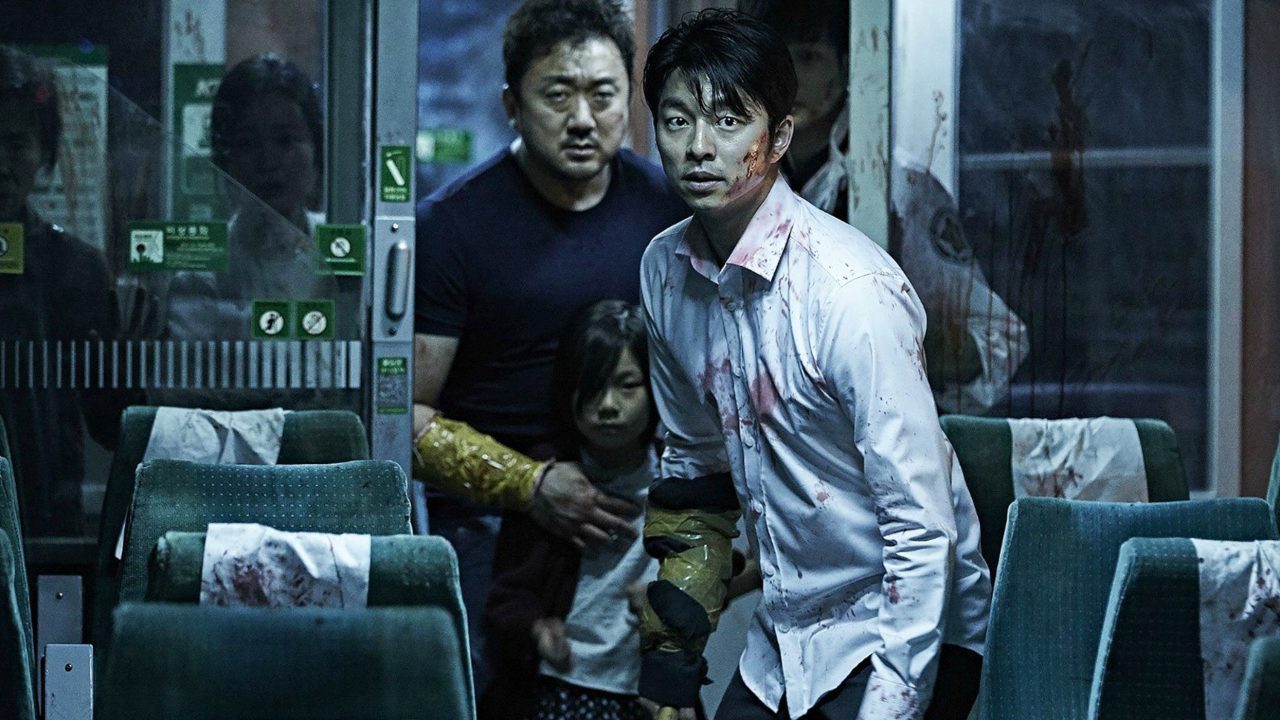
One of the most celebrated horror films of the past decade is about to disappear from Netflix, and viewers have a shrinking window to watch it before it’s gone for good. Train to Busan, the South Korean zombie thriller that became a global sensation, is leaving the platform on April 30 — giving fans just days to catch or revisit a film that genuinely changed how Western audiences think about Korean cinema.
If you’ve been putting it off, now is the time. This is not a film that loses anything on a second or third watch, and for anyone who hasn’t seen it yet, its departure from Netflix is as good a reason as any to finally press play.
The film sits at a fascinating crossroads in Korean cultural history — released during a period when filmmakers like Bong Joon-ho and Park Chan-wook were producing some of their most acclaimed and disturbing psychological work. Train to Busan belongs to that same era of bold, uncompromising Korean filmmaking, even as it wrapped its ambitions inside a pulse-pounding genre package.
Why Train to Busan Still Matters in 2026
Released in 2016, Train to Busan is now a decade old — and it doesn’t feel it. The film follows a group of passengers trapped on a high-speed train as a zombie outbreak tears through South Korea. What sounds like a straightforward premise is executed with remarkable emotional intelligence, turning what could have been a simple creature feature into a meditation on class, sacrifice, and what people owe each other in a crisis.
Director Yeon Sang-ho brought a graphic novelist’s eye to the material, having previously worked in animation. The result was a film with a visual language all its own — claustrophobic, kinetic, and genuinely devastating in its final act. It wasn’t just a hit in South Korea. It became one of the highest-grossing Korean films of its time internationally and earned widespread critical acclaim, opening doors for Korean genre cinema at a moment when global audiences were just beginning to pay serious attention.
The timing of its Netflix departure is particularly notable. Korean culture is currently experiencing one of its biggest global moments, driven in part by the return of BTS, who are reuniting after a years-long sabbatical. But the Korean wave isn’t just K-pop and romantic dramas. Train to Busan is a reminder that Korean storytelling has always carried real darkness and depth alongside its more commercially polished exports.
What Makes This Film Worth Your Time Before April 30
For viewers who associate Korean content primarily with glossy streaming dramas or feel-good pop culture, Train to Busan can be a genuine shock — in the best possible way. It operates on a different register entirely. The horror is visceral and unrelenting, but the film earns its emotional gut-punches through careful character work rather than cheap manipulation.
- Genre craft: The zombie sequences are genuinely terrifying, using the confined space of a moving train to create sustained tension that few horror films manage to maintain.
- Emotional core: At its heart, it’s a story about a father and daughter — and the film never lets you forget that, even as the chaos escalates around them.
- Cultural context: The film reflects real anxieties about Korean society — corporate greed, social inequality, the gap between those who survive and those who don’t — without ever becoming preachy.
- Legacy: It helped pave the way for Korean genre films and series to find massive global audiences, a wave that eventually included the worldwide phenomenon of Squid Game.
Train to Busan in the Context of Korean Cinema’s Global Rise
It’s worth stepping back to appreciate just how significant this film’s release moment was. In the mid-2010s, Korean cinema was already respected among film critics and festival audiences, largely through the work of directors like Bong Joon-ho and Park Chan-wook. But mainstream Western audiences hadn’t fully caught up yet.
Train to Busan arrived in 2016 and found a genuinely mass audience — not just arthouse viewers, but horror fans, action fans, and general moviegoers who might never have sought out a subtitled Korean film on their own. It was a bridging film in the truest sense, accessible enough to draw in newcomers while sophisticated enough to satisfy serious cinephiles.
| Film | Director | Release Year | Significance |
|---|---|---|---|
| Train to Busan | Yeon Sang-ho | 2016 | Global zombie thriller that expanded Korean cinema’s international reach |
| Oldboy | Park Chan-wook | 2003 | Landmark psychological thriller; Cannes Grand Prix winner |
| Memories of Murder | Bong Joon-ho | 2003 | Crime masterpiece that helped establish Korean cinema’s global reputation |
Note: Film details for Oldboy and Memories of Murder are drawn from general verified knowledge, not the source article.
What Happens After April 30
Once Train to Busan leaves Netflix on April 30, its availability on other platforms has not been confirmed by Streaming rights move constantly, and there’s no guarantee it will land somewhere else quickly or easily accessible. The safest assumption is that after this month, watching it will require more effort — whether that means renting it digitally, finding a physical copy, or waiting to see where it resurfaces.
For anyone who has been meaning to watch it, or who wants to revisit it before it disappears, the deadline is real. April 30 is the cutoff.
Frequently Asked Questions
When is Train to Busan leaving Netflix?
Train to Busan is leaving Netflix on April 30, according to the source reporting.
Who directed Train to Busan?
Train to Busan was directed by Yeon Sang-ho, a South Korean filmmaker who previously worked in animation.
When was Train to Busan originally released?
The film was released in 2016, making it approximately a decade old at the time of its Netflix departure.
Will Train to Busan be available on other streaming platforms after leaving Netflix?
This has not been confirmed in Viewers should check individual platforms after April 30 for availability.
What is Train to Busan about?
It is a South Korean zombie thriller following passengers trapped on a high-speed train during a nationwide outbreak, widely praised for its emotional depth and genre craft.
How does Train to Busan connect to the broader wave of Korean culture?
The film was released during a defining period for Korean cinema, alongside the acclaimed work of directors like Bong Joon-ho and Park Chan-wook, and helped introduce Korean genre films to a global mainstream audience.




Leave a Reply