
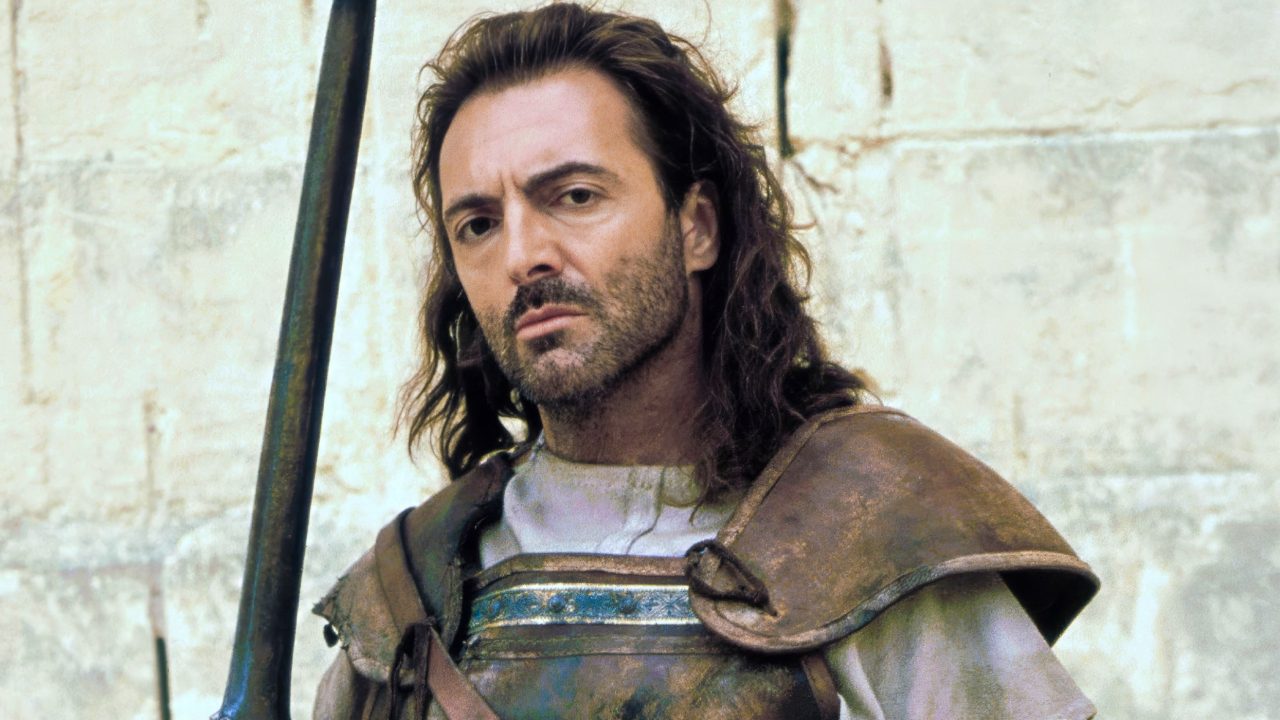
Some of the best fantasy storytelling ever committed to screen didn’t need eight seasons or an endless episode count to make its mark. A handful of two-part miniseries have managed to do what sprawling franchises often fail at — tell a complete, satisfying fantasy story with no filler, no padding, and no wasted moments.
The format itself is underrated. Two parts forces discipline. Writers have to make every scene count, every character arc land, and every piece of world-building earn its place. When it works, the result feels almost impossibly tight — the kind of thing you finish and immediately want to watch again.
The topic, originally highlighted by Collider, points to a specific category of fantasy miniseries that achieved something rare: genuine perfection in the two-part format. These aren’t shows that were “pretty good for what they were.” These are productions that fans and critics alike consider flawless executions of the genre.
Why the Two-Part Fantasy Miniseries Format Hits Different
There’s a reason so many beloved fantasy adaptations collapse under their own weight. When a story runs too long, the mythology gets muddled, side characters eat screen time they haven’t earned, and the emotional core gets buried under spectacle. The two-part structure cuts all of that away.
Think of it as the difference between a novel and a short story. Both can be brilliant. But a short story demands a level of precision that longer forms don’t require. Every sentence has to work. Every image has to carry meaning. Two-part fantasy miniseries operate under the same pressure — and the best of them thrive because of it, not in spite of it.
The genre also benefits enormously from a defined endpoint. Fantasy worlds are easy to get lost in, and without a clear finish line, creators often wander. A two-part structure forces a beginning, middle, and end — which sounds basic, but is surprisingly rare in modern prestige television.
What Makes a Fantasy Miniseries Truly Score 10 Out of 10
Not every short fantasy production earns the “no notes” designation. The ones that do tend to share a few qualities that separate them from the merely competent:
- Complete world-building without overwhelming exposition — The best two-parters drop you into a fantasy world and trust you to keep up, revealing lore through action and character rather than lengthy explanation.
- Character arcs that actually resolve — In longer series, characters often plateau or regress. Two-part miniseries don’t have that luxury. The best ones deliver genuine transformation.
- Visual ambition that matches the storytelling — Fantasy lives and dies on its imagery. The standout two-parters commit to a distinct visual identity from the first frame.
- Emotional stakes that feel real — Genre trappings only work when the human core is solid. The best short-form fantasy makes you care about the people before it asks you to care about the magic.
- A satisfying ending — This sounds obvious. It isn’t. Endings are hard, and fantasy endings are harder. The productions worth celebrating are the ones that actually stick the landing.
The Case for Seeking Out Shorter Fantasy Television
There’s a broader argument to be made here about how audiences consume fantasy content. The genre has been dominated for years by the prestige long-haul series — productions that demand dozens of hours of commitment before they pay off, if they pay off at all.
Two-part miniseries offer something different: a complete fantasy experience you can finish in a single weekend. For viewers who love the genre but find themselves intimidated by multi-season commitments, these productions are genuinely valuable.
They’re also a proving ground for creative talent. Some of the most inventive fantasy filmmaking has emerged from the constraints of limited formats, where budget restrictions and tight runtimes force unconventional solutions that end up feeling fresher than anything a blockbuster budget would have produced.
What to Look for When Choosing a Fantasy Miniseries
| Quality Marker | What It Looks Like in Practice | Why It Matters |
|---|---|---|
| Strong source material | Adapted from a beloved novel or original script with clear vision | Gives the story a structural backbone from the start |
| Defined runtime | Two parts with a clear endpoint, not an open-ended pilot | Ensures the story was designed to conclude, not to continue indefinitely |
| Practical world-building | Fantasy rules established early and followed consistently | Prevents the logic gaps that undermine genre storytelling |
| Critical consensus | High marks from both genre fans and general audiences | Indicates the production works beyond its niche |
| Emotional resolution | Character journeys that reach meaningful conclusions | The difference between a story and an experience |
Why This Corner of Fantasy Television Deserves More Attention
The fantasy genre gets a lot of coverage when it comes to the massive productions — the ones with nine-figure budgets, years of production, and cultural moments built around their premieres. The two-part miniseries rarely gets that kind of noise, even when it absolutely earns it.
Part of that is marketing. A two-part production doesn’t have the same runway for hype-building that a multi-season series does. There’s no time for fan theories to develop, no weeks of episodic discourse to keep the conversation alive. The whole thing arrives, makes its impact, and moves on.
But that compressed footprint also means the best two-part fantasy miniseries tend to be discovered rather than marketed into existence. Word of mouth carries them. Viewers who stumble onto them become genuine advocates, recommending them with the kind of enthusiasm that’s usually reserved for hidden gems — even when the quality is objectively at the top of the genre.
If you haven’t explored this format yet, the argument is simple: the time investment is low, the storytelling discipline is high, and the best examples deliver a complete fantasy experience that longer productions rarely match.
Frequently Asked Questions
What is a two-part fantasy miniseries?
A two-part fantasy miniseries is a limited television or streaming production that tells a complete fantasy story across exactly two episodes or installments, with a defined beginning and end rather than an ongoing season structure.
Why are two-part miniseries considered good formats for fantasy storytelling?
The limited runtime forces creative discipline — writers must resolve character arcs, establish world-building, and deliver a satisfying ending without filler, which often produces tighter and more emotionally resonant results than longer formats.
Are two-part fantasy miniseries usually adaptations or original stories?
Both formats exist in the genre. Some are adapted from novels or shorter fiction, where
Where can I find highly rated two-part fantasy miniseries to watch?
Streaming platforms, broadcast television archives, and curated recommendation lists from entertainment outlets like Collider are reliable starting points for discovering well-regarded productions in this format.
What separates a truly great two-part fantasy miniseries from an average one?
The standout productions tend to combine strong visual identity, genuine character transformation, consistent internal logic, and — most critically — an ending that actually delivers on the story’s promises.
Is the two-part fantasy miniseries format growing in popularity?
The format has attracted renewed interest as audiences look for complete, bingeable fantasy experiences that don’t require multi-season commitments, though specific viewership data for this category has not been confirmed in available reporting.

Leave a Reply