
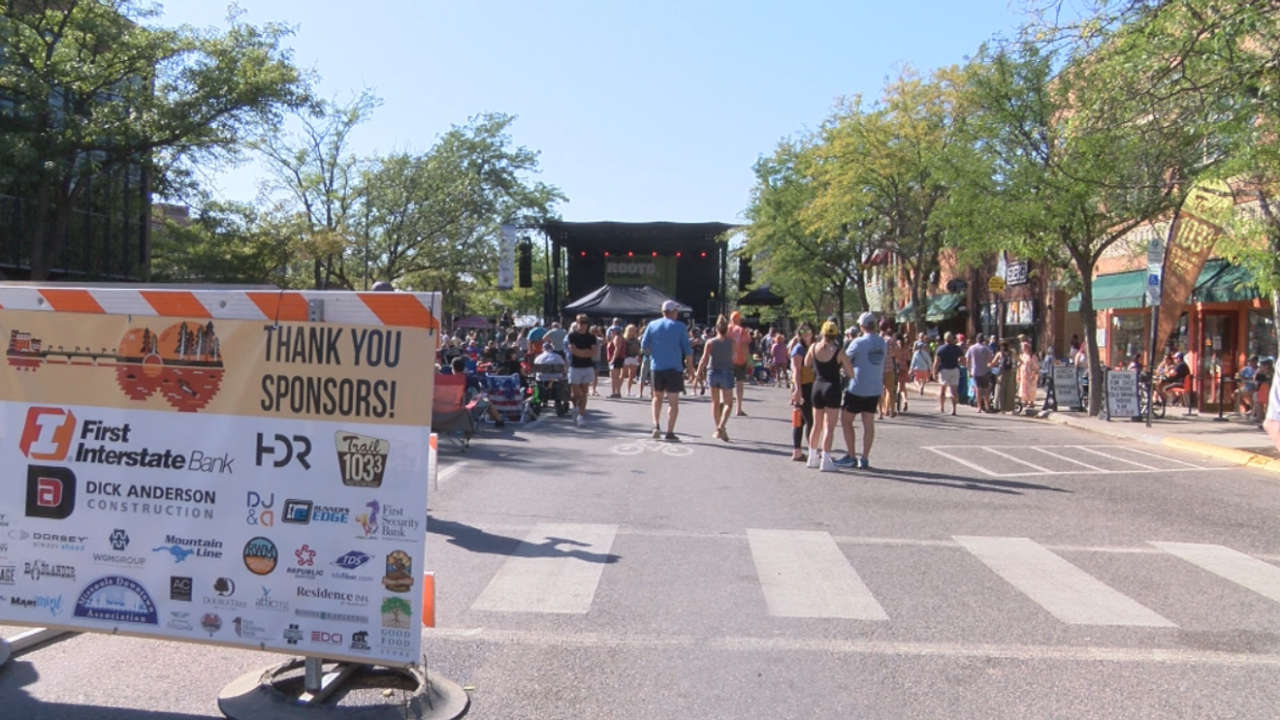
Across the United States, a growing number of states are directing public funding toward tourism grants — and the ripple effects are showing up in local festivals, heritage sites, and community travel experiences from coast to coast. New York has now joined Colorado, Florida, Washington, Illinois, and several other states in channeling these grants toward events and festivals designed to strengthen regional identity and drive visitor spending.
The trend reflects a broader strategic shift in how American states approach domestic travel. Rather than waiting for national tourism to recover on its own, state governments are actively investing in the cultural and experiential infrastructure that draws visitors — and keeps local dollars circulating close to home.
It’s a move that matters not just to tourism boards and event organizers, but to anyone who lives near, works in, or plans to visit one of these communities.
Why States Are Pouring Money Into Tourism Grants Right Now
The timing is not accidental. Domestic travel has become one of the most reliable economic engines for states looking to recover and grow following years of disruption. Events and festivals, in particular, generate concentrated bursts of economic activity — hotel stays, restaurant visits, retail spending, and transportation use — that benefit entire communities, not just the venues hosting them.
Heritage travel, which draws visitors to historical sites, cultural landmarks, and tradition-rooted experiences, has also seen renewed interest among American travelers. States that invest in preserving and promoting these assets are finding that they attract a loyal, high-engagement visitor base that tends to stay longer and spend more than average tourists.
By funding grants specifically aimed at events, festivals, and heritage programming, states are essentially seeding the conditions for sustained local travel growth. The investment is targeted, and the expected return is measurable in visitor numbers and economic output.
Which States Are Part of This Tourism Grant Surge
The movement spans geography and political lines. States confirmed to be part of this tourism grants push include:
- New York — the latest addition to the group, joining an already active coalition of grant-issuing states
- Colorado — known for outdoor festivals and heritage sites tied to its mining and Indigenous history
- Florida — leveraging grants to bolster cultural events alongside its established tourism infrastructure
- Washington — using funding to support Pacific Northwest heritage and community-driven festivals
- Illinois — directing grants toward events in both Chicago and its often-overlooked rural regions
Several additional states are also participating, though
| State | Grant Focus Area | Primary Tourism Benefit |
|---|---|---|
| New York | Events and festivals | Heritage and local travel growth |
| Colorado | Events and heritage | Visitor demand expansion |
| Florida | Cultural events | Strengthening existing tourism base |
| Washington | Heritage and festivals | Community and regional travel |
| Illinois | Events statewide | Urban and rural economic impact |
What This Means for Local Communities and Visitors
For residents of these states, the practical impact is straightforward: more funded events, better-resourced festivals, and renewed investment in heritage sites that might otherwise struggle to maintain programming budgets.
For travelers, it means more to see and do — particularly in communities that have historically been overlooked by mainstream tourism marketing. Heritage sites, regional festivals, and locally organized events often offer experiences that feel more authentic and less commercialized than major tourist attractions. Grant funding helps ensure those experiences actually happen and are well-promoted.
Supporters of these programs argue that the economic benefits extend well beyond the tourism sector itself. When visitors attend a funded festival or heritage event, they spend money on accommodation, food, transport, and local retail — sectors that employ people who may have no direct connection to tourism at all. Officials have noted that this kind of broad economic activation is precisely why states are treating tourism grants as economic development tools, not just cultural initiatives.
For small event organizers and local cultural institutions, grant access can be transformational. Many festivals and heritage programs operate on thin margins, and public funding can mean the difference between an event that happens and one that gets quietly canceled.
The Larger Picture: Reshaping Travel Demand Across the Americas
What’s happening across these states is part of a wider pattern in the Americas, where local and regional travel is being deliberately cultivated as an alternative to international tourism dependency. States that build strong domestic visitor economies are less vulnerable to global disruptions — whether economic downturns, public health events, or geopolitical shifts that affect international arrivals.
Heritage travel, in particular, positions communities as destinations with stories worth traveling to hear. When states fund the preservation and promotion of that heritage, they’re investing in a form of tourism that tends to be resilient, repeatable, and deeply tied to local identity.
The grant programs currently underway across New York, Colorado, Florida, Washington, Illinois, and their peers represent a deliberate effort to accelerate that shift — and based on the momentum building across multiple states simultaneously, the approach appears to be gaining traction at a policy level.
What to Watch for Next
As more states observe the results of these grant programs, additional states are expected to develop similar funding mechanisms. The pattern suggests that tourism grants focused on events, festivals, and heritage programming are moving from an experimental approach to a mainstream economic strategy.
Travelers interested in benefiting from this wave of investment should watch for newly funded events and expanded heritage programming in their regions — particularly in states where grant announcements are still rolling out. Local tourism boards and state cultural agencies are typically the first to publicize funded events and newly supported festivals.
For communities hosting these events, the coming months are likely to bring increased visibility, stronger visitor numbers, and a growing recognition that local travel is not a consolation prize for those who can’t travel far — it’s a destination category worth investing in seriously.
Frequently Asked Questions
Which states are currently receiving tourism grants for events and festivals?
New York, Colorado, Florida, Washington, and Illinois are among the confirmed states participating in this tourism grants push, alongside several additional states not individually named in current reporting.
What kinds of events and programs do these tourism grants support?
The grants are focused on boosting events and festivals as well as heritage and local travel experiences, with the goal of increasing visitor demand and supporting local economic growth.
Why is New York joining this initiative now?
New York is the latest state to join this broader movement, which reflects a growing recognition among state governments that targeted tourism funding drives measurable economic returns. Specific timing details have not been confirmed beyond this general trend.
How do these grants affect everyday travelers?
Travelers can expect more funded cultural events, better-resourced festivals, and expanded heritage programming in participating states, making regional and local travel more compelling.
Are these grant programs expected to expand to other states?
Based on the momentum described, additional states are expected to develop similar programs, though specific expansion timelines have not been confirmed in the available source material.
Where can I find information about funded events in my area?
State tourism boards and local cultural agencies are typically the first to publicize events supported by these grants — checking those sources directly is the most reliable approach.



Leave a Reply