
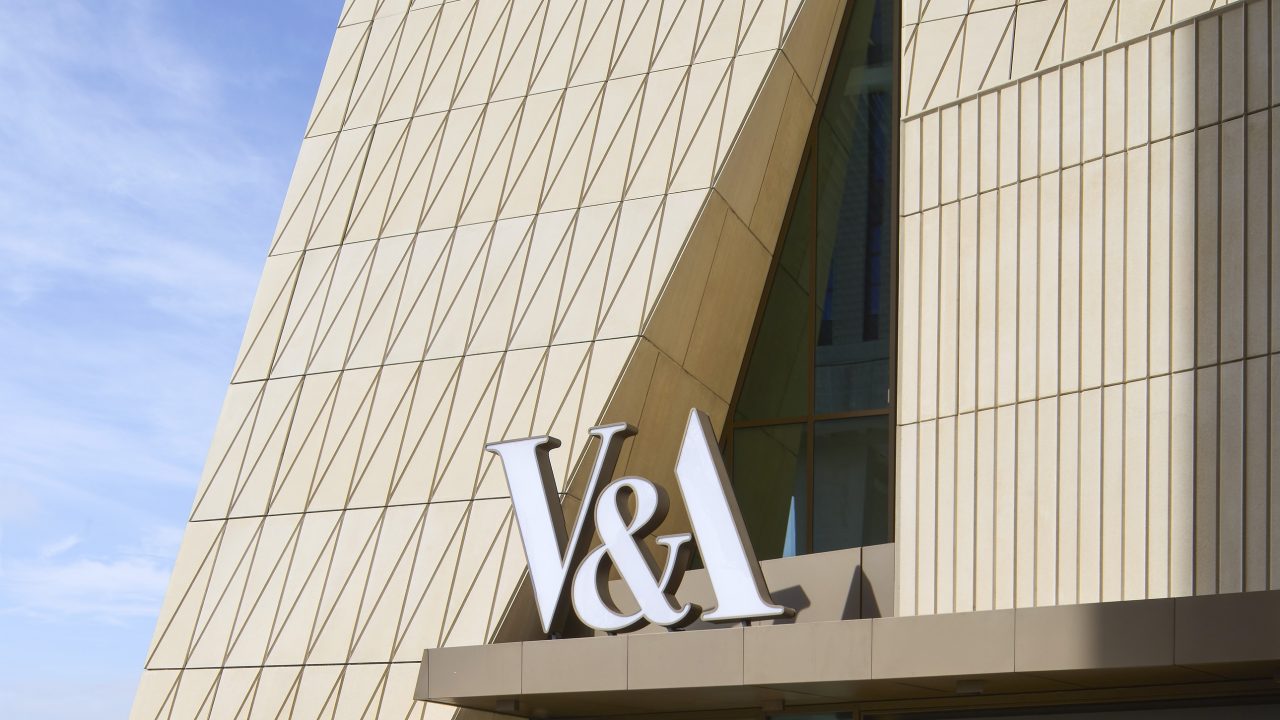
Here is the take nobody in the art world wants to say out loud: London does not need another museum. It has over 200 of them. The Victoria and Albert Museum in Kensington is already one of the greatest design collections on Earth. So when the V&A announced it was building a second London outpost in the Olympic Park, plenty of observers rolled their eyes.
But V&A East is not a copy. It is a direct challenge to everything a traditional museum is supposed to be, and it opens on Saturday, April 18, 2026. Whether that challenge lands, or collapses under the weight of institutional ambition, is the real debate travelers should be having before they book their flights.
The Split: Democratizing Creativity vs. Gilding a Gentrified Neighborhood
The debate around V&A East is not really about art. It is about power: who gets to define culture, who benefits from landmark institutions, and whether a world-famous museum planting its flag in East London represents genuine community investment or elegant displacement.
On one side, you have cultural optimists who see V&A East as a long-overdue redistribution of London’s cultural infrastructure. For decades, the city’s prestige museums clustered in wealthy west London postcodes, South Kensington chief among them. On the other side, skeptics point out that the Olympic Park area has already been dramatically reshaped by development since 2012, and a gleaming new V&A may accelerate rather than reverse that pressure on local communities.
| Feature | V&A Kensington | V&A East Museum |
|---|---|---|
| Location | South Kensington, West London | Stratford, East London (E20 3AX) |
| Opening era | 1852 | April 18, 2026 |
| Core mission | Encyclopedic design history | Creativity, making, contemporary culture |
| Free admission | Permanent galleries free | Permanent galleries free |
| Scale of collection on display | Large curated selection | 250,000+ objects (Storehouse); curated museum |
| Community co-creation | Limited | Built with young people and East London voices |
Why V&A East Could Genuinely Change How Museums Work
The strongest argument for V&A East is not the building or the collection. It is the philosophy. According to the V&A, the museum was “created with young people and rooted in east London’s heritage,” exploring what is shaping our world through voices that lead contemporary culture. That framing is unusual for a major national institution.
Most encyclopedic museums are top-down by design. Curators decide what matters, and visitors receive the verdict. V&A East inverts that premise, at least in principle. It positions itself as a platform for creativity rather than a monument to past achievement.
Then there is the Storehouse, which opened in May 2025 and already operates as a radical experiment in museum access. Only a tiny fraction of the V&A’s collection is ever on display in Kensington at any given time. The Storehouse makes over 250,000 objects visible and explorable across 16,000 square metres and four floors. Visitors can wander without a prescribed route, discovering objects that have spent decades in storage. That is not theater. That is a structural change in how collections are shared.
For travelers, the practical case is also strong. The permanent galleries at V&A East are free. Budget roughly 90 minutes for those, plus another 90 minutes for the ticketed exhibition. That is a full half-day of world-class cultural experience at minimal cost in a part of London that is genuinely interesting beyond the institution itself.
The Case Against: Trophy Architecture in a Changing Neighborhood
Critics raise a legitimate concern that deserves honest engagement. East London neighborhoods like Stratford, Hackney Wick, and Fish Island have spent years developing organic creative communities. Artists, makers, and small collectives built something real there precisely because the area was affordable and under the radar.
Major cultural institutions do not arrive neutrally. They signal prestige, which attracts investment, which drives up rents, which pushes out the communities the institution claims to serve. The Olympic Park itself is a case study in this dynamic. It was celebrated as regeneration after 2012, and the area has undeniably transformed. Whether that transformation benefited original residents or largely replaced them is a question East London researchers and community groups have been arguing ever since.
“Only a very small part of their collection is ever on show at Kensington so they built a Storehouse where you can browse everything.”
— Visitor review of V&A East Storehouse, Instagram
There is also the question of institutional authenticity. Can a museum that spent 170 years in one of the wealthiest postcodes in Europe genuinely reinvent itself as a community-rooted space? Good intentions matter. So does institutional DNA. The V&A has made genuine efforts, including the co-creation process with young East Londoners. But critics argue that a building designed by Adjaye Associates and backed by national arts funding is never going to be a grassroots space, regardless of its stated mission.
| Museum | Location | Admission | Year Opened | Collection Size | Visitor Focus |
|---|---|---|---|---|---|
| V&A East Museum | Stratford, Olympic Park | Free (ticketed exhibitions extra) | April 18, 2026 | New curated displays | Design, creativity, community |
| V&A Kensington | South Kensington | Free (some exhibitions ticketed) | 1852 | 2.3 million+ objects | Decorative arts & design |
| V&A East Storehouse | Stratford, Olympic Park | Ticketed | May 2025 | 250,000+ objects | Behind-the-scenes browsable archive |
| British Museum | Bloomsbury, Central London | Free (ticketed exhibitions extra) | 1759 | 8 million+ objects | World history & antiquities |
| Tate Modern | Southwark, South Bank | Free (ticketed exhibitions extra) | 2000 | 70,000+ artworks | Modern & contemporary art |
A secondary argument from skeptics is simpler: the money. Building and running a major new museum in London costs enormous sums. At a time when local arts organizations, independent galleries, and community creative programs are being defunded, the question of priorities is reasonable.
What the Opening Data and V&A’s Own Track Record Actually Show
Rhetoric aside, what does the evidence suggest? The V&A East Storehouse opened in May 2025 and has already drawn significant visitor interest. Early accounts from visitors describe an experience unlike any traditional museum: open storage racks, accessible conservation labs, and the freedom to set your own agenda across four full floors.
Time Out London confirmed the April 18, 2026 opening date and noted that the museum’s permanent galleries will be free, with ticketed exhibitions alongside. That pricing structure matters. The original V&A in Kensington runs its permanent galleries free as well, but the East London location brings that access to a postcode historically underserved by national arts institutions.
Time Magazine included V&A East Storehouse in its World’s Greatest Places list for 2026, describing it as reimagining what a museum offshoot can accomplish. That kind of recognition does not resolve the community-impact debate, but it does confirm the institution is being taken seriously on an international level.
The Editorial Verdict: Go, But Go Eyes Open
The debate around V&A East is not a coin flip. The evidence tips toward a genuine institutional experiment worth experiencing, with real caveats attached.
The free permanent galleries, the genuinely radical Storehouse model, and the co-creation process with East London youth represent meaningful departures from how major museums typically operate. For travelers, the practical case is essentially unanswerable: a world-class institution, free entry, and an entirely new approach to collection access, in a part of London that rewards exploration beyond any single landmark.
The community-impact concerns are legitimate and should not be dismissed with optimistic language about regeneration. But the answer to those concerns is not to avoid V&A East. It is to visit it, engage with what it is actually doing, and then spend time and money in the surrounding neighborhood, at its independent shops, its markets, and its existing creative spaces. Institutions do not exist in isolation. Neither should travelers.
What the V&A East Debate Means for the Future of Cultural Travel
V&A East is part of a broader shift in how major cultural institutions are trying to position themselves. The old model was prestige architecture in wealthy districts, encyclopedic collections, and visitor numbers as the primary success metric. The new model, at least in aspiration, involves co-creation, community roots, and open access to collections that have been locked in storage for generations.
Whether V&A East fully delivers on that aspiration will take years to judge. The opening on April 18, 2026 is a beginning, not a verdict. For travelers arriving in London this spring and summer, it represents something rarer than a new museum: a genuine question about what museums are for, made physical and walkable and free to enter.
The most interesting thing about V&A East is not the building. It is the argument the building keeps starting, and whether the institution actually listens to the answers it gets back from its own neighborhood.



Leave a Reply