
Few genres in cinema demand as much from filmmakers — and from audiences — as the war epic. These are films that don’t just depict conflict; they try to capture something true about humanity under the most extreme pressure imaginable. The best of them stay with you long after the credits roll.
The topic of the most perfect war epics ever made is one that sparks genuine debate among film lovers, critics, and historians alike. What makes a war film “perfect” isn’t just spectacle or authenticity — it’s the combination of craft, emotional depth, historical weight, and lasting cultural impact that elevates certain films above the rest.
Since
What Makes a War Epic Different From Every Other Film
War epics occupy a unique space in cinema. They operate on a massive scale — large casts, enormous production budgets, sprawling timelines — but the most enduring ones are ultimately intimate. They’re about individual people caught inside events far larger than themselves.
The genre has produced some of the most decorated films in Academy Awards history. Films like Schindler’s List, Platoon, The Hurt Locker, and Lawrence of Arabia have all won Best Picture, a testament to how seriously the industry regards war filmmaking when it’s done right.
What separates a great war epic from a forgettable action film is moral complexity. The finest entries in the genre refuse to offer easy answers. They show the cost of war — not just in casualties, but in psychology, identity, and humanity.
The War Epics Most Consistently Ranked Among the Greatest Ever Made
Across decades of critical consensus, a core group of films appears repeatedly on lists of the best war epics. These are the titles that defined the genre, influenced generations of filmmakers, and continue to be studied and debated today.
| Film | Year | Director | Conflict Depicted | Notable Awards |
|---|---|---|---|---|
| Lawrence of Arabia | 1962 | David Lean | World War I / Arab Revolt | 7 Academy Awards including Best Picture |
| Apocalypse Now | 1979 | Francis Ford Coppola | Vietnam War | 2 Academy Awards; Palme d’Or at Cannes |
| Schindler’s List | 1993 | Steven Spielberg | World War II / Holocaust | 7 Academy Awards including Best Picture |
| Platoon | 1986 | Oliver Stone | Vietnam War | 4 Academy Awards including Best Picture |
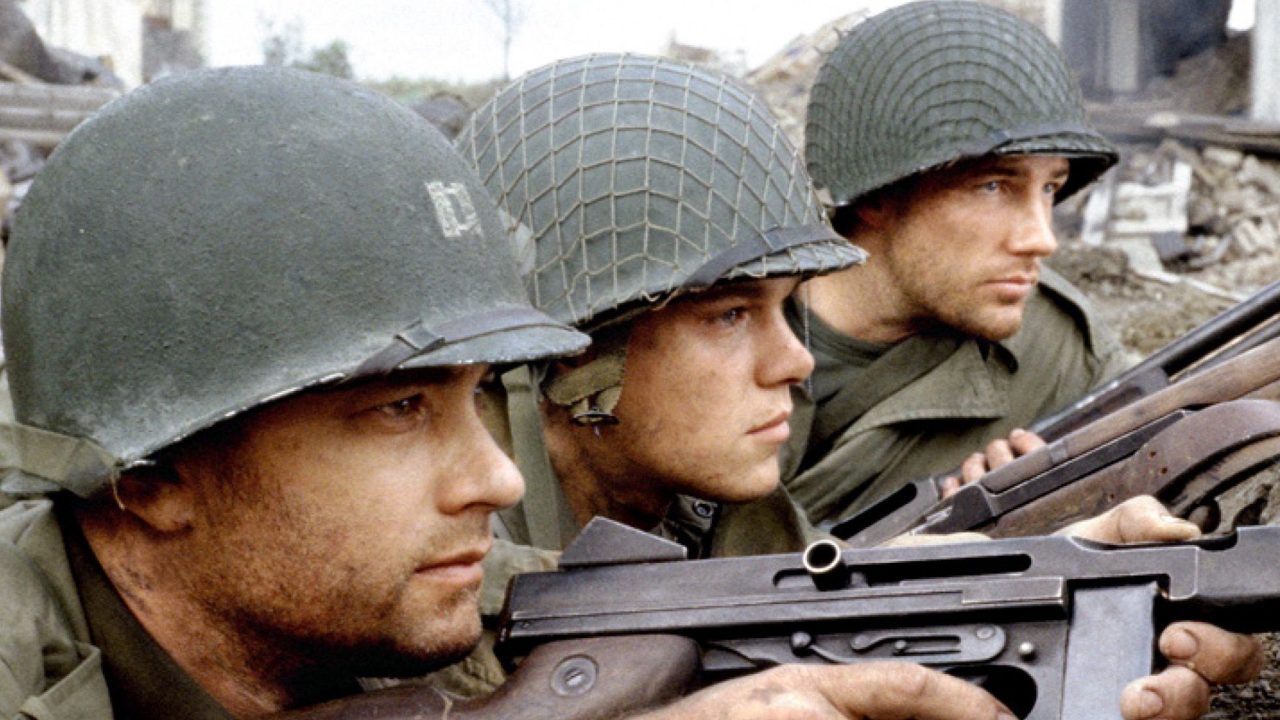
| Saving Private Ryan | 1998 | Steven Spielberg | World War II | 5 Academy Awards including Best Director |
| Full Metal Jacket | 1987 | Stanley Kubrick | Vietnam War | BAFTA nomination for Best Adapted Screenplay |
| The Thin Red Line | 1998 | Terrence Malick | World War II / Pacific | 7 Academy Award nominations |
| Das Boot | 1981 | Wolfgang Petersen | World War II / Atlantic | 6 Academy Award nominations |
| The Hurt Locker | 2008 | Kathryn Bigelow | Iraq War | 6 Academy Awards including Best Picture |
| 1917 | 2019 | Sam Mendes | World War I | 3 Academy Awards including Best Cinematography |
Why These Films Endure When So Many Others Fade
The films on this list share something beyond technical achievement. Each one was made by a director who had something specific to say — not just about war, but about the people who fight them and the societies that send them.
Lawrence of Arabia remains one of the most visually stunning films ever committed to celluloid, with David Lean using the desert as both backdrop and metaphor. Apocalypse Now turned the Vietnam War into a descent into primal darkness, borrowing the architecture of Joseph Conrad’s Heart of Darkness to frame American imperialism.
Saving Private Ryan permanently changed how combat is depicted on screen. The opening Omaha Beach sequence is still cited by veterans and filmmakers alike as the most viscerally accurate portrayal of D-Day ever filmed. 1917, shot to appear as a single continuous take by cinematographer Roger Deakins, brought a new kind of urgency to World War I storytelling.
What unites all of them is a refusal to glorify. Even films with heroic arcs — like Schindler’s List — are drenched in tragedy. The genre, at its best, is fundamentally anti-romantic about the nature of war itself.
The Films That Pushed the Genre Forward
Each decade has produced war epics that shifted the conversation. The 1960s gave us the grand sweep of Lawrence of Arabia. The late 1970s and 1980s grappled with Vietnam through films like Apocalypse Now, Platoon, and Full Metal Jacket — three radically different films about the same conflict, each reaching different conclusions about what that war meant.
The 1990s brought the Holocaust to the center of mainstream cinema through Schindler’s List, while The Thin Red Line offered a philosophical counterpoint to Saving Private Ryan‘s visceral immediacy — two World War II films released the same year, impossible to be more different in approach.
More recently, The Hurt Locker made Kathryn Bigelow the first woman to win the Academy Award for Best Director, while 1917 demonstrated that technical innovation and emotional storytelling don’t have to be in conflict.
What Comes Next for the War Epic
The genre shows no signs of exhausting itself. As long as human beings go to war, filmmakers will find new ways to make sense of it — new conflicts, new perspectives, new formal approaches.
Recent years have seen the genre expand to include stories previously left out of the mainstream conversation: films told from non-Western perspectives, stories centering women in combat zones, and productions that examine the psychological aftermath of war as rigorously as the fighting itself.
The war epic isn’t a relic. It’s one of cinema’s most vital ongoing conversations — and the films already made in the genre set an extraordinarily high bar for everything that follows.
Frequently Asked Questions
What is generally considered the greatest war epic ever made?
Critical consensus most frequently points to Lawrence of Arabia (1962) and Apocalypse Now (1979) as the two films most often cited at the very top of the genre, though opinions vary widely among critics and audiences.
Which war epic has won the most Academy Awards?
Both Lawrence of Arabia and Schindler’s List won 7 Academy Awards each, making them the most decorated war epics in Oscar history.
Who was the first woman to win Best Director for a war film?
Kathryn Bigelow won the Academy Award for Best Director for The Hurt Locker in 2010, becoming the first woman ever to win the award — and doing so with a war film set during the Iraq War.
Is 1917 really filmed in one continuous shot?
The film was edited to appear as a single continuous take, though it was not literally filmed that way. Cinematographer Roger Deakins won the Academy Award for Best Cinematography for his work on the film.
Are war epics always about real historical conflicts?
Most critically acclaimed war epics are rooted in real historical conflicts, though the genre occasionally incorporates fictional or composite scenarios to explore broader truths about warfare and human behavior.
What makes a war film qualify as an “epic”?
War epics are generally distinguished by their large scale — in budget, cast, and scope — combined with an ambitious attempt to explore the broader human, political, or historical meaning of the conflict they depict.


Leave a Reply