
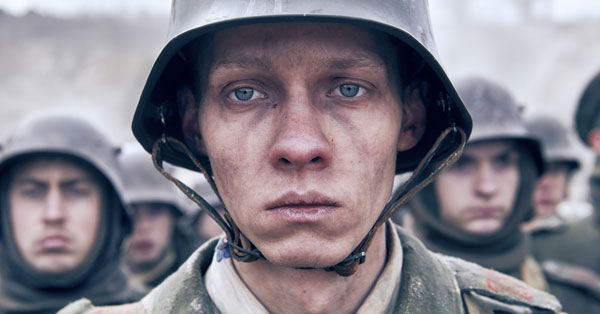
Most war movie conversations start and end in the same place — Saving Private Ryan, Apocalypse Now, Full Metal Jacket. Those are great films. But the genre runs far deeper than the titles that dominate every best-of list, and some of the most powerful war films ever made have spent decades sitting in near-total obscurity.
The topic of underseen war cinema is a genuinely rich one, because war films — more than almost any other genre — tend to reflect the cultural and political moment in which they were made. An overlooked war film isn’t just a missed entertainment opportunity. It’s a missing piece of how a society processed something enormous.
What follows draws on the broader conversation around the greatest war movies that most audiences have never seen, pulling from films with strong critical reputations that remain largely unknown to mainstream viewers. These are movies worth tracking down.
Why the Best War Movies You Haven’t Seen Matter More Than You Think
The war film canon has a visibility problem. Hollywood blockbusters with massive marketing budgets dominate the conversation, while foreign-language films, older productions, and smaller independent war pictures quietly age on streaming platforms and DVD shelves without ever finding the audience they deserve.
That matters because war cinema, at its best, doesn’t just depict combat. It interrogates the human cost of conflict in ways that journalism and history books often can’t. Films from outside the American perspective — Soviet, Japanese, French, Vietnamese — offer a radically different view of the same wars that Western audiences think they already understand.
Seeking out lesser-known war films isn’t cinephile gatekeeping. It’s one of the most direct ways to expand your understanding of how conflict actually felt to the people living through it.
The Films That Deserve Far More Attention
The following films represent some of the strongest examples of underseen war cinema — drawn from multiple eras, multiple countries, and multiple conflicts. Each has earned serious critical respect without ever breaking through to wide popular awareness.
| Film | Country of Origin | Conflict Depicted | Why It’s Overlooked |
|---|---|---|---|
| Come and See (1985) | Soviet Union | World War II / Nazi occupation | Foreign language, limited Western distribution |
| The Cranes Are Flying (1957) | Soviet Union | World War II | Cold War era limited its Western reach |
| Grave of the Fireflies (1988) | Japan | World War II / civilian experience | Animated format dismissed by adult audiences |
| The Battle of Algiers (1966) | Italy/Algeria | Algerian War of Independence | Political subject matter, foreign language |
| Paths of Glory (1957) | United States | World War I | Overshadowed by Kubrick’s later work |
| Cross of Iron (1977) | UK/West Germany | World War II / Eastern Front | Rare Western film from German perspective |
| The Deer Hunter (1978) | United States | Vietnam War | Long runtime deters casual viewers |
| Ivan’s Childhood (1962) | Soviet Union | World War II | Art-house style limits mainstream appeal |
| Gallipoli (1981) | Australia | World War I | Non-American perspective rarely exported well |
| Letters from Iwo Jima (2006) | United States | World War II / Pacific Theater | Japanese-language film by American director confused audiences |
What Makes These Films Different From the Ones Everyone Already Knows
The titles above aren’t obscure because they’re inferior. Several of them — Come and See, Paths of Glory, The Battle of Algiers — regularly appear on critics’ all-time greatest films lists. Their obscurity is almost entirely a distribution and cultural access problem, not a quality one.
Come and See, the 1985 Soviet film directed by Elem Klimov, is frequently cited by film scholars as one of the most psychologically devastating war films ever made. It follows a young Belarusian boy through the Nazi occupation and doesn’t flinch once. Many viewers who finally track it down describe it as unlike anything they’ve seen before.
Grave of the Fireflies suffers from a different kind of invisibility. Because it’s animated, Western adult audiences often assume it isn’t serious cinema. It is. Studio Ghibli’s 1988 film about two orphaned Japanese children surviving the firebombing of Kobe is considered one of the most emotionally devastating anti-war statements in the history of film.
The Battle of Algiers was so politically charged upon release that it was banned in France for years. It depicts the Algerian struggle for independence with a documentary-like realism that still feels confrontational decades later. The Pentagon reportedly screened it in 2003 as a study in insurgency tactics — which tells you something about how seriously it was taken.
The Common Thread Running Through All of Them
What connects these films isn’t style or era. It’s perspective. Almost every film on this list approaches war from a vantage point that mainstream Hollywood has historically avoided — the civilian caught in the middle, the soldier on the losing side, the child who has no framework for what’s happening around them.
That shift in perspective is uncomfortable in a way that traditional war heroics aren’t. It’s easier to watch a film about victory than one about survival. These movies ask harder questions and refuse easy answers, which is part of why they never found the massive audiences they deserved.
For viewers willing to sit with that discomfort, the payoff is significant. These are films that stay with you.
Where to Actually Watch These Films
Availability varies, but most of these titles are more accessible now than they’ve ever been. Streaming platforms including the Criterion Channel, MUBI, Max, and Amazon Prime Video carry several of them. Grave of the Fireflies is available through platforms that carry Studio Ghibli’s catalog. Come and See received a major restoration and is available through Criterion. Paths of Glory is widely available as a Kubrick title.
Physical media remains the most reliable option for the rarer titles. A quick search on a reputable used DVD or Blu-ray marketplace will turn up most of them for reasonable prices.
Frequently Asked Questions
What makes a war film “underseen” rather than just unpopular?
An underseen film typically has strong critical reception and genuine artistic merit but limited mainstream distribution or cultural visibility — often due to language barriers, limited marketing, or being overshadowed by more famous films in the same genre.
Is Come and See really as intense as people say?
It has a strong reputation among critics and cinephiles as one of the most psychologically harrowing war films ever made, depicting the Nazi occupation of Belarus through the eyes of a young boy without softening the experience.
Why is Grave of the Fireflies considered a war film if it’s animated?
Animation is a format, not a genre — and Grave of the Fireflies deals directly with the human cost of World War II, specifically the firebombing of Japanese cities and its effect on civilians, making it firmly a war film by any reasonable definition.
Did the Pentagon really screen The Battle of Algiers?
Yes — the Pentagon reportedly screened the film in 2003 as a study in counterinsurgency, a fact that underscores how seriously the film’s depiction of asymmetric conflict has been taken beyond the world of cinema.
Are any of these films suitable for younger viewers?
Most of these films deal with mature, often graphic subject matter and are intended for adult audiences. Grave of the Fireflies is animated but carries an emotionally devastating tone that may be difficult for younger or sensitive viewers.
Where is the best place to start if I’ve never watched any of these?
Most film critics and enthusiasts point to Paths of Glory as an accessible entry point — it’s in English, directed by Stanley Kubrick, and relatively short — while Come and See is often recommended for viewers ready for something more demanding.



Leave a Reply