
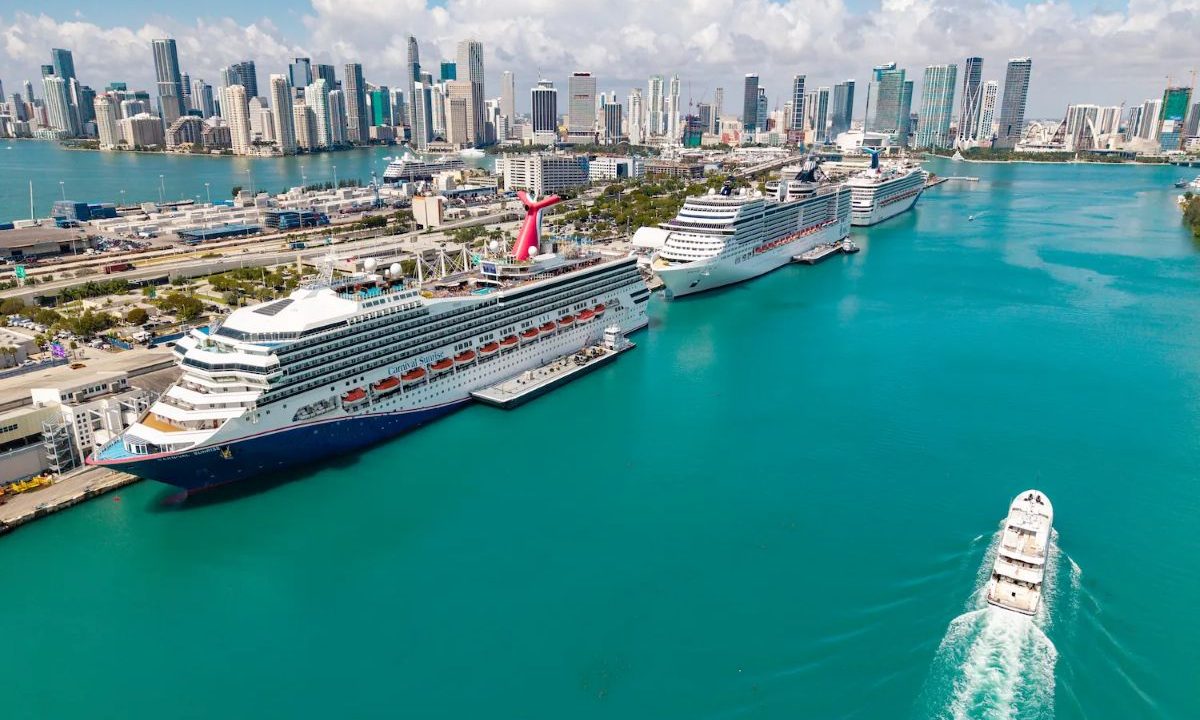
Cruise tourism contributed US$98.5 billion to the global economy — and the industry is only getting started. A major new report from the World Travel & Tourism Council reveals that cruise tourism is far more than a luxury holiday choice. It’s a significant engine of economic activity, community development, and sustainability efforts that reaches well beyond the ship’s deck.
The WTTC released its new report, titled “Cruising for Impact,” in April 2026. The findings paint a picture of an industry on the rise, with global cruise capacity forecast to grow by 19% between 2022 and 2028. That’s not a modest uptick — it’s a structural expansion of one of travel’s most complex and far-reaching sectors.
What makes this report stand out is its emphasis on the broader value of cruise tourism — not just revenue figures, but contributions to local communities, sustainability goals, and the wider travel ecosystem. The WTTC is making the case that cruise tourism deserves to be understood as a positive force in global tourism, not just a profitable one.
(function(){var wrp=document.getElementById(“paap_stat_69de54dd604795.18967496”);if(!wrp)return;var ids=[“paap_stat_69de54dd604795.18967496_c0″,”paap_stat_69de54dd604795.18967496_c1”];var dur=1800;function ease(t){return 1-Math.pow(1-t,3);}function anim(){ids.forEach(function(id){var el=document.getElementById(id);if(!el)return;var tgt=parseFloat(el.getAttribute(“data-target”))||0;var pfx=el.getAttribute(“data-prefix”)||””;var sfx=el.getAttribute(“data-suffix”)||””;var dec=parseInt(el.getAttribute(“data-decimals”))||0;var st=null;function step(ts){if(!st)st=ts;var p=Math.min((ts-st)/dur,1);var v=ease(p)*tgt;el.textContent=pfx+v.toFixed(dec)+sfx;if(p<1)requestAnimationFrame(step);}requestAnimationFrame(step);});}if("IntersectionObserver" in window){var obs=new IntersectionObserver(function(e){e.forEach(function(en){if(en.isIntersecting){anim();obs.disconnect();}});},{threshold:0.2});obs.observe(wrp);}else{anim();}})();
What the “Cruising for Impact” Report Actually Says
The WTTC’s “Cruising for Impact” report is built around a central argument: that cruise tourism generates meaningful, measurable benefits for economies and communities around the world. The US$98.5 billion economic contribution figure is the headline number, but the report goes further than that.
According to the findings, cruise tourism plays an active role in promoting sustainability within the broader tourism industry. This positions the sector not just as an economic contributor, but as a participant in the ongoing global conversation about responsible travel and environmental stewardship.
The report also highlights how cruise tourism benefits local communities — the ports, towns, and regions that cruise ships visit. When passengers disembark and explore destinations, they create spending activity that flows into local businesses, hospitality providers, and cultural experiences. The ripple effect of that spending is part of what the WTTC is documenting.
Key Numbers Behind the Cruise Tourism Story
The data anchoring this report gives a clear sense of where the cruise industry stands and where it’s heading. Here’s what the figures show:
| Metric | Figure |
|---|---|
| Global economic contribution of cruise tourism | US$98.5 billion |
| Projected global capacity growth (2022–2028) | 19% |
| Report release date | April 2026 |
| Issuing organization | World Travel & Tourism Council (WTTC) |
The 19% capacity growth projection is particularly significant. It suggests that the industry’s expansion through 2028 is not speculative — it reflects planned fleet additions, new routes, and increasing passenger demand that operators are already building toward.
Supporters of the industry argue that this kind of structured, forecast-driven growth is exactly what sets cruise tourism apart from other travel segments. The scale of investment required to expand cruise capacity means operators are committing to long-term strategies, not short-term speculation.
Why This Matters for Destinations and Local Economies
The destinations that cruise ships visit have a direct stake in what this report reveals. When the WTTC highlights cruise tourism’s contribution to local communities, it’s speaking to the ports and cities that depend on passenger arrivals to sustain local businesses, guide services, transport providers, and cultural sites.
A 19% expansion in global cruise capacity means more ships, more passengers, and more port calls over the coming years. For destinations well-positioned to receive that growth, the economic upside could be substantial. For those without the infrastructure or planning frameworks to manage increased arrivals, the expansion presents both an opportunity and a logistical challenge.
The sustainability dimension of the report is equally relevant to destination communities. As cruise operators face growing pressure to reduce environmental impact, the choices they make about fuel, waste management, and port practices directly affect the places they visit. The WTTC’s framing of sustainability as a positive contribution — rather than just a compliance issue — reflects a shift in how the industry is positioning itself publicly.
What Comes Next for Cruise Tourism Through 2028
The WTTC’s forecast sets a clear marker: the cruise industry is targeting significant expansion over the next few years, with the 2022–2028 window representing a period of concentrated growth. That trajectory will be shaped by fleet investment, passenger demand, and the industry’s ability to demonstrate the community and sustainability benefits the report highlights.
For travel industry observers and policymakers, the “Cruising for Impact” report functions as both a progress update and a forward-looking argument. It’s the WTTC making the case — with data — that cruise tourism deserves a seat at the table in conversations about sustainable, economically beneficial global travel.
Whether destinations, regulators, and travelers embrace that framing will depend on how well the industry can translate the report’s findings into visible, on-the-ground outcomes over the years ahead.
Frequently Asked Questions
What is the WTTC’s “Cruising for Impact” report?
It is a report released by the World Travel & Tourism Council in April 2026 that examines the economic contributions, community benefits, and sustainability role of cruise tourism globally.
How much does cruise tourism contribute to the global economy?
According to the report, cruise tourism contributes US$98.5 billion to the global economy.
What is the projected growth rate for cruise tourism?
The report forecasts a 19% growth in global cruise capacity between 2022 and 2028.
Does the report address environmental sustainability?
Yes. The WTTC report highlights sustainability as one of cruise tourism’s positive contributions to the broader travel industry, though specific environmental measures are not detailed in the available summary.
Who published the “Cruising for Impact” report?
The report was published by the World Travel & Tourism Council, an organization that represents the global travel and tourism private sector.
How does cruise tourism benefit local communities?
The report indicates that cruise tourism generates economic activity in the destinations ships visit, supporting local businesses, communities, and economies beyond the cruise operators themselves.


Leave a Reply