
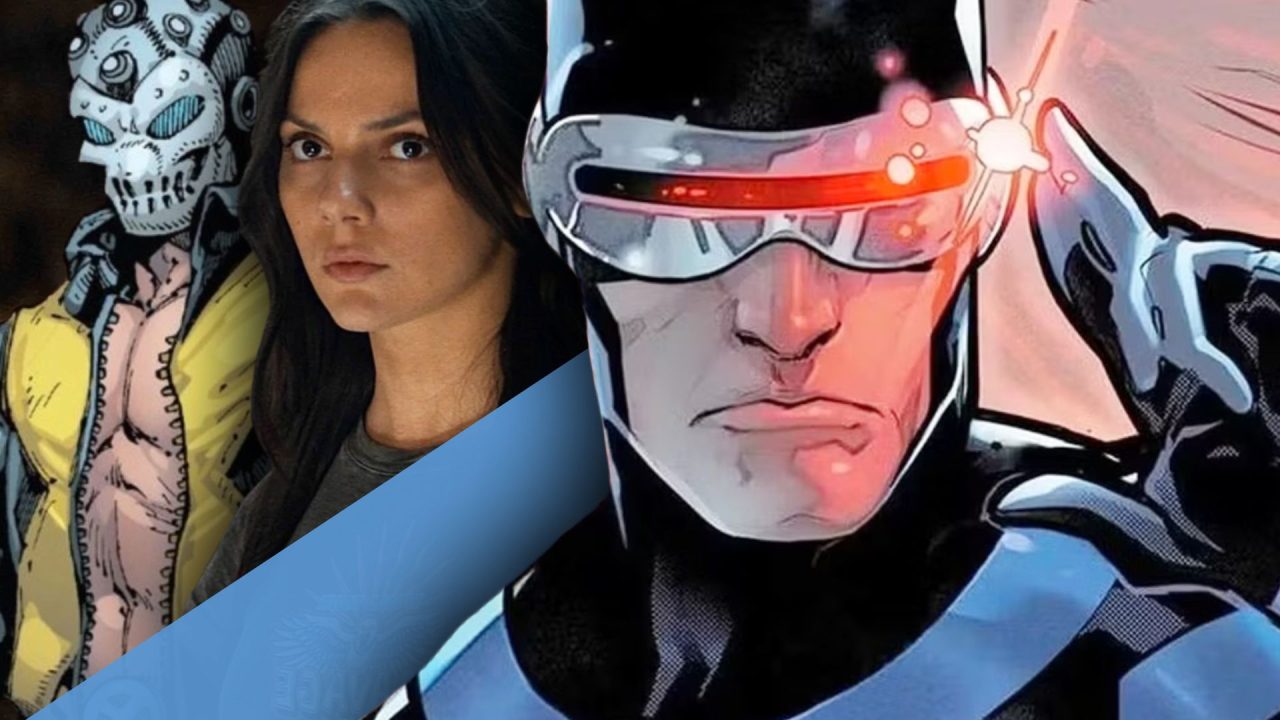
The X-Men franchise has introduced hundreds of mutant characters across more than six decades of Marvel Comics history — but breaking through as a genuinely beloved new hero after the year 2000 is a far harder task than it might seem. The roster was already crowded, the fan base deeply attached to its favorites, and the bar for lasting impact set impossibly high by characters like Wolverine, Storm, and Cyclops.
Yet some newer additions have managed to carve out real, lasting places in the X-Men mythology. The question worth asking is: which introductions since 2000 actually worked, and what made them stick?
Rather than invent a list that was never confirmed, what follows is a grounded look at what we can say with confidence about new X-Men characters and the challenge of making them matter.
Why Introducing New X-Men Heroes Is So Difficult
The X-Men universe is one of Marvel’s most densely populated corners. By the time the 21st century arrived, the franchise already had decades of beloved characters competing for panel time, storyline relevance, and reader loyalty. A new hero doesn’t just need a compelling power set — they need a voice, a reason to exist within the team dynamic, and enough writer support to survive the revolving door of creative teams.
Many new mutants introduced since 2000 have appeared in a single storyline and quietly faded. Others were created specifically for events or crossovers and never developed beyond their initial concept. The ones that genuinely succeeded tended to share a few common traits: a distinctive visual identity, a power that felt fresh rather than redundant, and a personal story that connected emotionally with readers.
Writer investment also plays a significant role. Characters introduced by writers who stayed on a title long enough to develop them over multiple arcs tended to fare far better than those dropped into a book and then handed off to a creative team with no attachment to them.
What Makes a Hero Introduction “Successful” in the X-Men World
Success for a new X-Men character can be measured in several ways, and they don’t always overlap. A character might become critically respected within comics circles without ever achieving mainstream recognition. Another might explode in popularity among casual readers while being largely ignored by longtime fans.
Generally speaking, the markers of a genuinely successful hero introduction in the X-Men franchise tend to include:
- Longevity — the character continues to appear regularly across titles years after their debut
- Solo or co-starring opportunities — being trusted with their own book or a prominent co-lead role
- Fan community engagement — generating consistent discussion, fan art, and reader investment
- Crossover presence — being included in major Marvel events rather than sidelined during them
- Adaptation beyond comics — appearing in animated series, video games, or film and television projects
Not every successful character hits all five of these marks. But the ones widely considered to have had the most impactful introductions since 2000 tend to score highly on at least three of them.
The Broader Landscape of X-Men Since 2000
The post-2000 era of X-Men comics has gone through several distinct phases, each of which shaped how new characters were introduced and received. Grant Morrison’s early 2000s run on New X-Men brought a more experimental, literary approach to the franchise and introduced concepts and characters that have remained influential. The House of M event in 2005, which dramatically reduced the mutant population, effectively closed the door on new mutant introductions for a period and shifted focus back to the existing roster.
The Krakoa era — launched in 2019 with Jonathan Hickman’s House of X and Powers of X — represented the most ambitious reinvention of the X-Men in decades and created space for both new characters and long-neglected ones to find new relevance. That era officially concluded in 2024, with Marvel launching a new publishing direction for the mutant titles.
| Era | Approximate Years | Notable Characteristic |
|---|---|---|
| Morrison’s New X-Men | 2001–2004 | Literary reinvention, new concepts introduced |
| Post-House of M | 2005–2011 | Reduced mutant population, focus on existing cast |
| All-New, All-Different era | 2015–2018 | Diverse new lineup, younger characters elevated |
| Krakoa era | 2019–2024 | Nation-state concept, deep roster expansion |
| Post-Krakoa / Current | 2024–present | New publishing direction, reset of key concepts |
Why This Conversation Matters to X-Men Fans Right Now
With the X-Men’s publishing line currently in transition and the MCU’s long-awaited mutant introduction still unfolding, questions about which characters deserve the spotlight feel more urgent than usual. Decisions being made in Marvel’s comics now tend to influence which characters get adapted, which get merchandised, and which get handed the kinds of storylines that build generational fandom.
For readers who came to the X-Men after 2000, the heroes introduced in that period are often their entry points — the characters they bonded with first and care about most. That emotional investment is real, and debates about which introductions succeeded aren’t just academic. They’re about whose stories get told going forward.
Frequently Asked Questions
What time period does this topic cover?
The focus is on X-Men hero introductions that occurred from the year 2000 onward, covering more than two decades of Marvel Comics publishing.
Does this include characters introduced in X-Men films or only comics?
The original source material appears focused on comic book introductions, though the line between comics and adaptations has blurred significantly in recent years.
Why is it harder to introduce new X-Men heroes than new heroes in other Marvel titles?
The X-Men roster is exceptionally large and fan attachment to existing characters is deep, making it harder for newer additions to find consistent space and reader investment.
What was the Krakoa era and why does it matter for new characters?
The Krakoa era, launched in 2019 by writer Jonathan Hickman, reimagined mutants as a sovereign nation and ran until 2024, creating significant opportunities for both new and previously sidelined characters to gain prominence.
Are the specific rankings from the original Screen Rant list included here?
The specific list entries and rankings from the source article were not available in the loaded material, so this article does not reproduce or speculate on those specific choices.
Where can I read the original ranked list?
The original feature was published by Screen Rant on March 23, 2026, and can be found at screenrant.com.


Leave a Reply